
Seasonal & Skip-Payment Structures
Farm equipment loans and leases with seasonal or skip-payment structures. Match your payments to harvest income, not to a banker's calendar. Corn, wheat.
Grain income lands in the fall. Spring payments go out before any of it comes in. That mismatch is the oldest tension in farm finance, and a seasonal payment structure is how good lenders deal with it honestly rather than pretending a farm runs like a monthly salary business. The payment schedule on your equipment loan or lease can be structured around when you actually get paid, not around what is convenient for a banker who has never waited on a bin to fill.
Seasonal and skip-payment structures are available on farm equipment loans and leases across most of the programs we work with. They take a few different shapes, and the right one depends on your crop mix, your cash flow pattern, and how tight the spring months typically run. We match the structure to the operation, not the other way around.


How Seasonal Payment Structures Work
The most common form is a balloon or step payment schedule. Payments are lower during the months when cash is short (typically January through June for Corn Belt producers) and larger during or immediately after harvest (October through December). The total interest paid over the term is nearly identical to what it would be on a level payment schedule because the lender calculates interest on the outstanding balance, and skipped or reduced payments mean the balance stays higher longer. The trade-off is worth it when spring cash is genuinely tight.
A second structure is the true skip-payment arrangement, where two to four months per year have no payment due at all. These are priced into the loan up front; the lender knows those months are skipped and builds the remaining payments accordingly. It is not a hardship accommodation; it is a planned feature of the note.
A third option is annual payments, where one lump sum comes due once a year, typically timed to grain sales in November or December. This structure works well for producers with large income events and lean months in between. The single annual payment covers the full year's obligation; the months between it have no payment at all. Winter wheat operations in Kansas and Oklahoma, where June harvest is the income event, sometimes structure annual payments around that date instead.
Refinance Programs
Farm Application-Only Financing
Finance farm equipment up to $400,000 with just an application and recent bank activity. No Schedule F package, no CPA statements, no long.
Bad-Credit (B/C) Farm Equipment Financing
Equipment financing for farmers with challenged credit. We work with B and C credit situations, low scores, prior bankruptcies, and short.
Equipment Leasing
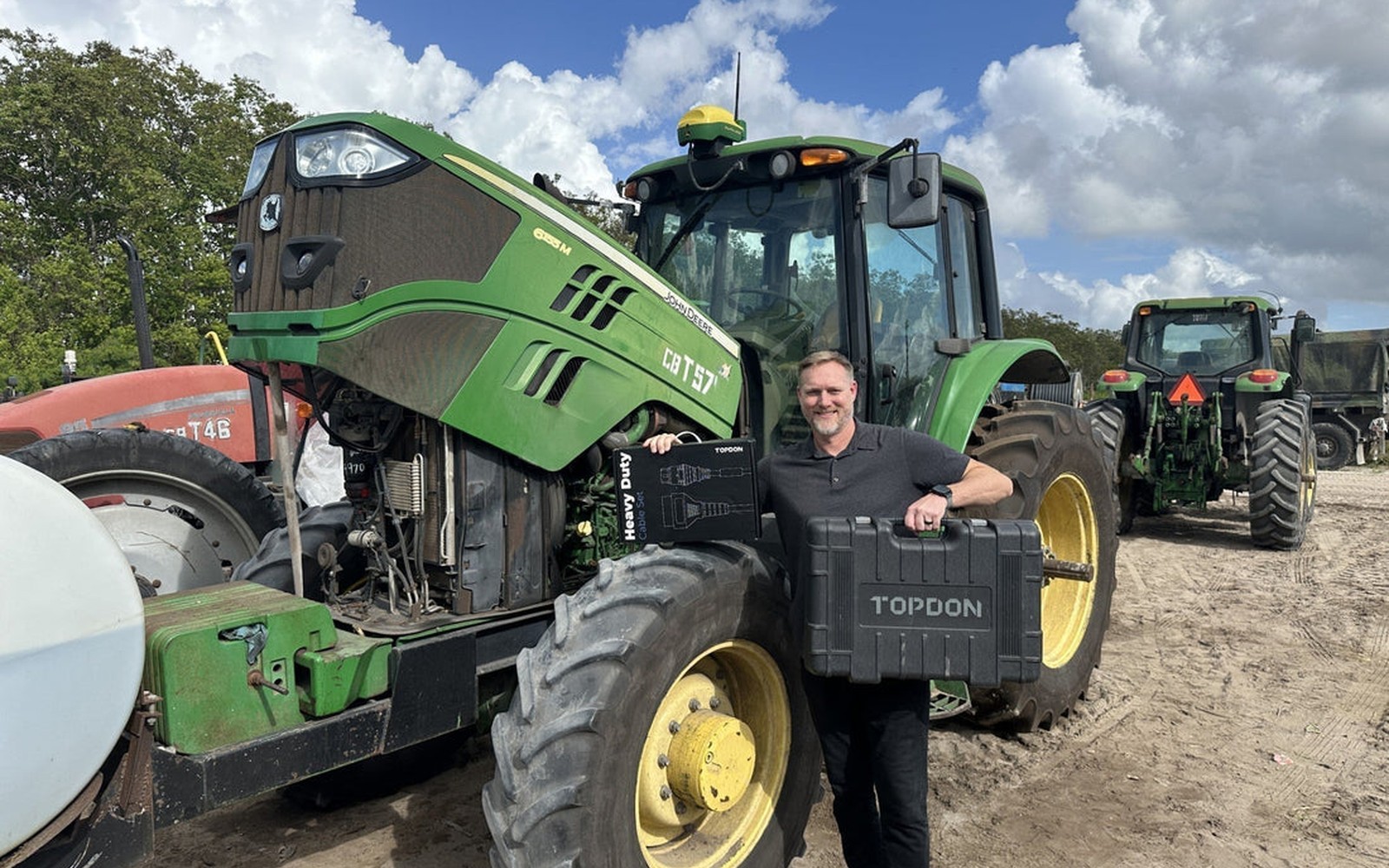
Farm equipment leasing keeps payments lower and lets you upgrade at end of term. We work with tractors, combines, sprayers, and more.
Operations That Benefit Most
Corn and soybean operations in the Midwest are the primary users of seasonal structures because their income profile is so concentrated. A producer selling grain from October through January and spending on inputs from March through June has a six-month cash-thin stretch that a level monthly payment assumes away. A seasonal structure acknowledges that reality.
Cotton farms in the Southern Plains and Delta region have a similar pattern, with gin settlements arriving in winter and input purchases starting in late winter for spring planting. Financing structured to hold through the thin months and collect after settlement date fits the business without stress.
Custom harvest crews bill during the working season, which typically runs from early summer through fall, and have minimal income during winter. A skip-payment structure that defers the January through April months captures the reality of how their billings run.
Producers who grow hay and forage crops for sale may have more consistent income through the growing season but very limited cash flow in winter. A skip on the December through February payments can make the difference between a comfortable winter and a drawn-down operating line.
Farm Refinance Questions
Modifying an existing note to add skip payments requires lender consent and is typically done through a refinance rather than a modification. A refinance into a new loan with seasonal payments built in from the start is the more common path.
Most seasonal structures allow two to four skip months per year. The exact months are agreed at signing and are fixed for the life of the loan. Skipping additional months outside the agreed schedule is not automatic and would require lender accommodation.
Yes. The agreed skip months have no payment due, so nothing to miss. But payments due in the non-skip months are real obligations. A missed payment during an active month is reported normally and affects credit the same way any late payment would.
Yes. The payment structure is a loan feature, not an equipment feature. A seasonal payment plan is available on both new and used equipment loans as long as the lender offers it, which most of our agricultural lenders do.
Generally yes, though modestly. Skipping months means the balance stays higher longer, and interest accrues on that balance. The difference on a typical equipment loan is meaningful but not dramatic. We can show you the side-by-side on your specific deal if you want the exact number.
Ready to refinance this equipment?
Send the equipment list, payoff details, estimated values, and timing for a direct refinance review.
Refinance
Brands & Models
Copyright © 2026 Farm Equipment Refinance. All Rights Reserved.