Wheat & Small-Grain Farms
Wheat and small-grain producers need combines, grain drills, and sprayers ready before the calendar turns. We refinance and finance farm equipment with payment.
Harvest comes once a year and the combine has to be ready for it. Wheat and small-grain producers in Kansas, Oklahoma, North Dakota, Montana, and the Pacific Northwest run on a tight calendar, and the equipment that moves the crop has to show up right. A combine with a hydraulic issue at the start of a Kansas wheat harvest can cost a week of cutting weather and a crop that goes through a rain. The financing behind that combine should be the last thing adding stress to that morning.
We work with wheat and small-grain producers from the Southern Plains to the Northern Plains to the inland Pacific Northwest. The typical transaction is a combine, a grain drill, a sprayer, or a tractor, and the ticket usually runs from $80,000 to $400,000 for major iron. New equipment from the dealer lot or a good used machine from another producer, both qualify.
Winter wheat cash flow is different from corn-belt cash flow. The check comes in June or July. The operating costs come in the fall and winter. Payment structures that account for that gap are available and worth asking about before you sign any note.
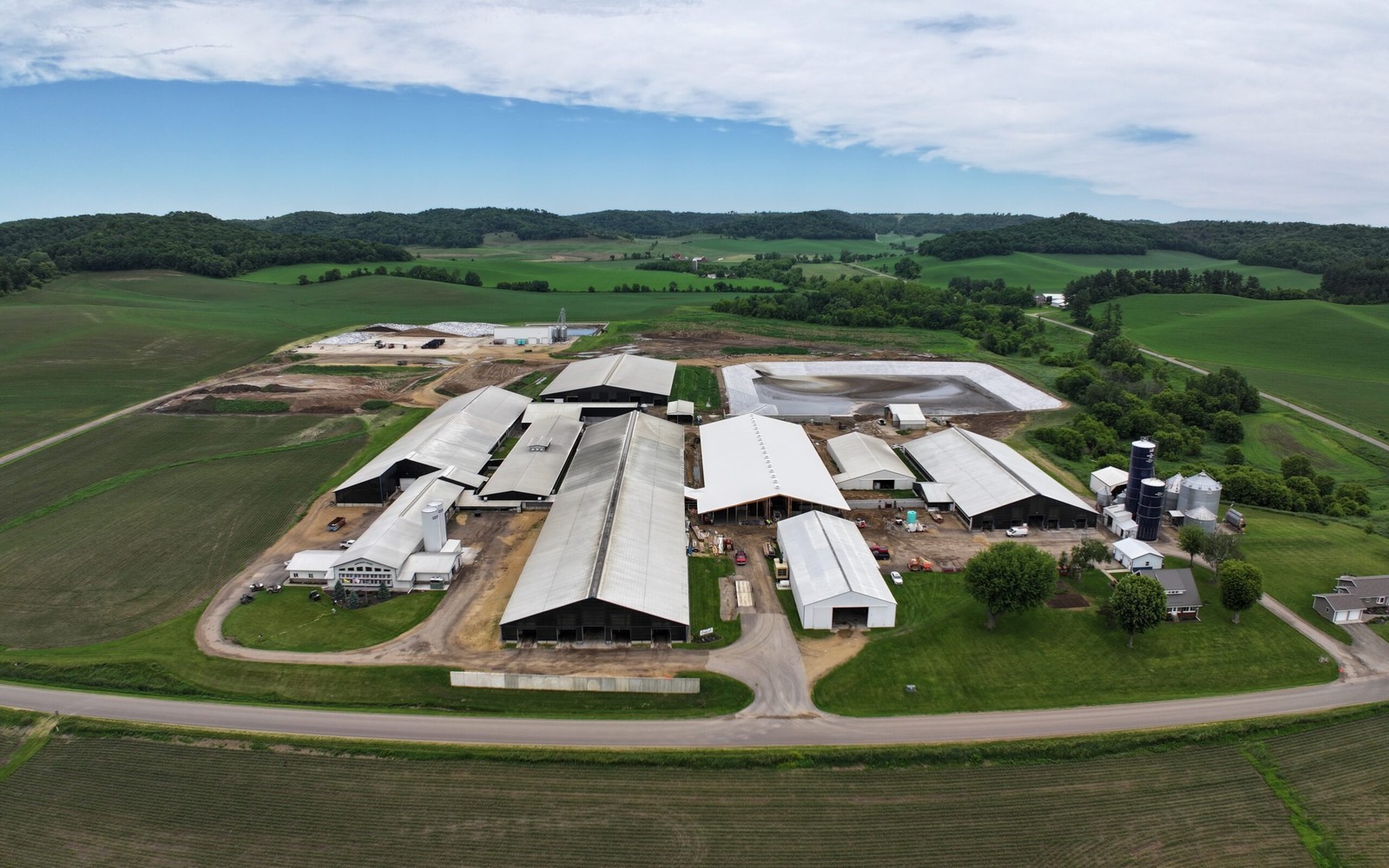
Equipment That Wheat and Small-Grain Farms Run
Wheat and small-grain operations have a somewhat different equipment list than corn-belt farms, and the financing decisions follow from that difference.
Combines. The combine is the center of the harvest and it usually carries the most value in the fleet. Small-grain work requires the right concave and rotor settings, and many producers specify their combines for wheat as the primary crop. Grain combines with the right header configuration are the biggest ticket item in most wheat operations.
Headers and platforms. Wheat and small-grain harvest typically uses a straight-cut or draper header rather than a corn head. Draper headers in 35-foot to 45-foot cuts are common in the Plains and have become standard on larger wheat operations for their ability to handle down crop and run at higher ground speeds without feeding issues.
Grain drills. Grain drills are the seeding tool for winter and spring wheat, barley, oats, and other small grains. A modern air drill or double-disk drill with good depth control and seed metering accuracy matters for stand establishment. These range from smaller setups on lighter acreage to wide-swath air seeders on large Plains operations.
Sprayers. Herbicide and fungicide applications are part of modern wheat production, particularly for fusarium head blight management and ryegrass control. Self-propelled sprayers and pull-behind sprayers both qualify for financing.
Tractors. High-horsepower tractors and 4WD articulated tractors handle the tillage and planting side of a wheat operation. On large dryland acres in the Plains, 4WD machines pulling wide drills or chisel plows are the norm.
Farm Operations
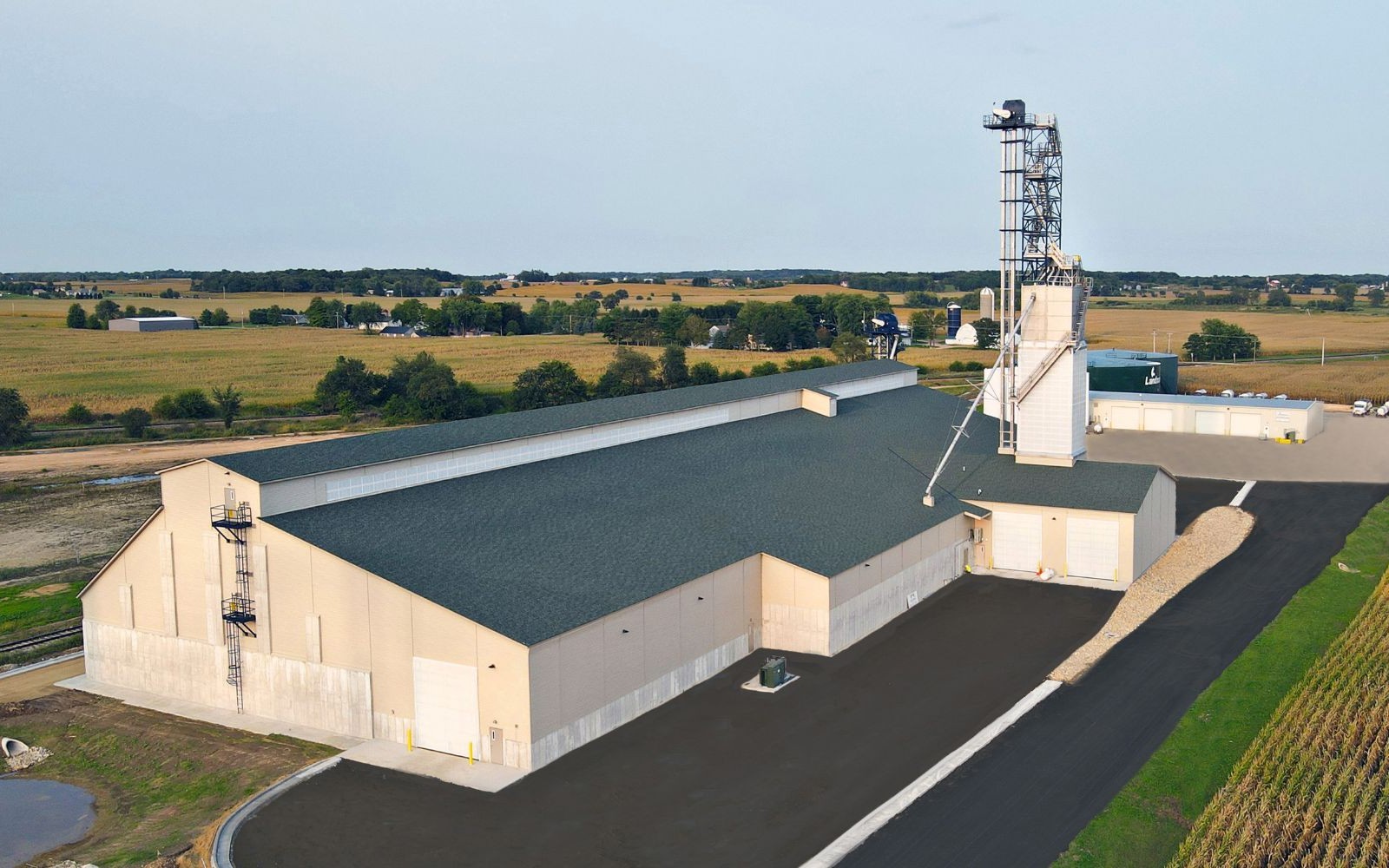
Agribusiness & Co-Ops
Agribusinesses and agricultural co-ops run equipment that serves both their own operations and their member producers. We finance and.
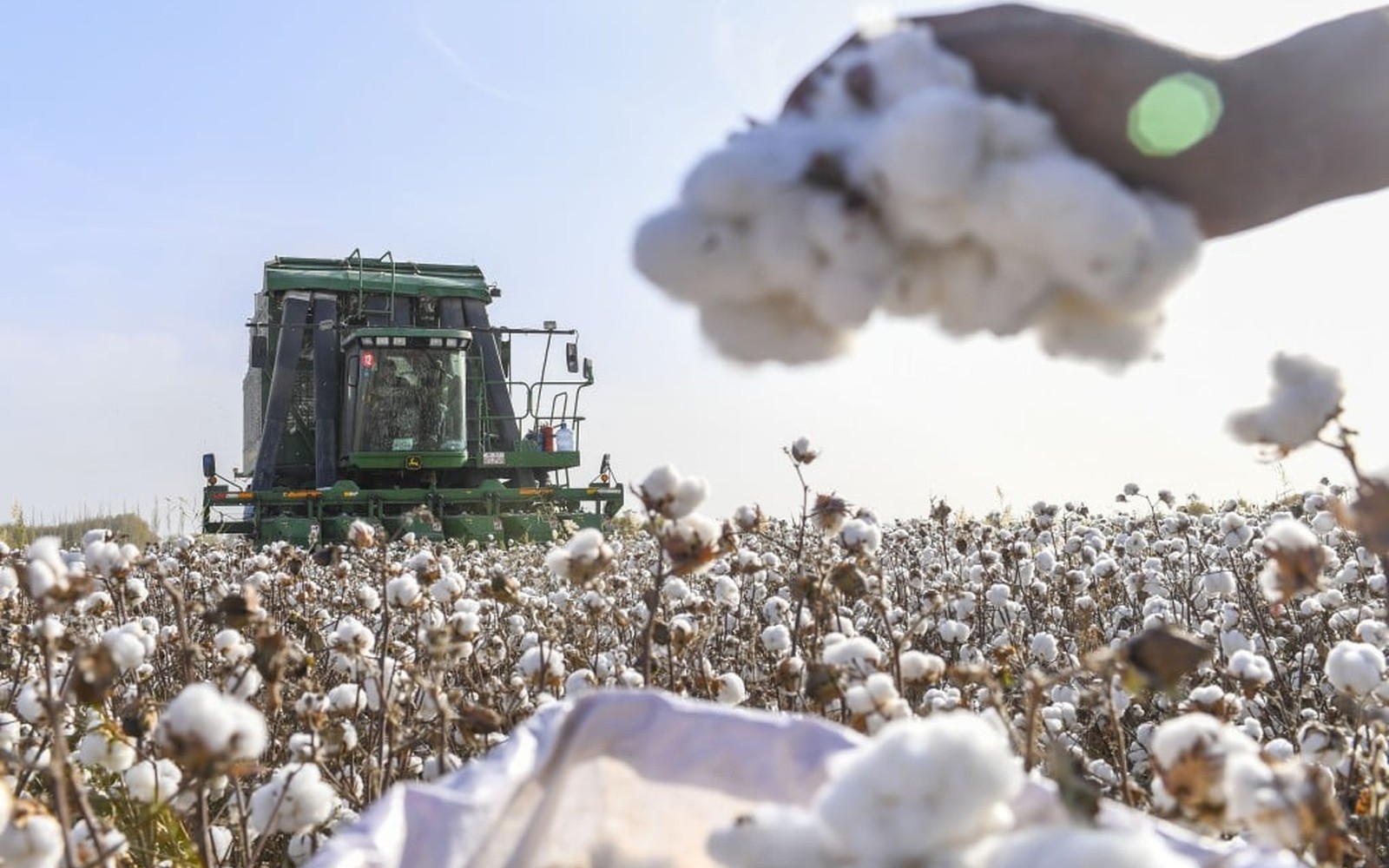
Cotton Farms
Cotton producers carry some of the highest per-acre equipment costs in American agriculture. We finance and refinance pickers, strippers.
Farm Equipment Dealers
Farm equipment dealers can offer customers alternative financing paths through us when manufacturer finance doesn't fit. We work with.
How the Financing Process Works
Getting financed for farm equipment doesn't have to be a long process. For most transactions in the range that wheat and small-grain producers typically work with, the application is the starting point. Deals up to roughly $400,000 can sometimes be approved on the application alone, without tax returns.
Larger transactions, or situations where credit history has some wrinkles, usually need three months of bank statements and possibly more supporting documentation. Even then, the process moves faster than a traditional bank relationship usually does.
Funding from a completed application typically happens in one to two weeks. If the combine needs to be at a dealer by a certain date to be prepped before harvest, let us know the deadline and we'll work to meet it.
Seasonal payment structures are worth building in from the start. Wheat producers often want lighter payments from July through the fall planting period and larger payments timed to harvest settlement. That can be arranged, and it changes the monthly cash flow picture significantly during the operating months.
For producers who have had credit challenges, B and C credit is considered. The asset matters as much as the score. A solid machine with clear title and a producer who knows how to run it is a workable situation even when the credit file isn't clean.
Farm Refinance Questions
They can be financed together as a package or separately depending on what makes sense for the transaction. Bundling them into one deal is often simpler and can reduce paperwork.
Variable income is expected in dryland farming and we account for it. We look at the average cash flow picture, the asset value, and the overall financial health of the operation rather than requiring consistent income in every year.
The minimum deal size is $50,000. A used drill in good condition at that value or above will qualify for consideration.
Yes. As long as there's equity in the machine above the payoff balance, a refinance can make sense. We'll compare the current note against what new terms would look like and give you an honest picture of whether it's worth doing.
We work with wheat and small-grain producers across the country, including Montana, Idaho, Washington, and Oregon in addition to the traditional Plains states.
Ready to refinance this equipment?
Send the equipment list, payoff details, estimated values, and timing for a direct refinance review.
Refinance
Brands & Models
Copyright © 2026 Farm Equipment Refinance. All Rights Reserved.