
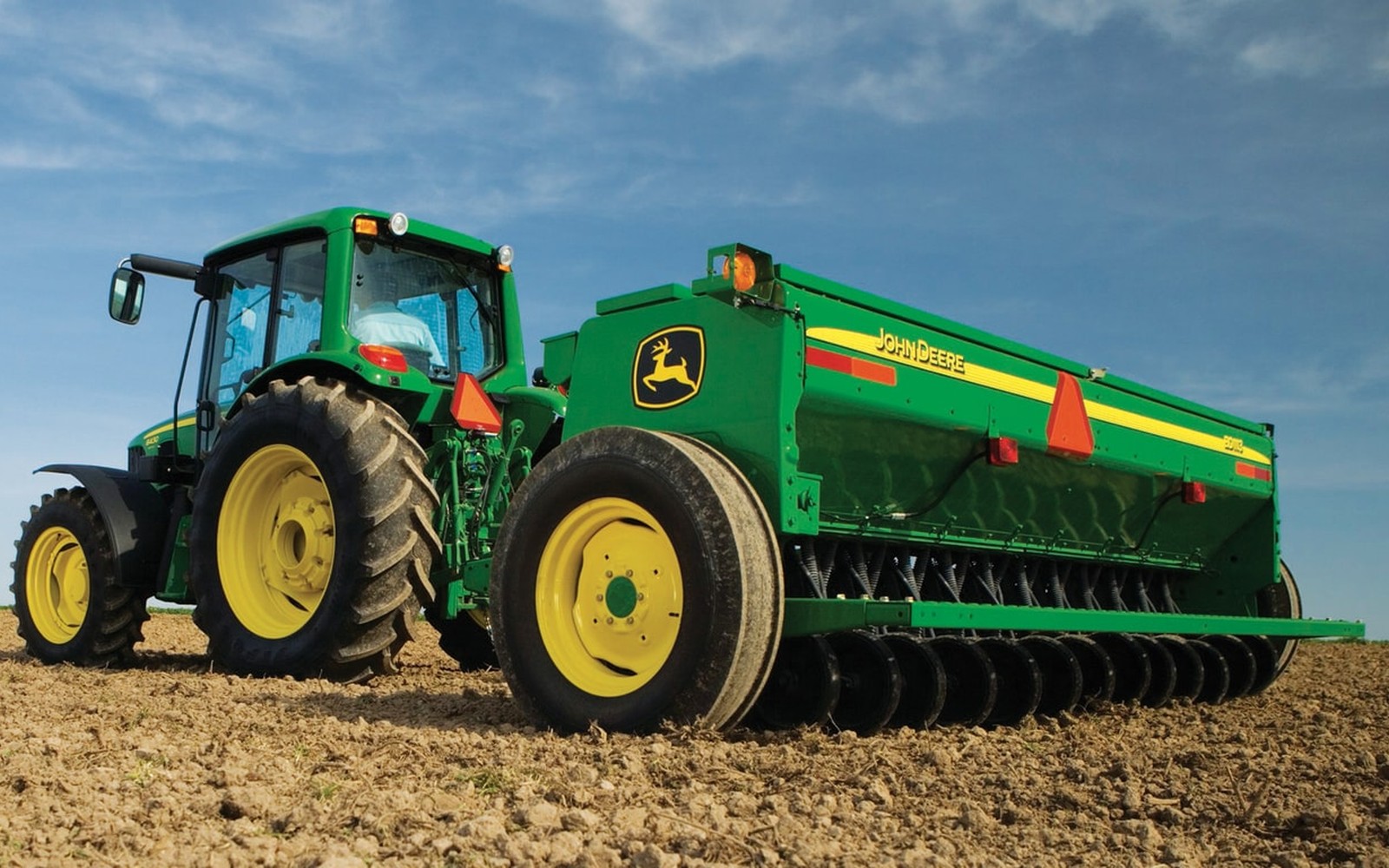
Grain Drill Financing
Finance grain drills for wheat, small grains, and pasture seeding operations. $50k minimum, streamlined file review to about $400k, seasonal payments available.
Wheat country runs on grain drills. Whether you're putting winter wheat into stubble in the fall or seeding a mix of small grains in the spring, the drill determines how the seed goes in and how the stand comes up. A well-designed grain drill places seed at consistent depth across the whole width, handles different seed sizes and rates, and keeps moving without plugging or skipping. We finance grain drills for small-grain, pasture, and diversified grain operations, with minimum deals starting at $50,000 and terms that fit the seasonal income pattern of farms that sell grain in spring and fall rather than on a steady monthly basis.
Grain drills have grown more sophisticated in recent years. Air-seeder style drills with large central hoppers and pneumatic delivery have largely replaced small-box designs on larger operations, while traditional box drills remain common on smaller farms and specialty seeding setups. Both types are financeable, and the price points vary accordingly. Hitch-mounted box drills can run from $50,000 to over $100,000 new, while large-frame air drills can approach $200,000 or more with a full-spec toolbar. For even larger seeding systems, our page on seeders and air seeders covers those bigger platforms.
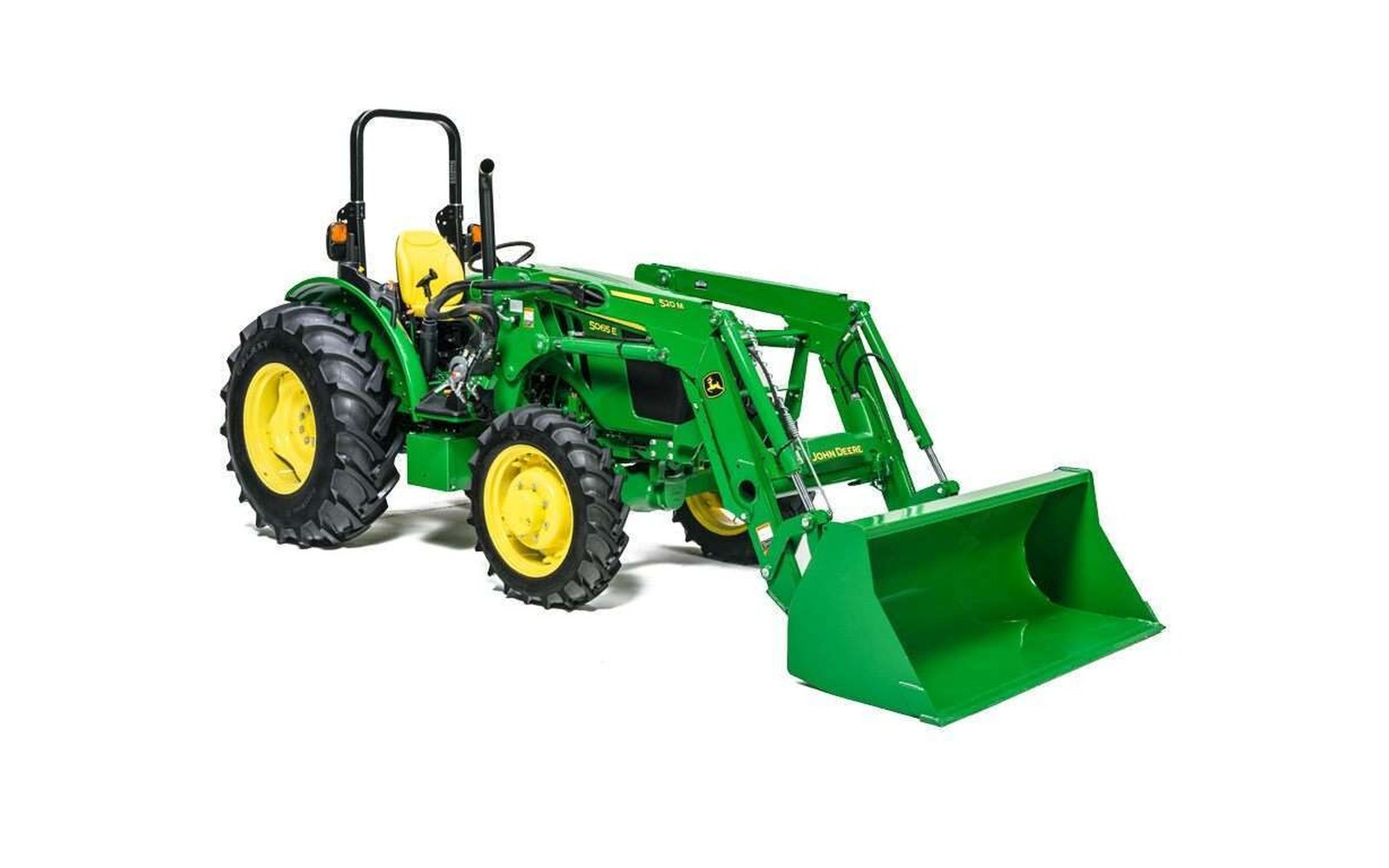
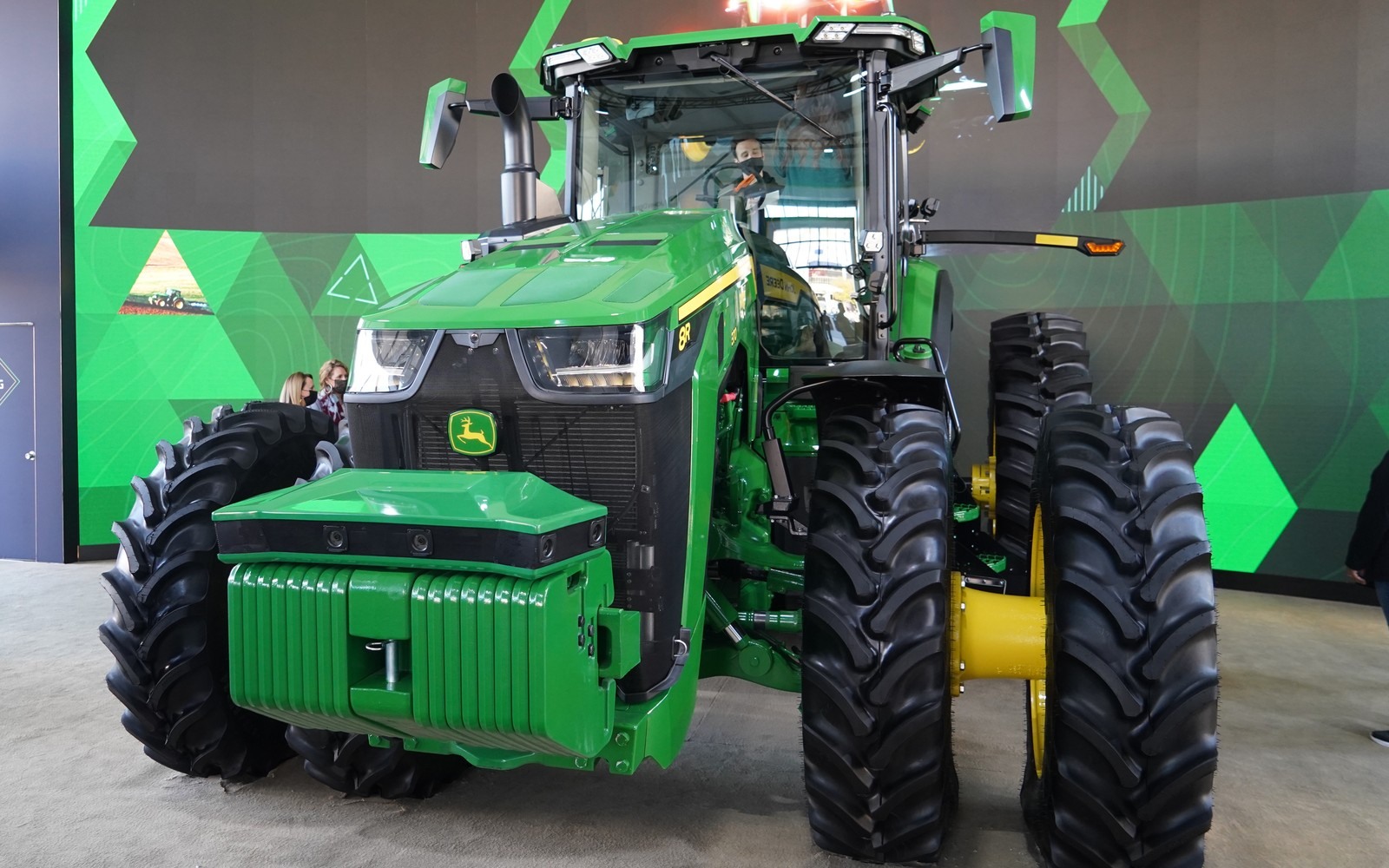
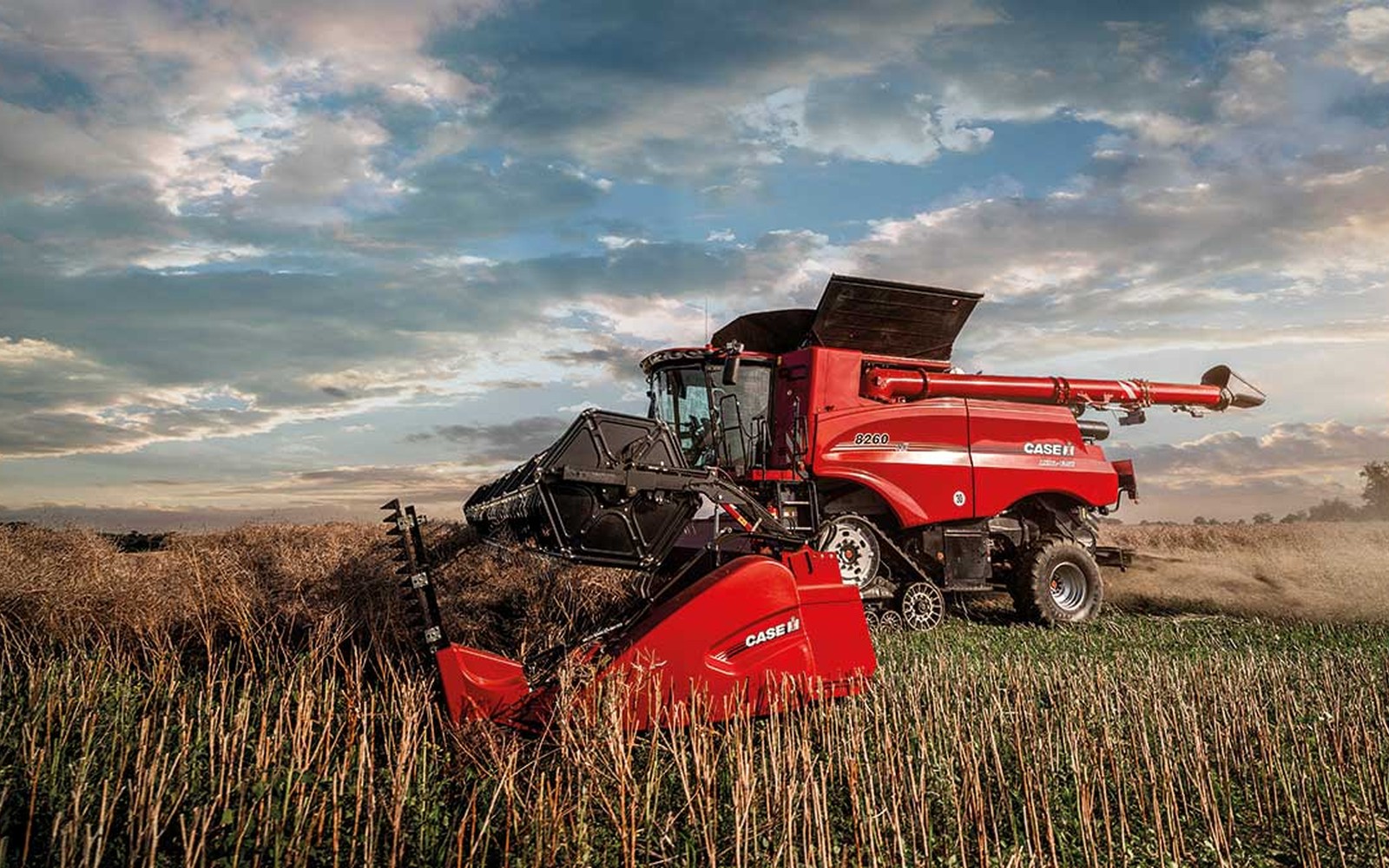

Grain Drill Users
Winter wheat and small grain producers are the most active grain drill buyers. Operations in Kansas, Oklahoma, the Texas Panhandle, and the northern Plains seed hundreds or thousands of acres of wheat each fall, and the drill is the machine that makes or breaks the stand. Farmers near Dodge City, KS and Enid, OK are in the heart of winter wheat country and are among our regular small-grain equipment financing clients.
Pasture seeding and cover crop operations have also grown as a market for grain drills. A drill that can handle multiple seed types, native grasses, clovers, and cover crop mixes without damaging the seed or plugging the row units is valuable for operations that emphasize soil health or forage base improvement. Some of these uses aren't primary income-producing activities, but the machine still qualifies for equipment financing as a capital asset on an agricultural operation.
Wheat and small-grain farms are the core market, but farmers raising cover crops alongside corn and soybeans also make up a segment. Those row-crop farms use the drill for a different purpose, but the machine is still a capital purchase that benefits from structured financing rather than an out-of-pocket drain on the operating account.
Farm Equipment
Forage Harvester Financing & Refinancing
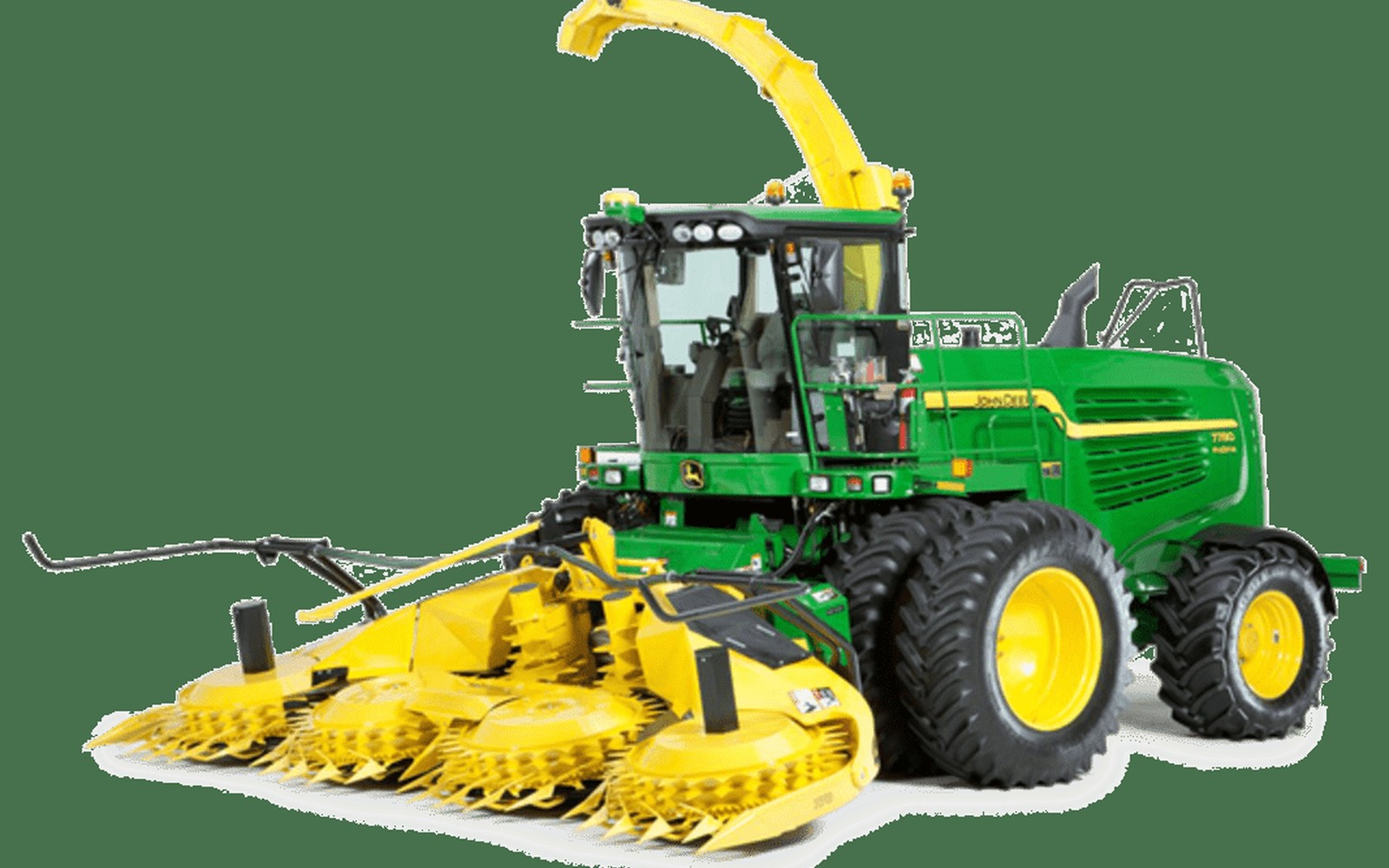
Finance or refinance forage harvesters and choppers for dairy and beef operations. Seasonal payment options, fast approvals, B/C credit.
Tillage Equipment Financing & Refinancing
Finance or refinance tillage equipment including chisel plows, vertical tillage, strip-till, and subsoilers. Seasonal payments, fast.
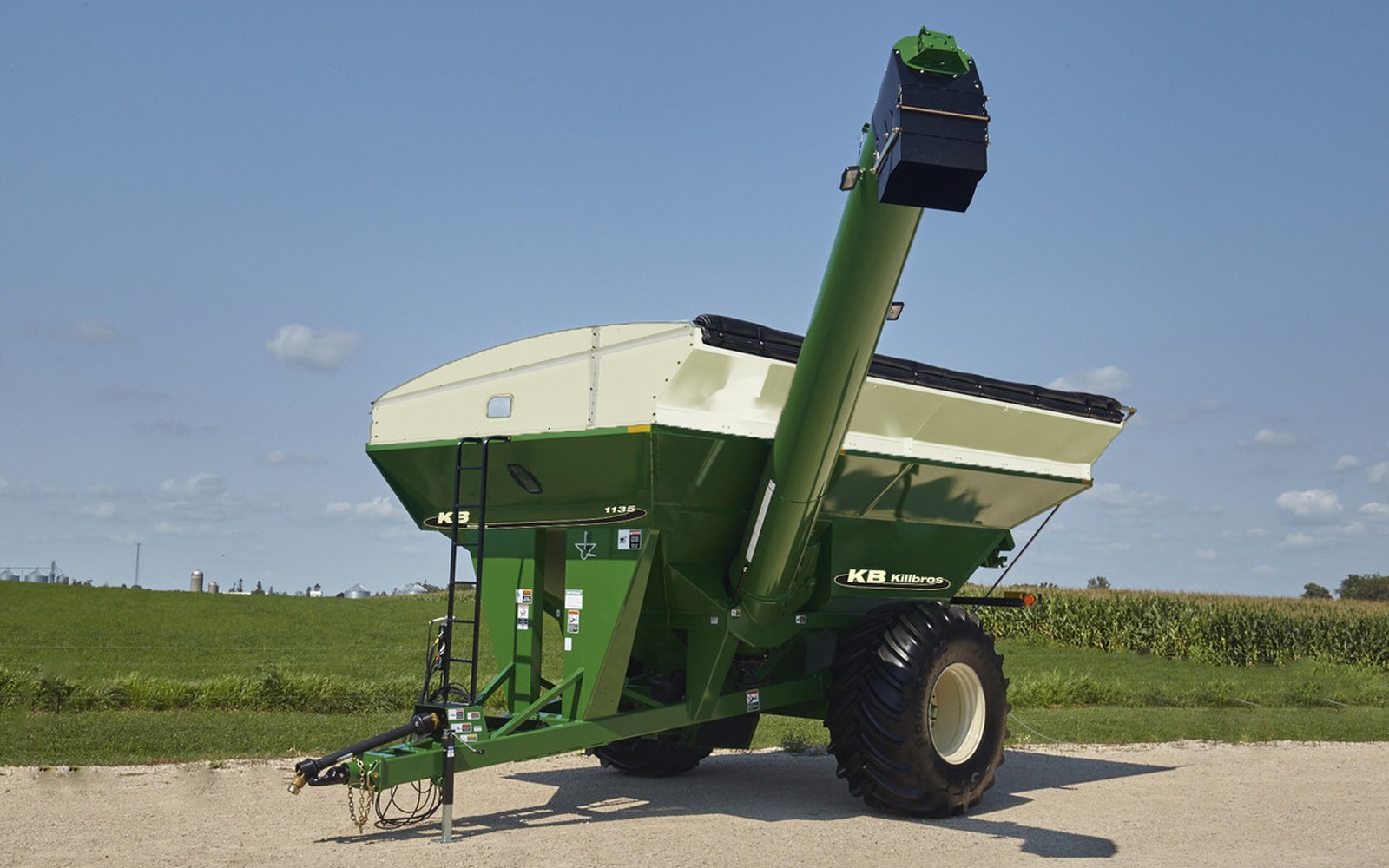
Grain Cart Financing
Finance or refinance a grain cart to keep harvest moving without bottlenecks. Streamlined file review to about $400k, seasonal payment.
Getting a Grain Drill Financed
The process starts with your application and three months of bank statements. Most grain drills fall under our $400,000 application-only threshold, which means we generally don't need tax returns or a full balance sheet for a standard deal. The lighter documentation requirement speeds up approval and gets you to funding faster.
Decisions typically come back within one to two business days on complete applications. Funding is paced to the completed file. For fall wheat seeding, that timeline means you can begin the process in August or September and have the equipment and the deal in place before the seeding window opens. Spring seeding operations have a similar timeline if you're planning ahead.
Farmers with seasonal income patterns, large cash inflows at winter wheat harvest in June or at fall grain harvest, can structure seasonal payment schedules so the major installments align with those income events. A payment structure that's light in the lean months and heavier after grain sales makes the math work better than a flat monthly that ignores when the money actually arrives.
Farm Refinance Questions
Yes. Cover crop and pasture seeding equipment on an agricultural operation qualifies as a capital purchase. The machine doesn't need to be the primary income generator to be eligible for equipment financing.
Equipment financing is for the productive use of the machine, not for short-term resale. If you're running the drill on your operation, that's a normal financing scenario. If your primary intent is to flip it, that's a different kind of transaction.
Yes. Seasonal payment structures can be set up to carry light or deferred installments through the winter and spring, with the larger payments falling after your wheat harvest income arrives. That structure has to be established at origination.
Yes. Great Plains is a well-supported brand in the small-grain market with active secondary market demand. See our specific page on Great Plains financing for brand detail. We finance equipment on the basis of value and condition across all major brands.
Multiple implements acquired at the same time can often be combined in a single transaction. It depends on the total value and the nature of the equipment, but bundling is something we work through when it makes sense for the buyer.
Ready to refinance this equipment?
Send the equipment list, payoff details, estimated values, and timing for a direct refinance review.
Refinance
Brands & Models
Copyright © 2026 Farm Equipment Refinance. All Rights Reserved.