
Baler Financing & Refinancing
Finance round balers and large square balers for hay, forage, and straw operations. Streamlined file review to about $400k, seasonal payments, fast funding.
Hay days stack up fast in a good cutting season, and a baler that slows you down or breaks down during them costs more per day than most operations want to think about. A baler earns its keep in a narrow window of summer and fall days when the sun and the wind cooperate long enough to get the hay dry and into a package. We finance round balers and large square balers for operations across the livestock, dairy, and hay production spectrum, with terms that reflect how a hay operation's income actually flows through the year.
Round balers are the most common baling setup on smaller farms and livestock operations. A new fixed-chamber or variable-chamber round baler with net wrap runs $50,000 to $90,000 from brands like John Deere, New Holland, Vermeer, Massey Ferguson, and CLAAS. Large square balers are the tool for commercial hay producers and custom balers who need to move high volumes efficiently: new units run $120,000 to over $200,000. We finance both types. Our page on the Vermeer 604 baler refinancing covers that specific model, and the broader hay and forage equipment page puts balers in the context of the complete hay system.

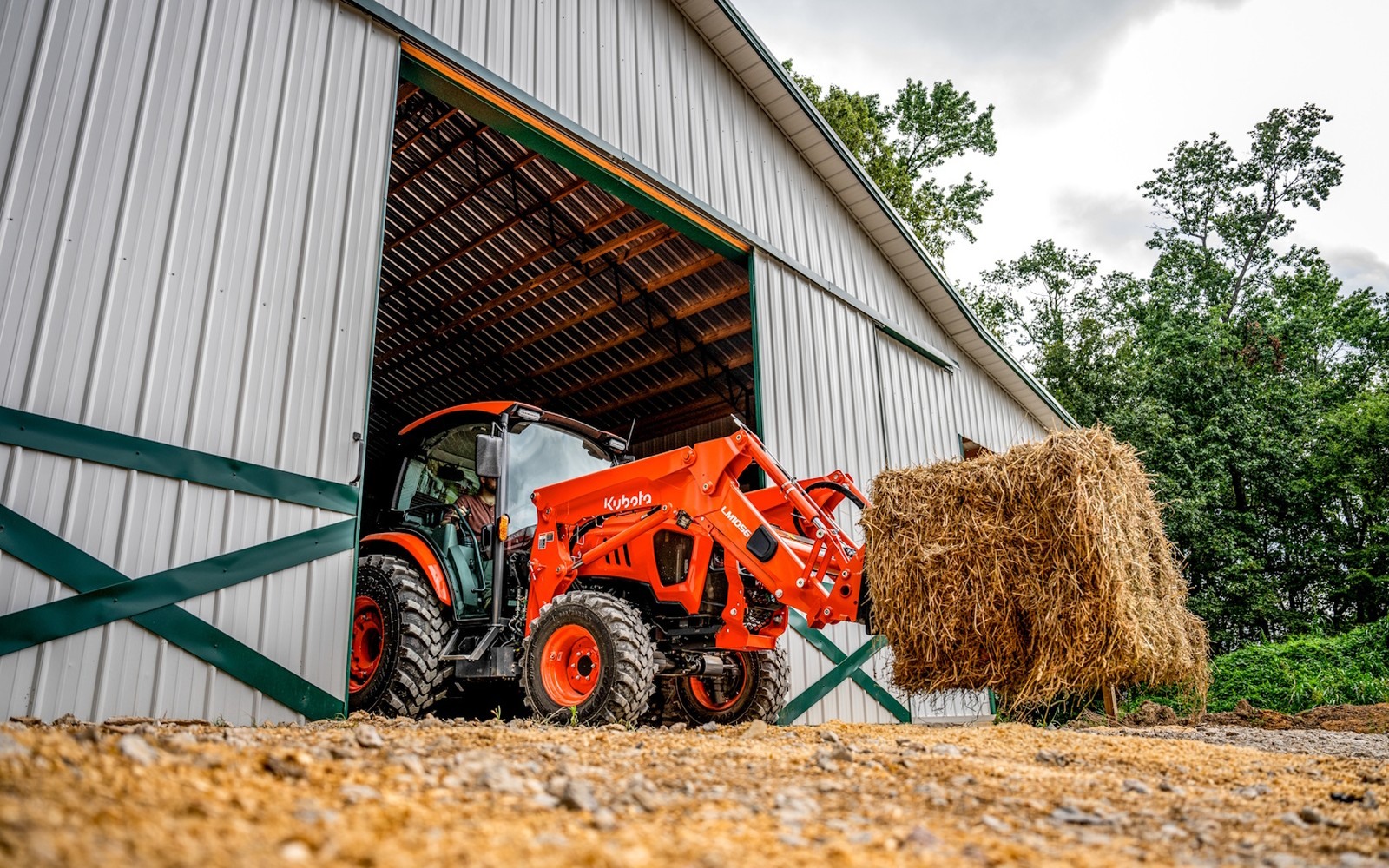
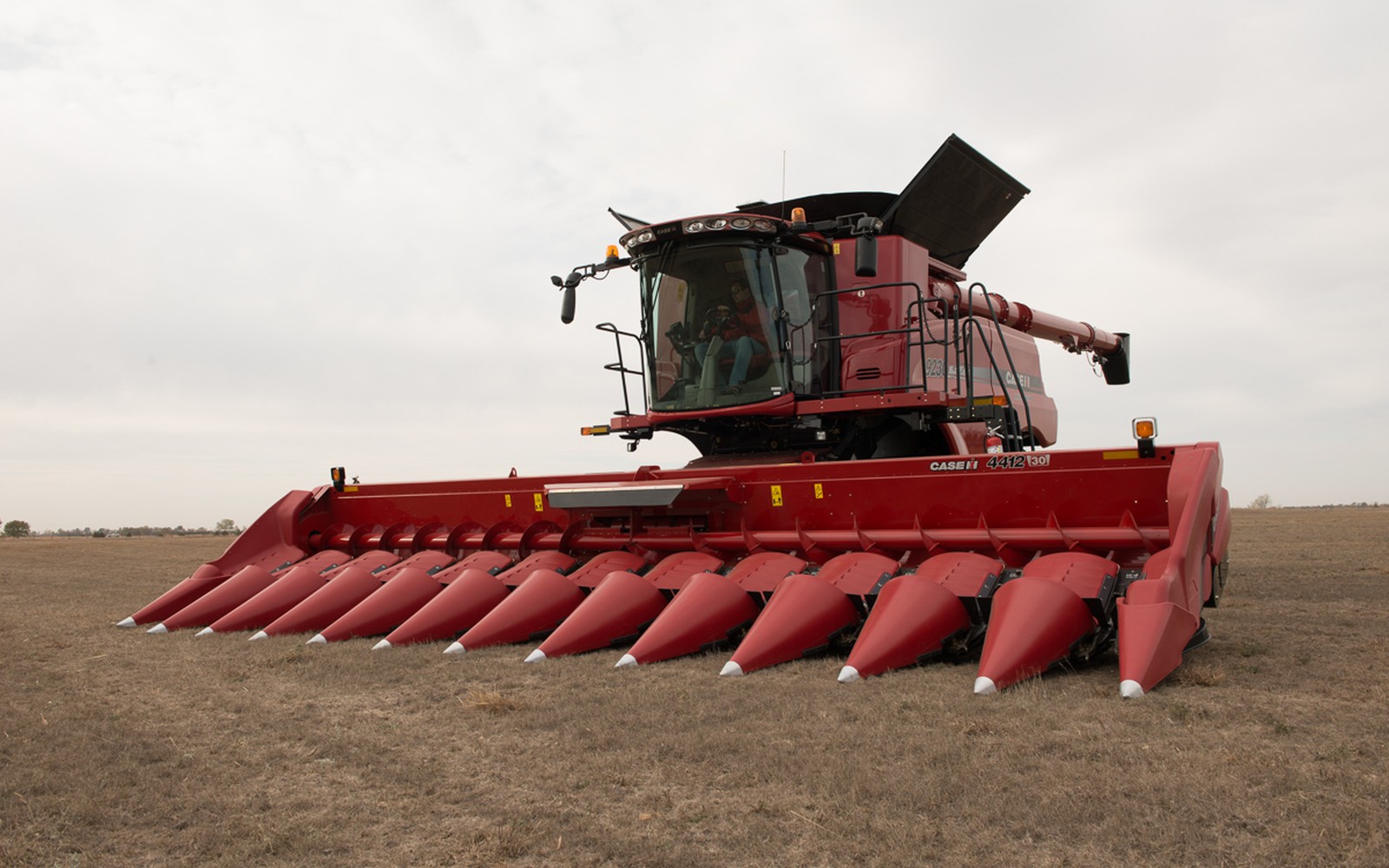
Round Balers and Large Square Balers as Collateral
Round balers are simpler machines with a broad secondary market because round bale compatibility is common on livestock and hay operations of all sizes. A well-maintained round baler with reasonable bale count holds residual value through its useful life. Main wear items are the belts or chains in the baling chamber, the pickup tines, and the net or twine feeding mechanism. Condition of those components determines how much life the machine has left, which tells us how long a loan term makes sense.
Large square balers carry more complexity and more value. They run at higher output rates, produce a bale format preferred for commercial hay trade, and command price tags that justify longer-term financing. Main wear considerations include the plunger and connecting rod mechanism, the tying system, and the knotters. Bale count is the standard wear metric, and a machine with a documented bale count and solid service history is the most financeable used square baler in any market.
For brand-specific detail, our pages on Vermeer financing and Krone financing cover two of the more active brands in the baler market. The New Holland financing page and the New Holland Roll-Belt baler refinancing page cover that platform specifically.
Farm Equipment
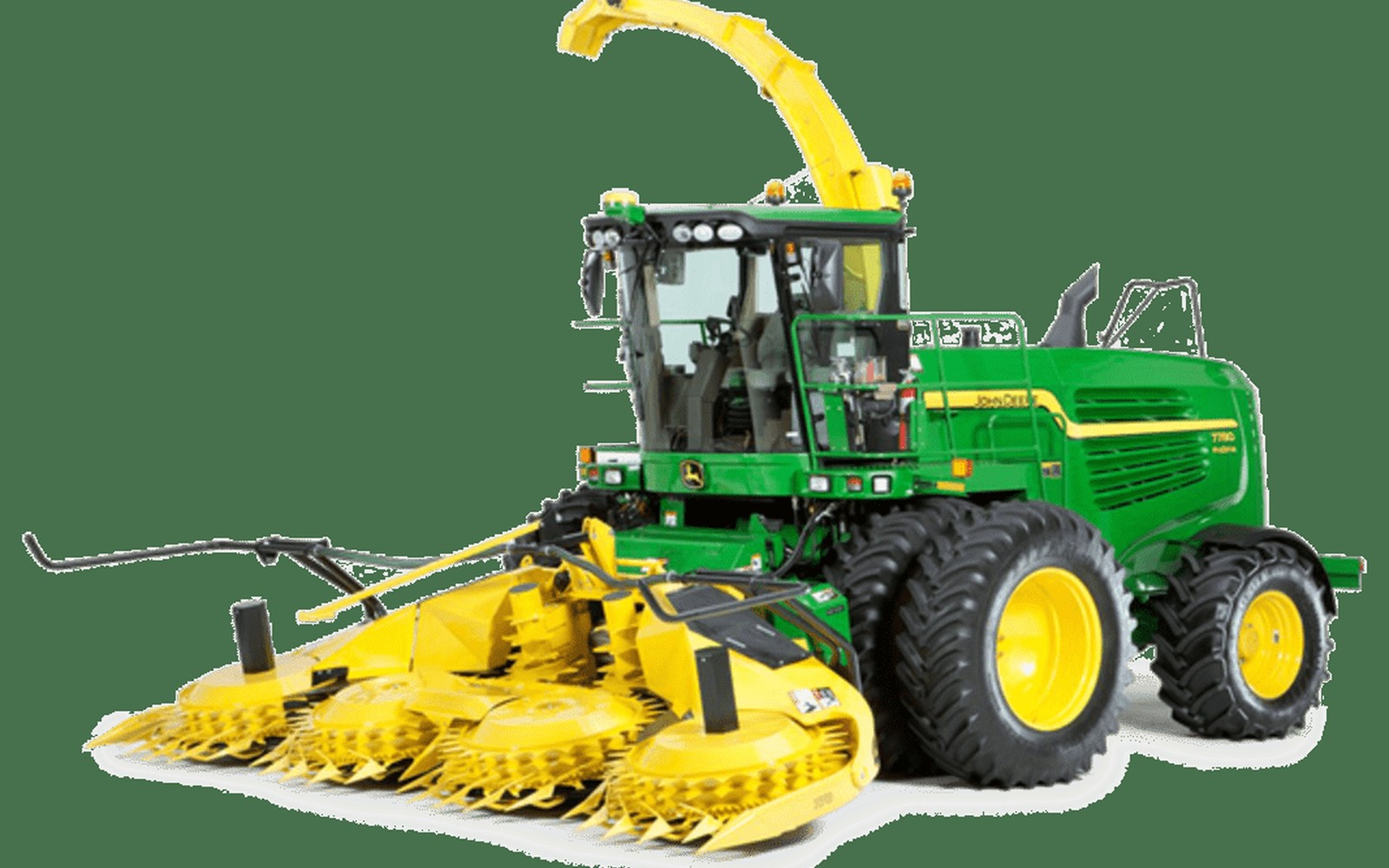
Forage Harvester Financing & Refinancing
Finance or refinance forage harvesters and choppers for dairy and beef operations. Seasonal payment options, fast approvals, B/C credit.
Tillage Equipment Financing & Refinancing
Finance or refinance tillage equipment including chisel plows, vertical tillage, strip-till, and subsoilers. Seasonal payments, fast.
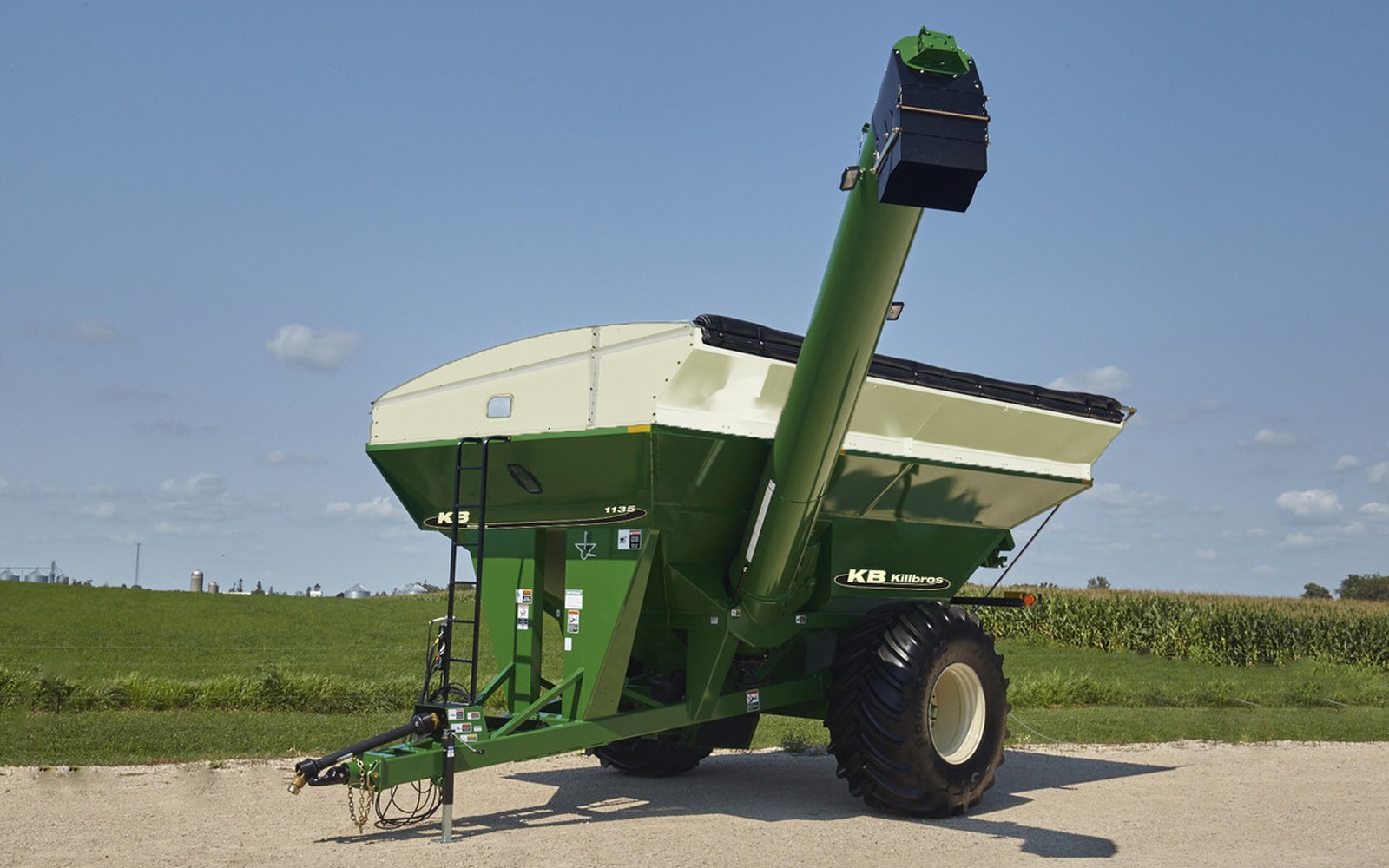
Grain Cart Financing
Finance or refinance a grain cart to keep harvest moving without bottlenecks. Streamlined file review to about $400k, seasonal payment.
Who Uses Balers
Livestock operations that raise their own hay use round balers most commonly. Cattle ranches and cow-calf operations run round bales because they're easy to move, handle, and unroll for winter feeding. Cattle ranches and feedlots and hay and forage operations are two of the segments we work with most often in this equipment category.
Commercial hay producers who sell hay to livestock operations, feed stores, and retail customers use large square balers when they want to sell palletizable, stackable, standardized bales at premium prices. The large square format commands better per-ton prices in the commercial hay market because it handles more efficiently in transport and in feeding systems. Custom balers who provide baling services for multiple farms in their area also tend toward large square equipment for the output rate advantage.
Dairy farms, particularly in the Midwest and upper Midwest, may use a mix of round balers for on-farm hay and wraparound baleage, and large square balers for purchased hay. Operations near Rochester, MN and through the dairy belt in Wisconsin and Minnesota are active buyers of balers across both segments.
Farm Refinance Questions
If the baler is in good condition and has meaningful remaining market value, a cash-out refinance is possible. The machine needs to support a loan above our $50,000 minimum. Newer models with low bale counts typically have the most equity to work with.
80,000 bales is substantial wear on a large square baler. The answer depends heavily on the brand, the service history, and the machine's current asking price relative to its realistic remaining value. We'd want to look at the specifics before giving a firm answer.
If you're purchasing the baler and a baleage wrapper together, we can look at combining them in a single transaction. The total deal value needs to meet our minimum, and both pieces need to be agricultural capital equipment.
Bank statements from the business account will capture all the income regardless of which farms it comes from. If you're providing custom baling services as well as farming your own ground, all of that shows up in the cash flow picture.
Terms for large square balers typically run 36 to 72 months depending on the machine's age and bale count. Newer machines with documented low bale counts qualify for the longer end. High bale count machines work better on shorter terms to stay within the depreciated value.
Ready to refinance this equipment?
Send the equipment list, payoff details, estimated values, and timing for a direct refinance review.
Refinance
Brands & Models
Copyright © 2026 Farm Equipment Refinance. All Rights Reserved.