Cattle Ranches & Feedlots
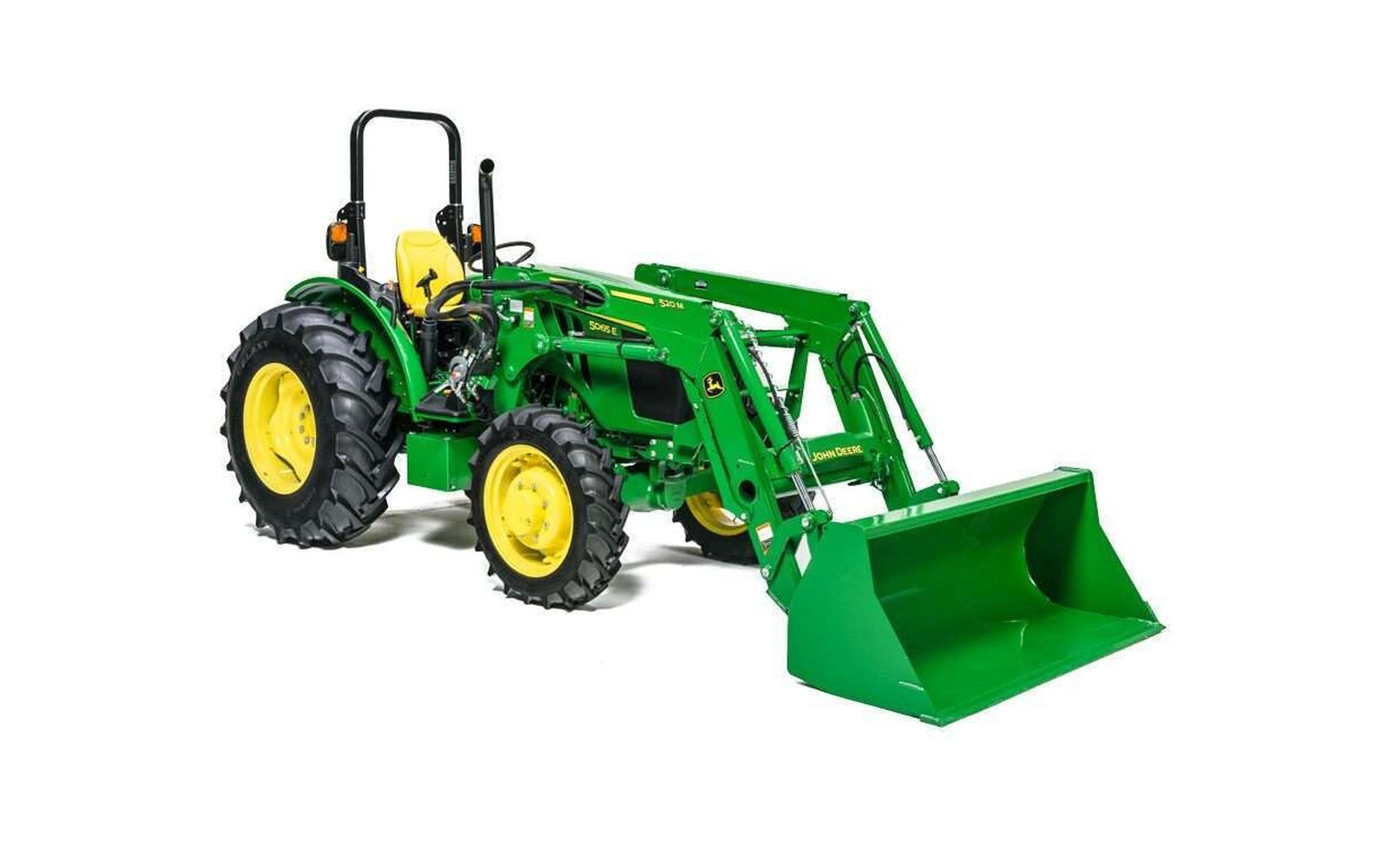
Ranches and feedlots run on tractors, feed mixers, loaders, and haybines. We finance and refinance cattle operation equipment with flexible terms and seasonal.
Cattle don't take a day off, and neither does the equipment that feeds and manages them. Ranches and feedlots run year-round, which makes the equipment demand different from a crop operation that has off-season lulls. Feed mixers push through 365 days a year. Loaders move feed every morning. Hay equipment runs hard through the summer so there's something to feed through the winter. The cash flow in a cattle operation can be lumpy too, tied to market timing on yearlings or fed cattle and to the seasonal costs of wintering a cow-calf herd.
We work with cow-calf ranches, stocker operations, and commercial feedlots. We also work with operations that do both, running their own hay and grain to support a feedlot or a backgrounding pen. The equipment list is broad, and we can finance everything from a single piece of used equipment to a multi-asset package that covers the whole operation.
The minimum deal size is $50,000, and the range that most cattle operations work in runs from $75,000 for a solid used feed mixer to $400,000 for a larger loader, tractor, or equipment package.
What Equipment We Finance for Cattle and Feedlot Operations
Feed mixers and TMR wagons. A total mixed ration wagon is the center of the feedlot and the cow-calf winter feeding operation. Feed mixers and TMR wagons run daily and take serious wear. New TMR wagons from brands like Kuhn, Supreme, and Patz carry costs costing on the order of $80k to $200k. Used machines in good condition often make the most sense and still qualify for financing.
Loaders and skid steers. A ranch loader tractor or a large ag loader handles silage push-up, bunk management, manure removal, and general hauling. Agricultural loaders and skid-steer loaders are workhorses in any feedlot setting. Both qualify for new and used equipment financing.
Hay and forage equipment. Cow-calf operations that put up their own hay run balers, mowers, rakes, and sometimes forage harvesters. Hay and forage equipment, including large round balers and square balers, can be financed individually or as part of a broader transaction.
Tractors. Ranch tractors handle everything from bale feeding to calving chores to spring ground prep. Utility tractors in the 100 to 200 horsepower range are the most common category for cow-calf operations. Feedlots often run larger machines for silage work and commodity hauling.
Manure handling. Manure spreaders serve both the nutrient management side and the general cleanup of a feedlot pen. These are often mid-range equipment purchases that work well as standalone financing transactions.
Farm Operations
Agribusiness & Co-Ops
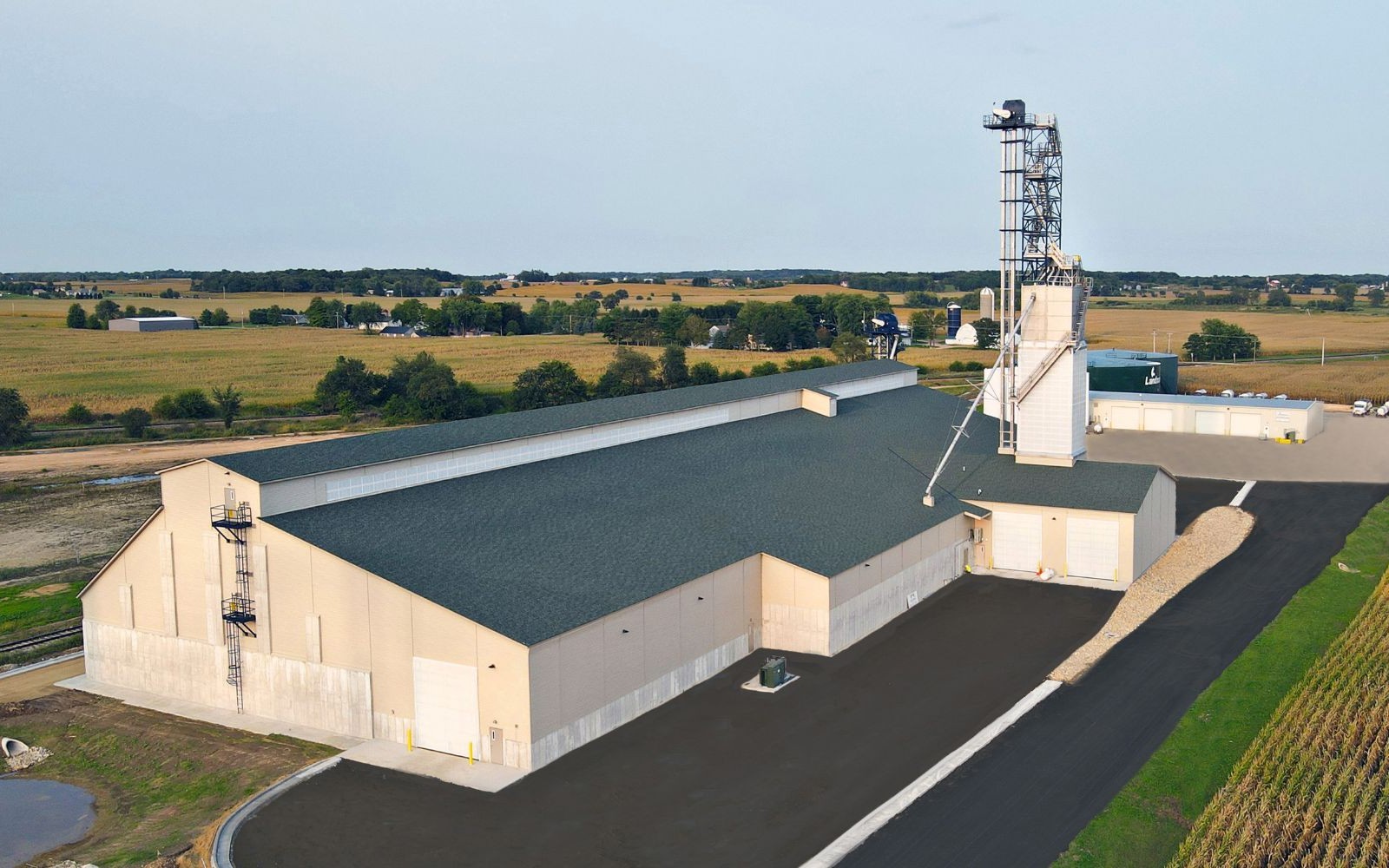
Agribusinesses and agricultural co-ops run equipment that serves both their own operations and their member producers. We finance and.
Cotton Farms
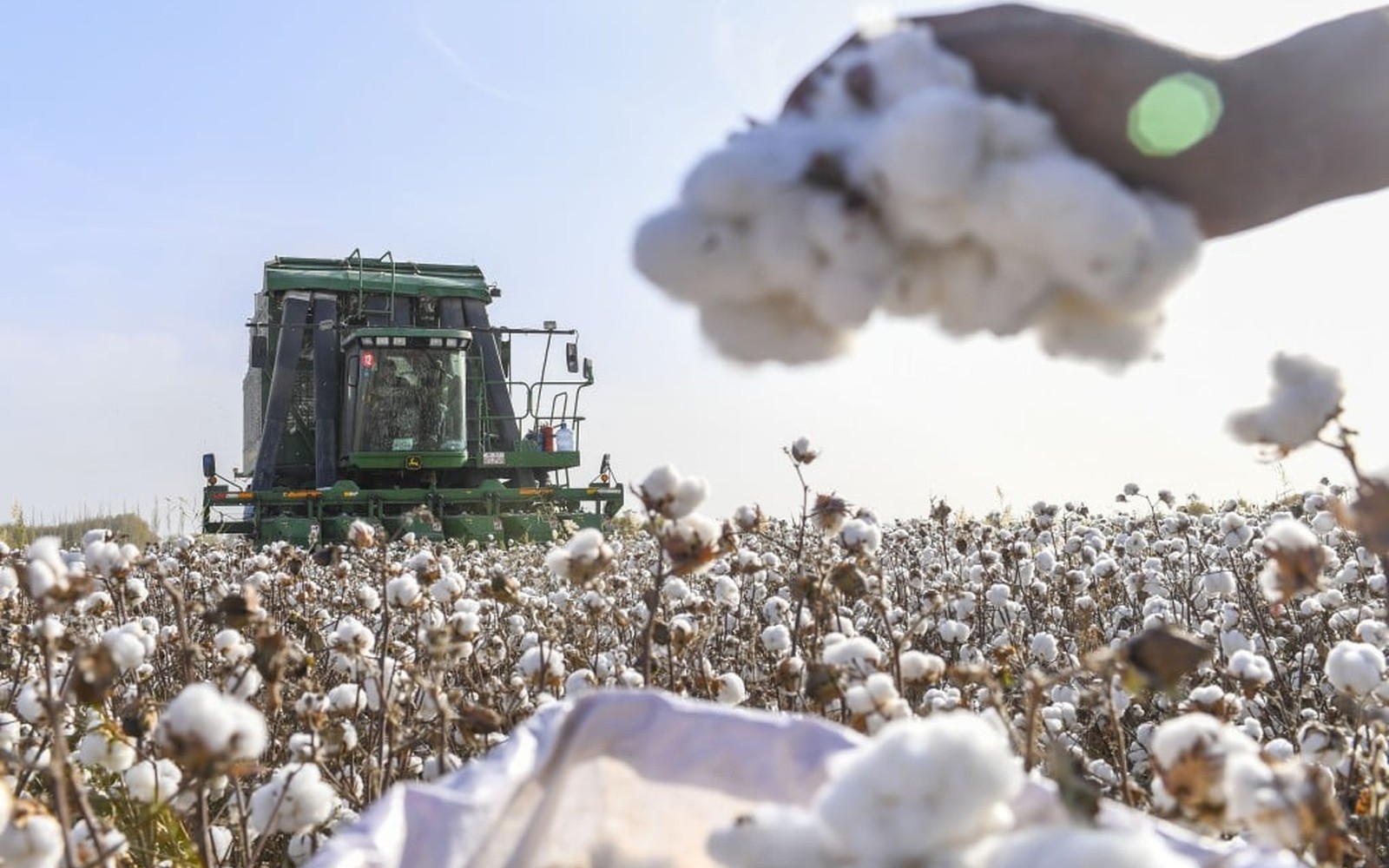
Cotton producers carry some of the highest per-acre equipment costs in American agriculture. We finance and refinance pickers, strippers.
Farm Equipment Dealers
Farm equipment dealers can offer customers alternative financing paths through us when manufacturer finance doesn't fit. We work with.
How Cattle Operation Financing Is Structured
Cattle operations have different cash flow patterns than row-crop farms, and the financing terms should reflect that. A cow-calf ranch gets most of its income when calves are sold, typically in the fall or when the producer weans and sells into a stocker or backgrounder. A feedlot gets paid when fed cattle are marketed, which can be more frequent but still subject to market timing.
Seasonal payment structures can be arranged for both types of operations. Instead of fixed monthly payments throughout the year, heavier payments can be aligned with cattle sale proceeds and lighter payments scheduled during the high-cost months of winter when feed costs run up and income may be lighter.
For equipment under roughly $400,000, the process is straightforward. An application goes in, we may ask for three months of bank statements, and the deal typically funds within one to two weeks. Larger or more complex transactions take a bit more documentation but still move faster than most banks.
B and C credit operations are considered. A ranch that has had a tough year with cattle prices or drought conditions isn't automatically out of the conversation. The asset quality and the overall picture of the operation matter as much as the score.
Farm Refinance Questions
Yes. Equipment from private sellers, estate sales, or operations winding down is something we work with. The machine needs to be in working condition and meet the minimum deal size. We'll review the age, condition, and value as part of the process.
Yes. Seasonal payment structures for cow-calf operations are something we set up regularly. Payments can be heavier in the fall when calf sales come in and lighter through winter and spring when costs are running but income isn't.
That's a common setup and it doesn't complicate the process. Equipment that serves multiple functions on the same operation is evaluated on the asset itself and the overall financials of the business, not on which enterprise uses it.
Yes. LLCs, partnerships, and corporate entities are all structures we work with. The application and documentation requirements are similar to individual ownership. We'll need the right signatories and entity documents.
Yes, it's worth applying. B and C credit situations are considered, especially when the operation has real assets and the bad year is explainable. One bad cattle market year is not disqualifying on its own.
Ready to refinance this equipment?
Send the equipment list, payoff details, estimated values, and timing for a direct refinance review.
Refinance
Brands & Models
Copyright © 2026 Farm Equipment Refinance. All Rights Reserved.