Custom Harvesters
Custom harvesting crews run expensive iron through a short season and need financing that moves as fast as the crop. We finance and refinance combines.
Custom harvesters follow the crop north from Texas to the Dakotas, cutting wheat, corn, and soybeans for farmers who don't own their own combine. The business runs on two things: capacity and reliability. A combine that doesn't show up on the contracted field, or one that breaks down in the middle of a Kansas wheat run, costs not just the repair but the field and the contract relationship. Every machine in the fleet has to be ready, and getting the equipment right means financing it right.
We work with custom harvesting operations, from two-combine family crews cutting wheat from Enid to Fargo, to larger operations running five or six combines with service trucks and grain carts to match. The equipment investments are substantial. A new flagship combine from a major manufacturer can run over half a million dollars. A fleet of three or four of them, along with headers, grain carts, and a semi or two for service, puts the capitalization of a serious custom operation in the seven-figure range.
That kind of capital investment needs thoughtful financing. We can help with individual machine purchases, fleet refinancing, or pulling equity out of older iron through a sale-leaseback to fund newer additions to the fleet.
Custom Harvest Operations We Work With
Custom harvesters come in several configurations, and we work with all of them.
- Wheat custom harvest crews running north from Oklahoma and Kansas through the Dakotas
- Corn and soybean custom harvesters in the Midwest cutting for operations that don't own combines
- Custom silage harvesting crews serving dairies and feedlots from Kansas to Wisconsin
- Owner-operators adding a first combine to start a custom operation
- Established crews replacing older machines with current-model equipment
- Multi-combine fleets looking to refinance existing notes or consolidate equipment debt
The business model of custom harvesting means income comes in compressed bursts through the cutting season. A Kansas wheat run might generate a significant portion of a crew's annual revenue in three or four weeks. Corn and bean season adds another compressed window in the fall. Managing cash flow between those windows is part of running the business, and the equipment payment structure should fit that pattern.
Farm Operations
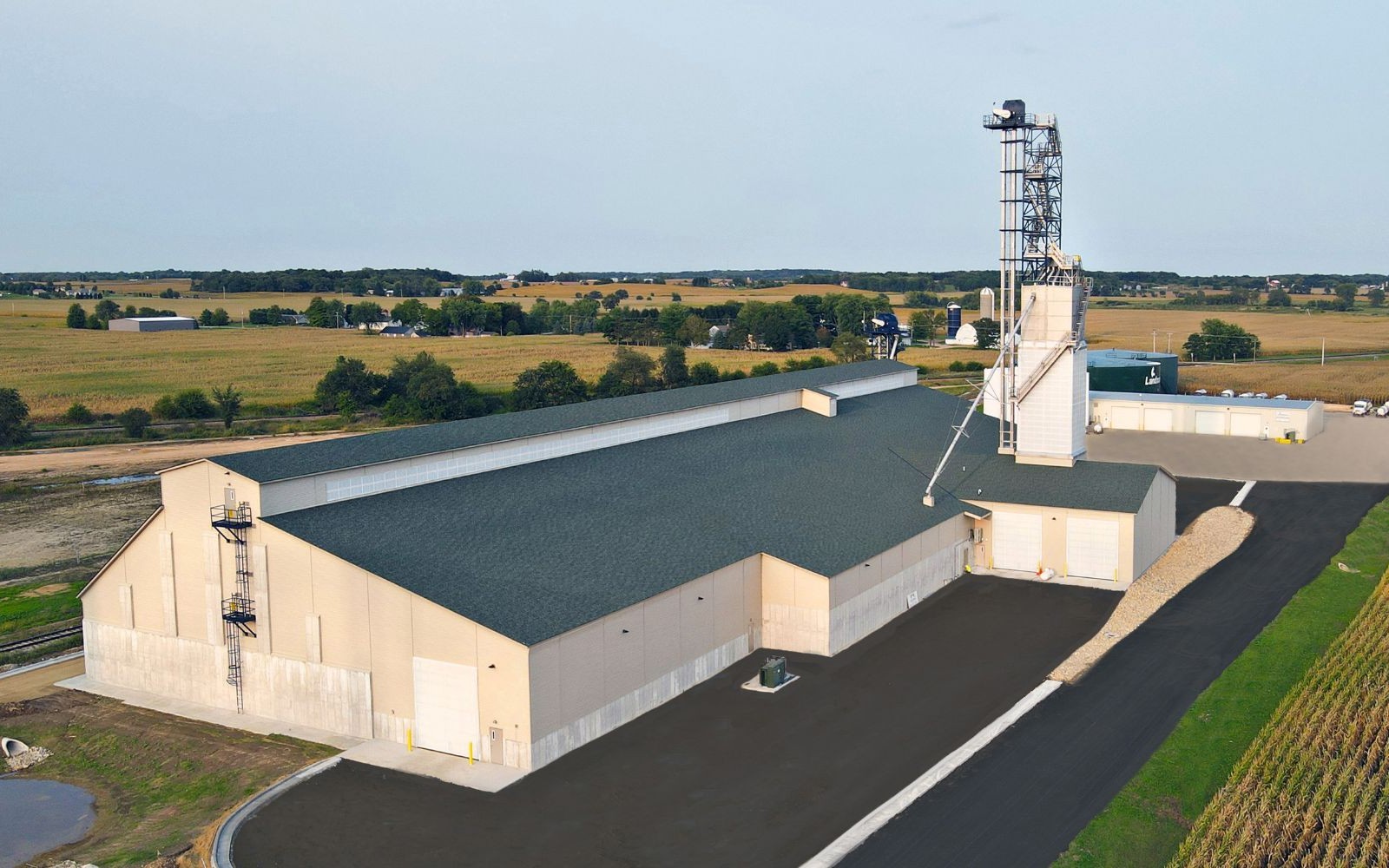
Agribusiness & Co-Ops
Agribusinesses and agricultural co-ops run equipment that serves both their own operations and their member producers. We finance and.
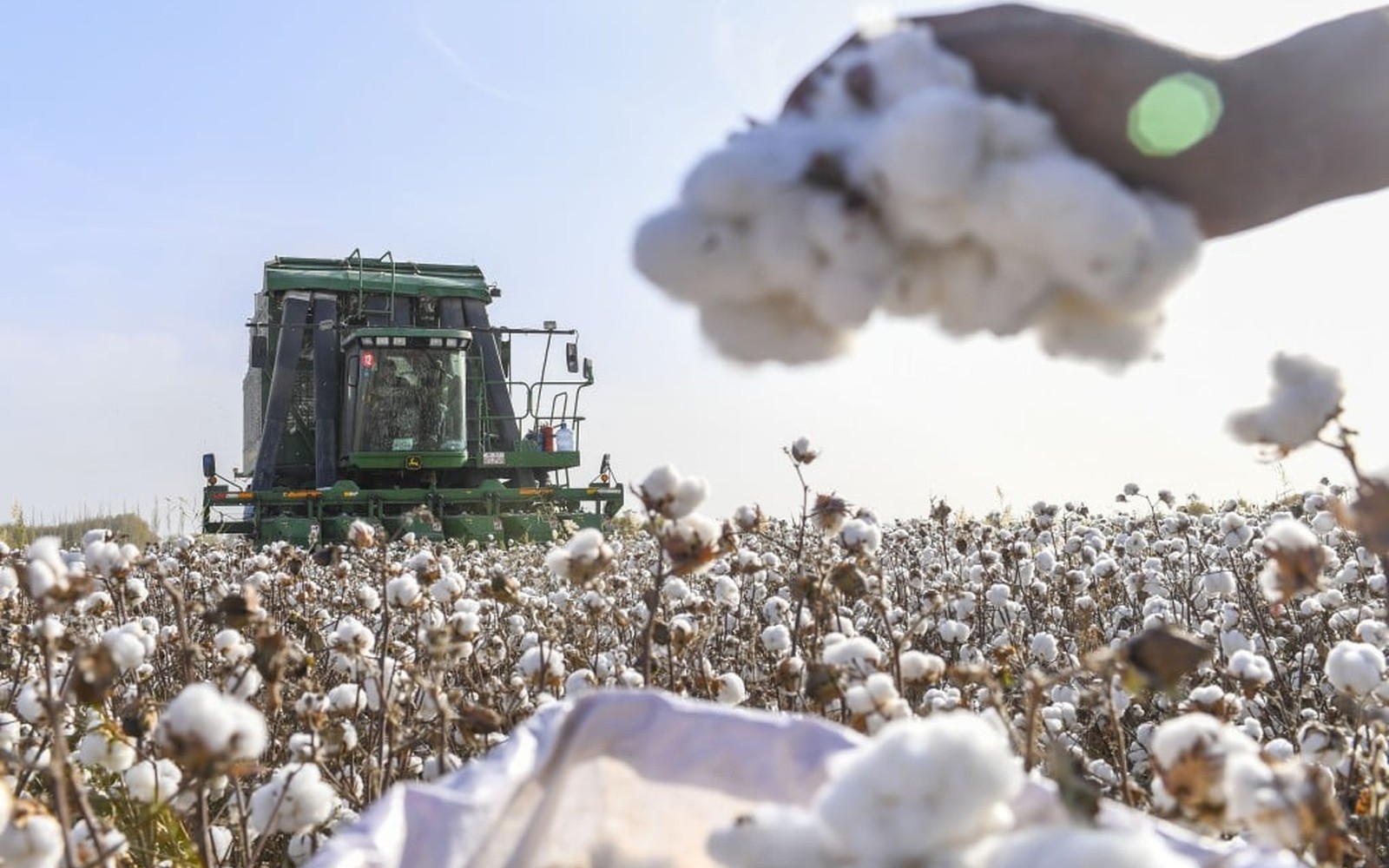
Cotton Farms
Cotton producers carry some of the highest per-acre equipment costs in American agriculture. We finance and refinance pickers, strippers.
Farm Equipment Dealers
Farm equipment dealers can offer customers alternative financing paths through us when manufacturer finance doesn't fit. We work with.
The Iron Custom Harvesters Finance
Combines. The combine is everything in a custom operation. Grain combines from major manufacturers run wheat, corn, and soybeans with the right header configuration and machine settings. Most custom harvest crews run late-model equipment to minimize breakdown risk and maintain the reliability their customers depend on. A one-year-old or two-year-old combine from a dealer or another crew is a common transaction, and it finances well.
Corn heads and grain headers. Corn heads and grain headers go with the combine but are often financed separately or bundled depending on how the deal is structured. A 16-row corn head or a 40-foot flex header represents a substantial additional investment beyond the combine itself.
Draper headers for wheat. Draper headers have become the standard for wheat custom harvest at the high end of the business. The ability to run at higher ground speed and handle down or tangled crop with fewer feeding issues makes them the preferred choice for crews that need throughput and reliability.
Grain carts. Grain carts that keep up with the combine matter as much as the combine itself on large custom harvest operations. A cart that can't unload fast enough holds the whole crew up. Modern large-capacity carts in the 1,000 to 1,500 bushel range are common on serious custom operations.
Farm trucks and support vehicles. Farm trucks and grain trailers are part of the custom harvest fleet. A semi or straight truck for grain hauling and a service truck for parts and maintenance support are financing targets as part of a larger package transaction.
Farm Refinance Questions
Multiple machines can be combined into a single fleet transaction. For two or three combines plus headers and a cart, a package deal is often cleaner and can be structured as a single note or a master agreement covering several assets.
Yes. Seasonal payment structures are common for custom harvest operations. Heavier payments can be tied to wheat cutting and fall corn/bean completion windows, with lighter obligations during the off-season months when crews are prepping equipment and not running.
Private-party purchases from other custom harvesters are handled regularly. The machine needs to be in good working condition. We'll ask about hours, service history, and condition as part of the review. It's a straightforward process.
Yes. Fleet refinancing or debt consolidation across multiple machines is something we do. We'll look at what you owe, what the machines are worth, and what structure makes sense.
We do work with new operations. Startup situations require a stronger credit profile since there's no operating history, and the down payment or collateral position may need to be stronger. Talk to us about what you have and we'll be straight with you about what's workable.
Ready to refinance this equipment?
Send the equipment list, payoff details, estimated values, and timing for a direct refinance review.
Refinance
Brands & Models
Copyright © 2026 Farm Equipment Refinance. All Rights Reserved.