Agribusiness & Co-Ops
Agribusinesses and agricultural co-ops run equipment that serves both their own operations and their member producers. We finance and refinance loaders.
An agricultural co-op or agribusiness is in the middle of every transaction its producer-members make. The fertilizer that goes on in the spring, the grain that comes off in the fall, the seed that goes in the planter, and sometimes the custom services that make all of it happen. That position comes with equipment needs that are different from what a farm itself runs. Tender trucks, application equipment, loader tractors, bin sites, and the vehicles and machines that move product between the elevator and the field are the iron side of the agribusiness operation.
We work with grain elevator companies, farm supply co-ops, custom application businesses, and agribusiness operations that serve producer clients. The equipment is often commercial-grade and runs hard through the busy seasons. A fertilizer tender truck that's on the road from March through June, moving product to fields across a multi-county territory, has a different usage pattern and a different maintenance profile than a farmer's own applicator.
The minimum deal size is $50,000. Most significant agribusiness equipment transactions run well above that, and fleets of application equipment or tender trucks can represent major capital programs.
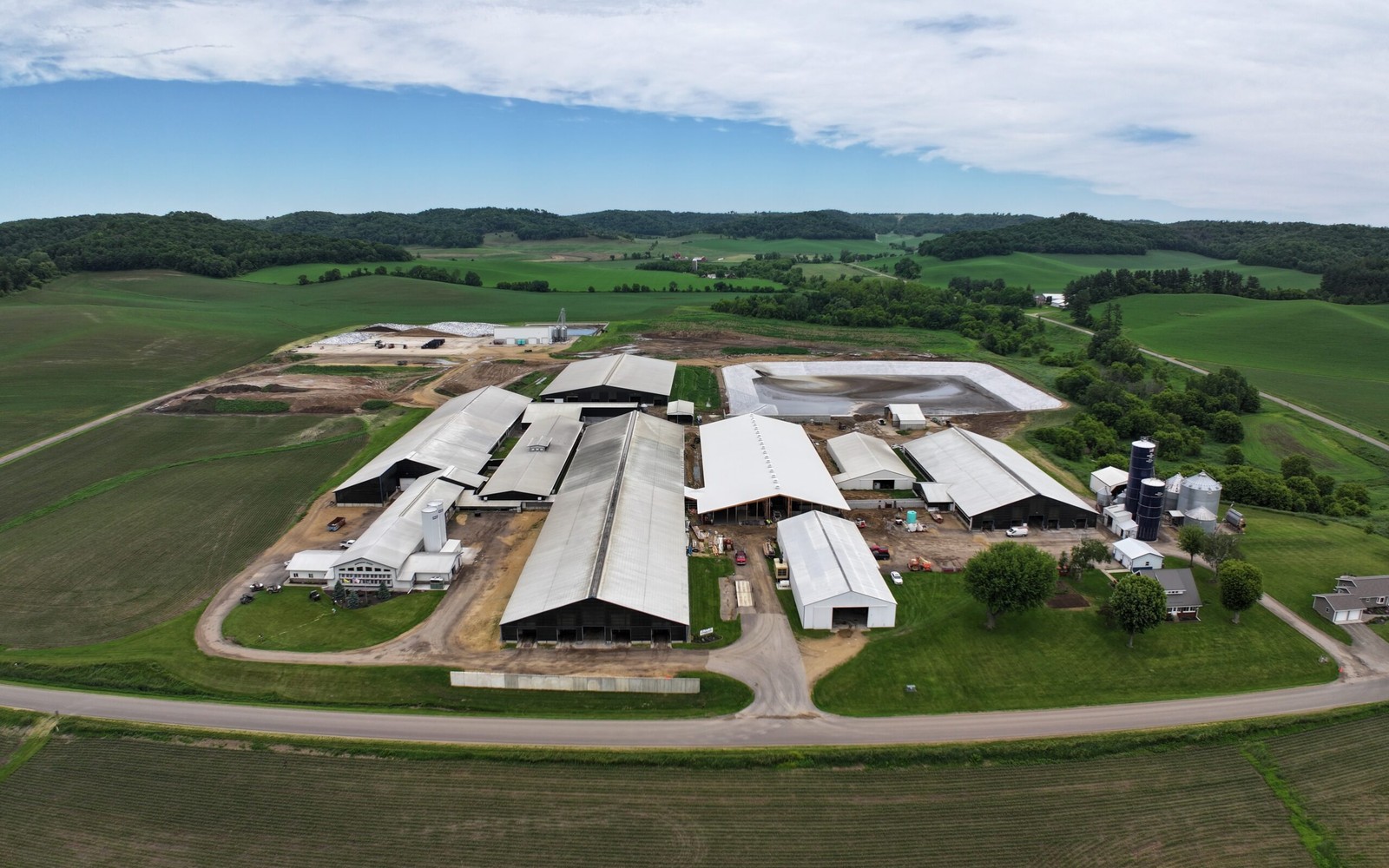
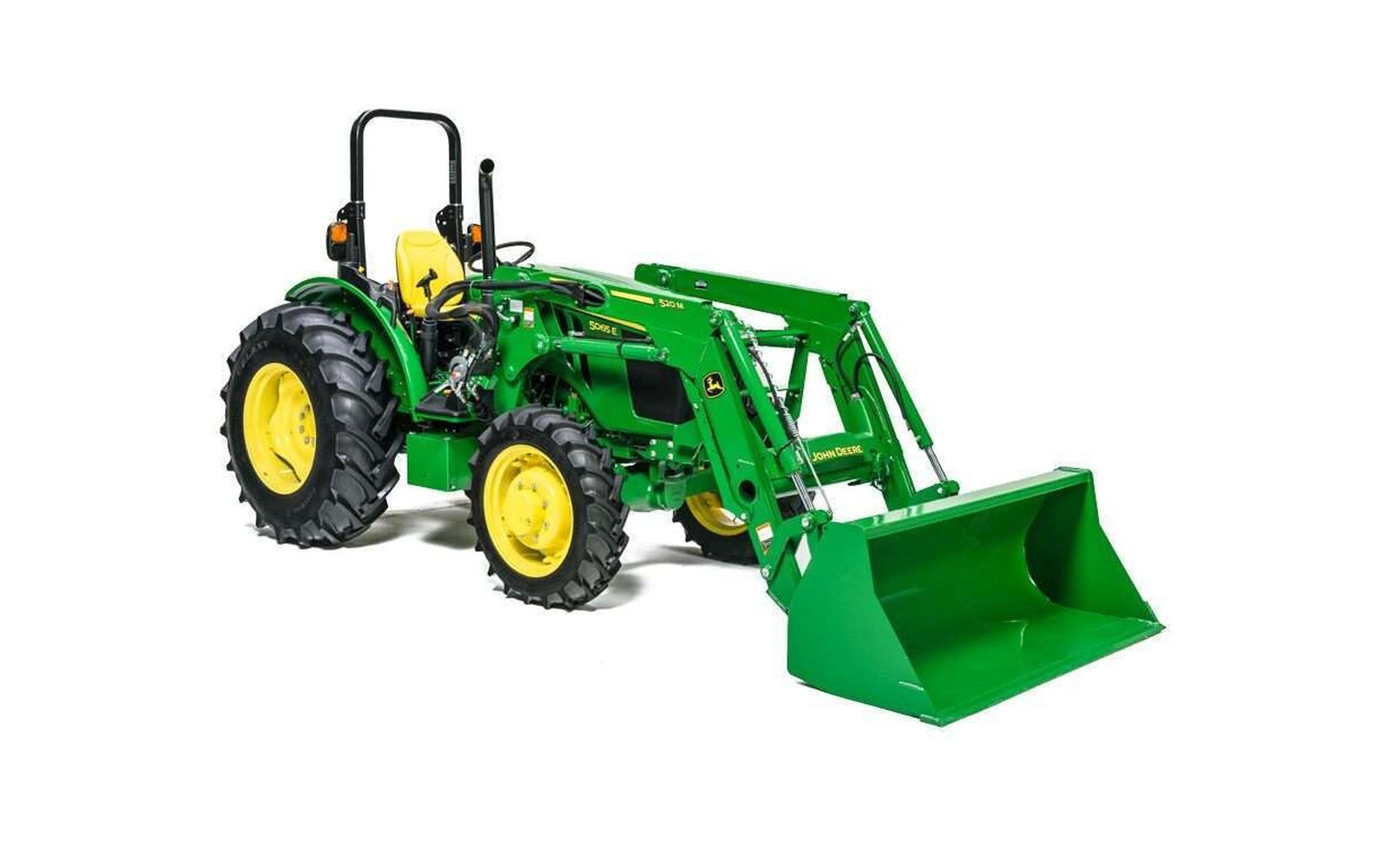
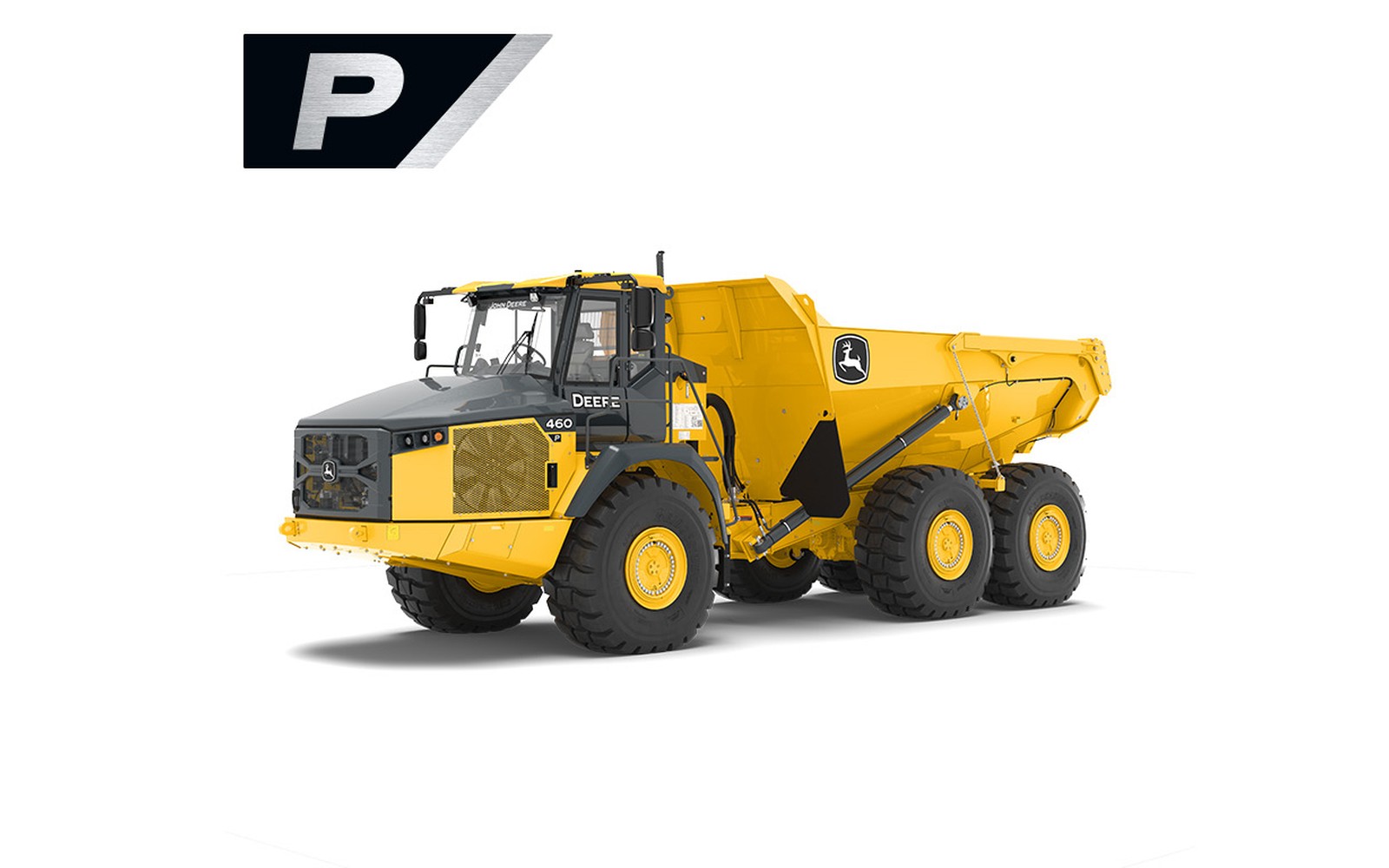
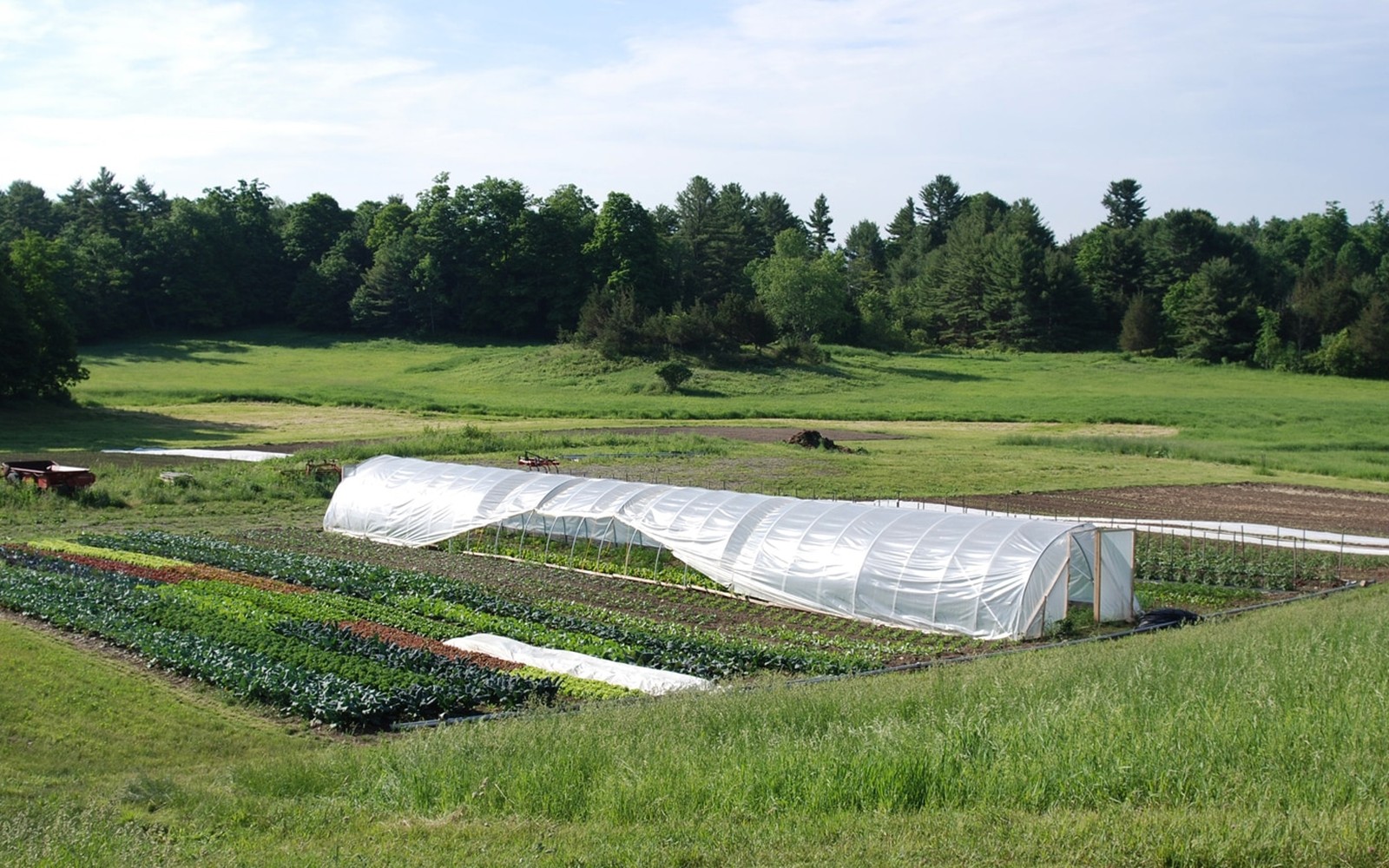
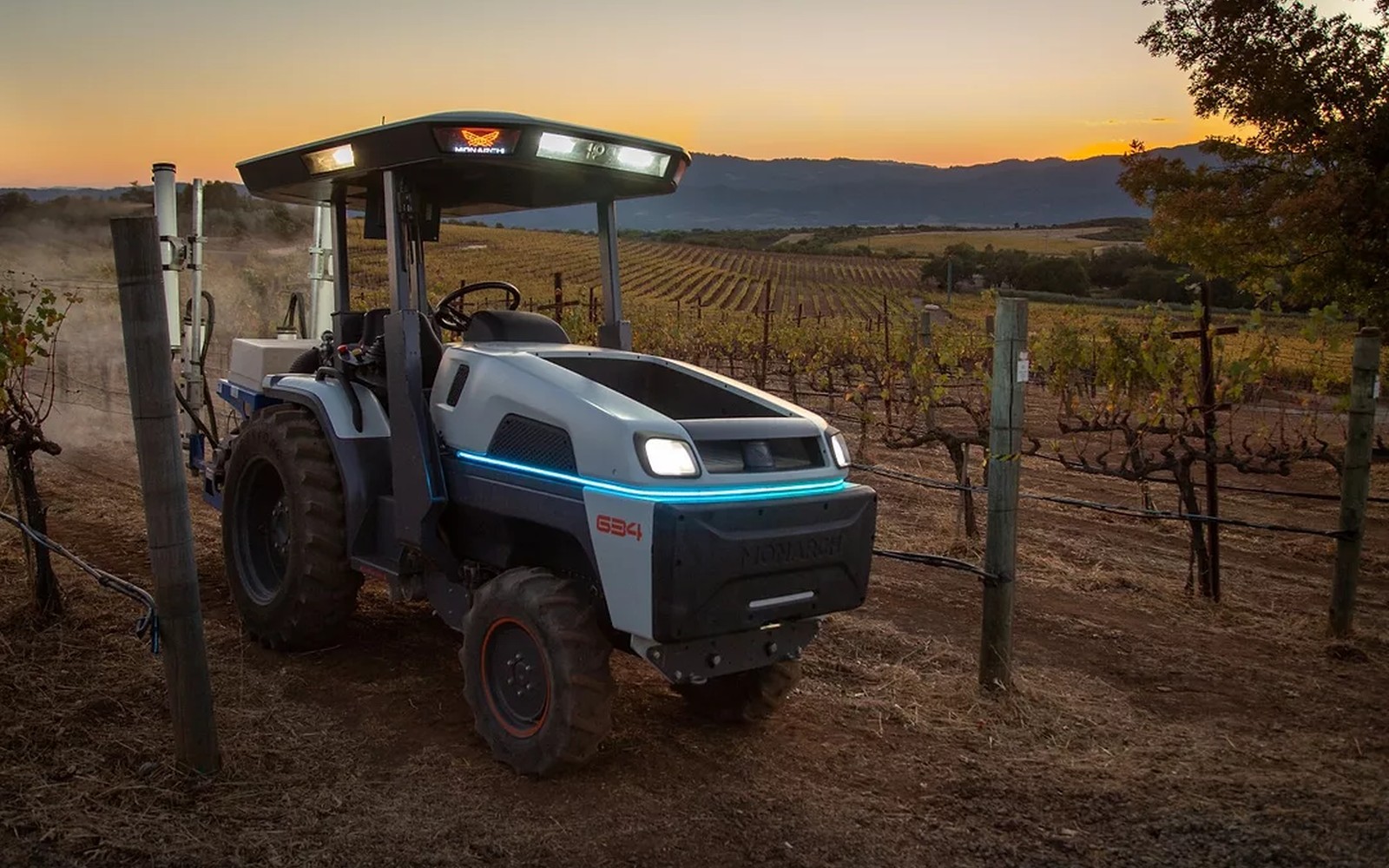
Agribusiness Equipment We Finance
Fertilizer applicators and tender equipment. Fertilizer and nutrient applicators operated by ag co-ops and custom applicators represent a major equipment category. These range from pull-type spreaders to large high-clearance self-propelled applicators, plus the tender trucks that supply them in the field. Both the applicators and the tenders qualify for equipment financing.
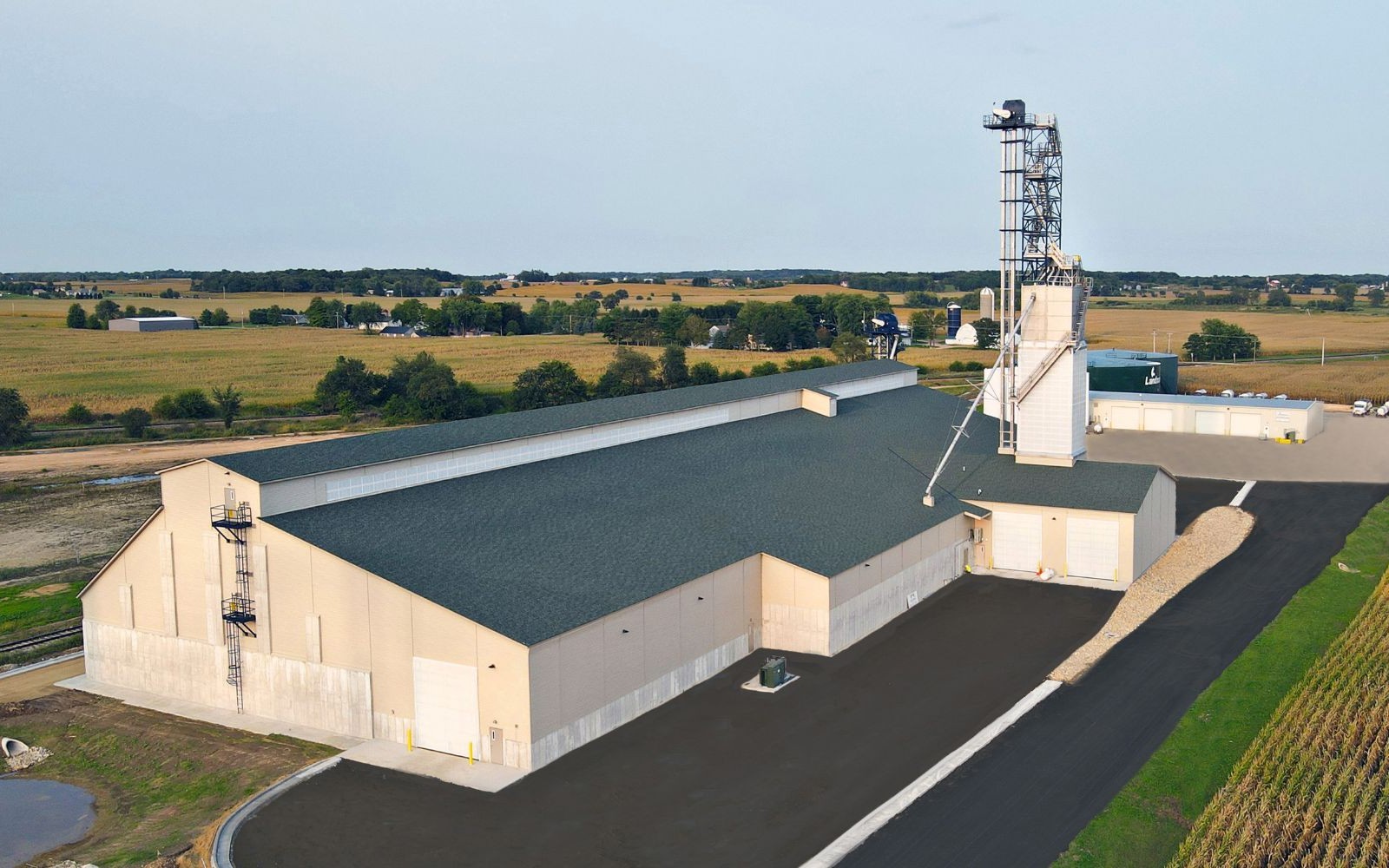
Grain handling equipment. Elevator operations and grain marketing co-ops invest heavily in auger and conveyor systems, drying and storage infrastructure, and the grain handling systems that move product from farm to elevator to market. These are significant capital investments that are sometimes separate from real property financing and can be structured as equipment transactions.
Tractors and loaders for elevator operations. A grain elevator needs skid steers, Telehandlers, and tractor-loader packages for facility maintenance, bin site management, and product movement. These are steady-use machines that wear out on a regular cycle and need to be replaced.
Trucks and delivery vehicles. Trucks for product delivery, grain hauling, and field logistics are a core piece of the agribusiness equipment inventory. A fertilizer tender truck or a bulk seed delivery vehicle represents a significant capital item that financing spreads over the useful life of the asset.
Custom service equipment. Agribusinesses that offer custom planting, custom spraying, or custom harvesting services run sprayers, Planters, and combine fleets that are financed as business equipment rather than farm equipment in the traditional sense. The financing process is the same.
Farm Operations
Agribusiness & Co-Ops
Agribusinesses and agricultural co-ops run equipment that serves both their own operations and their member producers. We finance and.
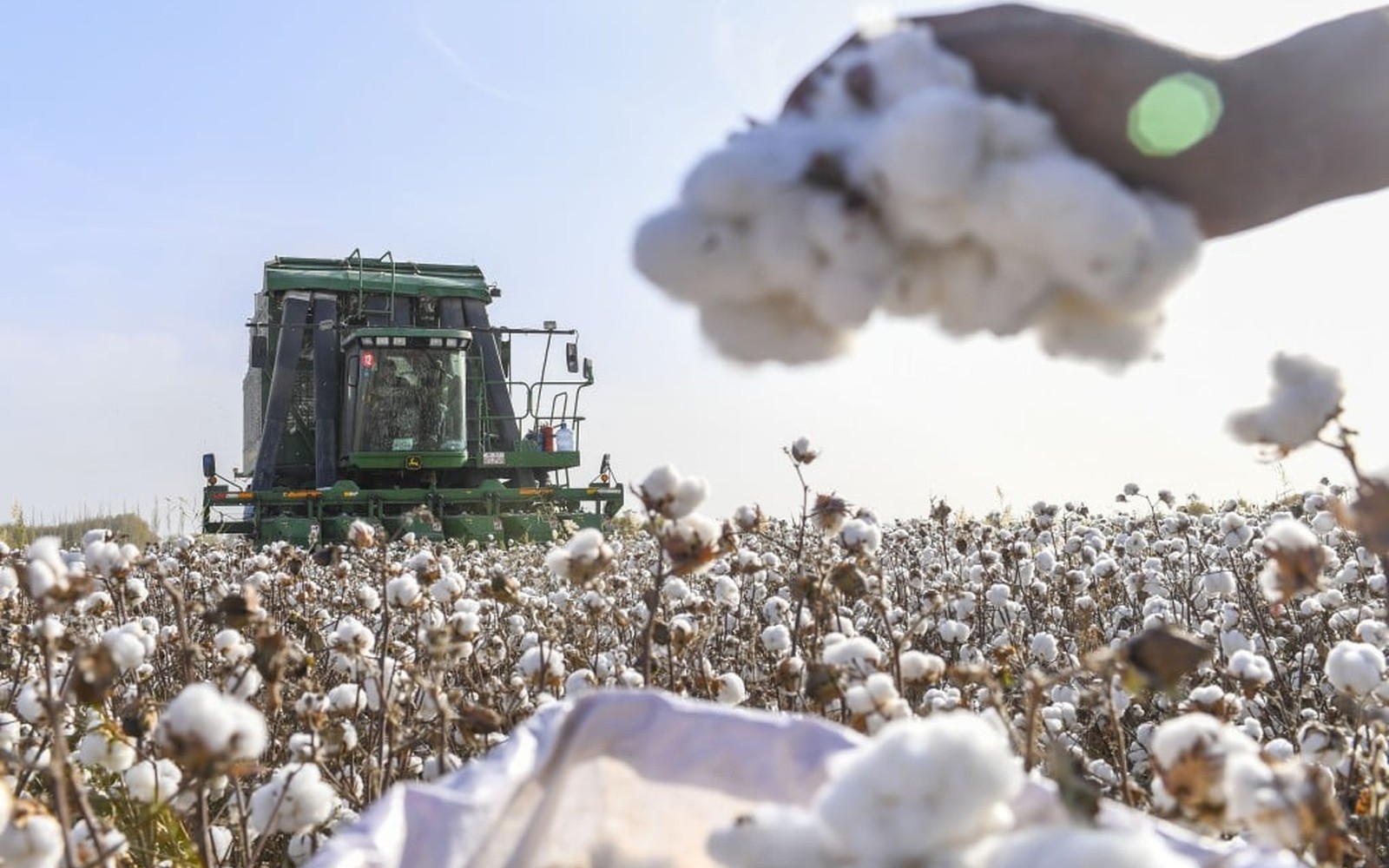
Cotton Farms
Cotton producers carry some of the highest per-acre equipment costs in American agriculture. We finance and refinance pickers, strippers.
Farm Equipment Dealers
Farm equipment dealers can offer customers alternative financing paths through us when manufacturer finance doesn't fit. We work with.
Payment Terms for Agribusiness Operations
Agribusiness cash flow is different from a farm's cash flow. A grain elevator has income coming in during harvest and going out as grain is marketed, creating a different pattern from a farmer's single settlement window. A co-op's custom application business generates revenue through the spring and fall application seasons, which can be heavier income periods than winter and midsummer.
Payment structures for agribusiness equipment are typically straightforward monthly arrangements because the income is more spread across the year than on a pure farm operation. Where there's a clear heavy season and a clear light season, we can build that into the payment schedule.
Documentation for agribusiness and co-op financing is more similar to commercial business lending than to farm lending. Three months of business bank statements, business tax returns or audited financials, and entity documentation are the typical requirements for transactions at significant scale.
B and C credit situations occur in agribusiness too, sometimes from a difficult year in the grain market, sometimes from a period of rapid expansion that strained the balance sheet. We evaluate each situation on its merits, looking at the business as a whole rather than a single financial metric.
Farm Refinance Questions
We work with agribusiness operations and co-ops as well as individual farms. The equipment financing process is similar, though the documentation for a business entity is somewhat different from an individual farm application. Both are handled regularly.
Yes. Multi-unit fleet purchases can be structured as a single transaction or a master agreement covering the group. For an agribusiness acquiring several trucks at once, bundling them into a single deal is often the most efficient approach.
Yes. Debt consolidation across multiple equipment notes is something we work with. Rolling several notes into a cleaner single-payment structure is often worth doing when a co-op has expanded quickly and the separate note management has become complex.
Cooperative entities are handled like other business entities. We look at the co-op's financial statements, operating history, and asset position. Cooperative structures are familiar to us and don't complicate the process.
They can be handled as separate transactions or combined depending on what makes more sense for the amounts and the timing. There's no requirement to bundle everything together.
Ready to refinance this equipment?
Send the equipment list, payoff details, estimated values, and timing for a direct refinance review.
Refinance
Brands & Models
Copyright © 2026 Farm Equipment Refinance. All Rights Reserved.