Skid-Steer Loader Financing for Farms
Finance a farm skid-steer loader for feed handling, manure cleanup, and general farm work. Flexible terms, B/C credit considered, decisions in 1-2 days.
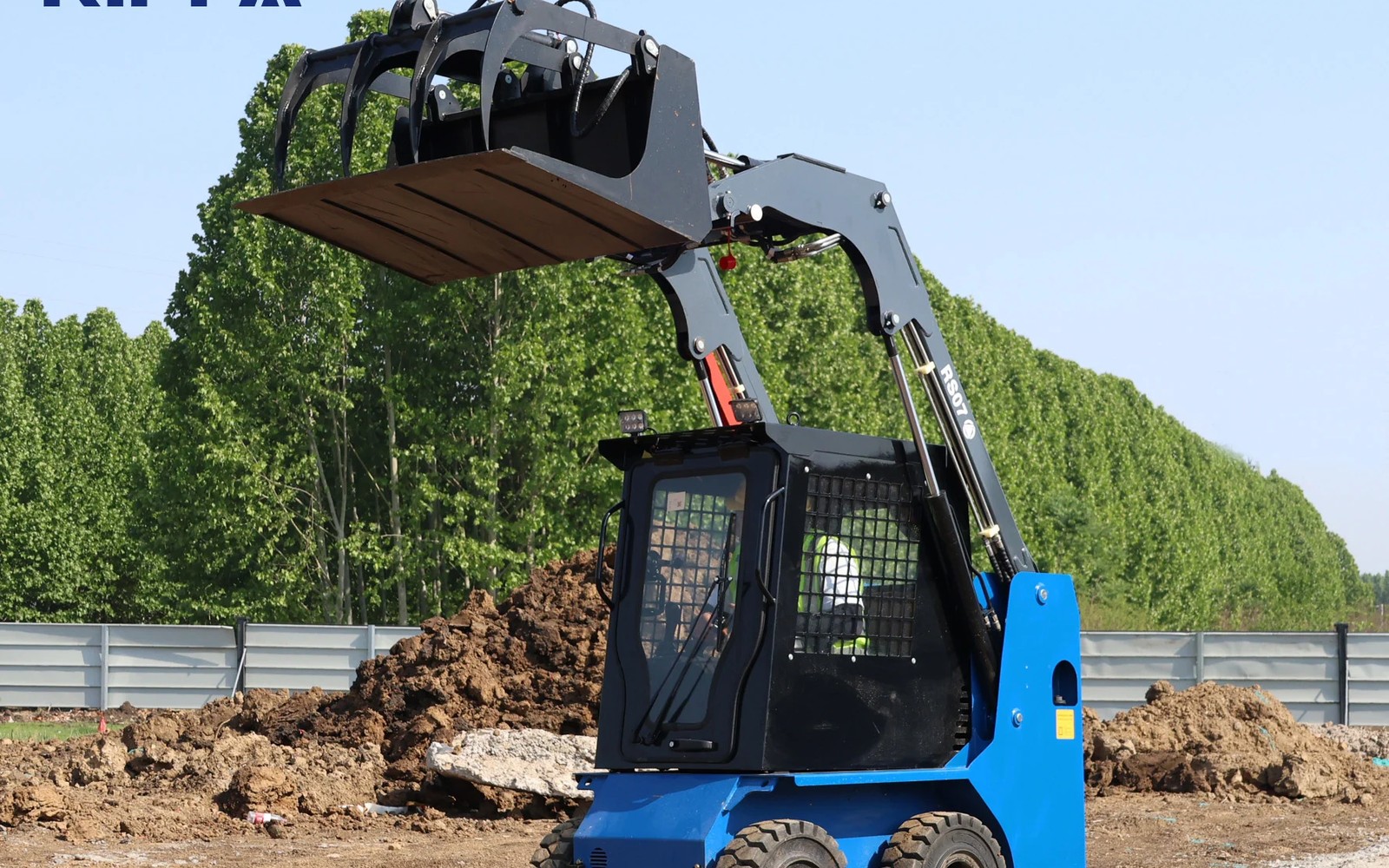
A skid steer on a farm does a little of everything. It cleans out buildings, moves bales, loads trucks, levels ground, carries pallets, and handles a hundred odd jobs that would otherwise require more time and manual labor than most operations can afford. The attachment ecosystem makes it especially useful because one machine with the right collection of buckets, forks, grapples, and augers can cover work that used to take several pieces of equipment.
We finance skid-steer loaders for farming operations of all sizes. New machines, used machines, and machines that already have a loan we can improve all qualify. Deals start at $50,000, and a mid-size skid steer with a few attachments often falls costing on the order of $60k to $100k. Payment timing can flex around your season.

Who Needs a Skid Steer on the Farm
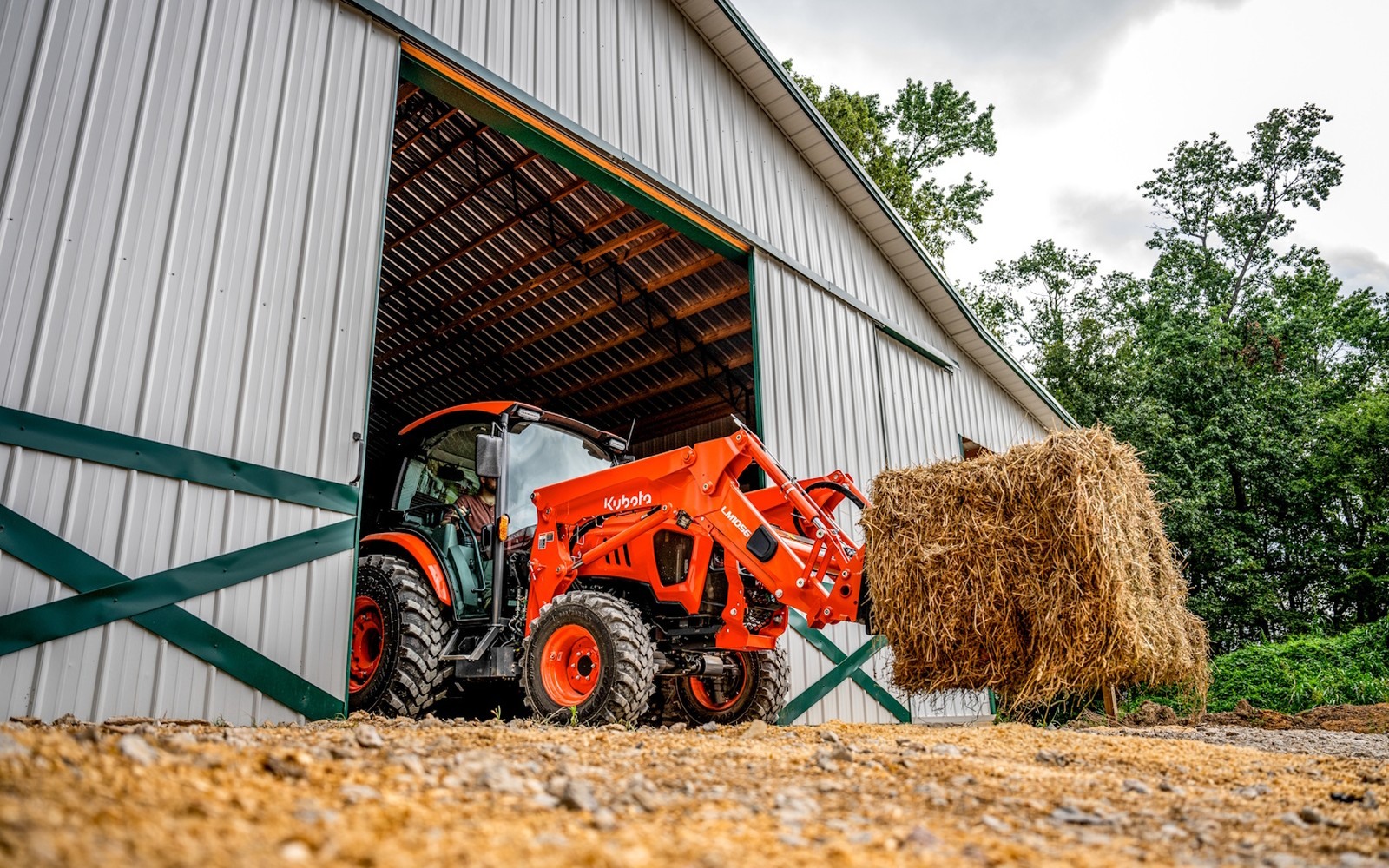
Livestock operations, particularly dairy farms, beef feedlots, and hog operations, rely on skid steers more than most because manure and feed handling are daily tasks. A skid steer with a grapple bucket handles silage face work. One with a manure bucket keeps pens clean. Add forks and it stacks hay or moves totes of feed supplement. These machines run long hours and justify their cost quickly on operations where labor is tight and the daily list is long.
Grain farms use skid steers primarily for moving things: grain bags, seed totes, bins supplies, or handling grain at the bin site when a tractor would be overkill. Specialty crop and vegetable operations use them for moving produce bins, clearing debris, and maintaining roads and drainage in the field. Orchards use smaller models for working between tree rows.
Beginning farmers and small operations often find that a used skid steer is the most practical first machine on the place, more versatile than a tractor at the lighter duties and easier to work in confined buildings. First-farm financing for a used skid steer is a path we see regularly.
Farm Equipment
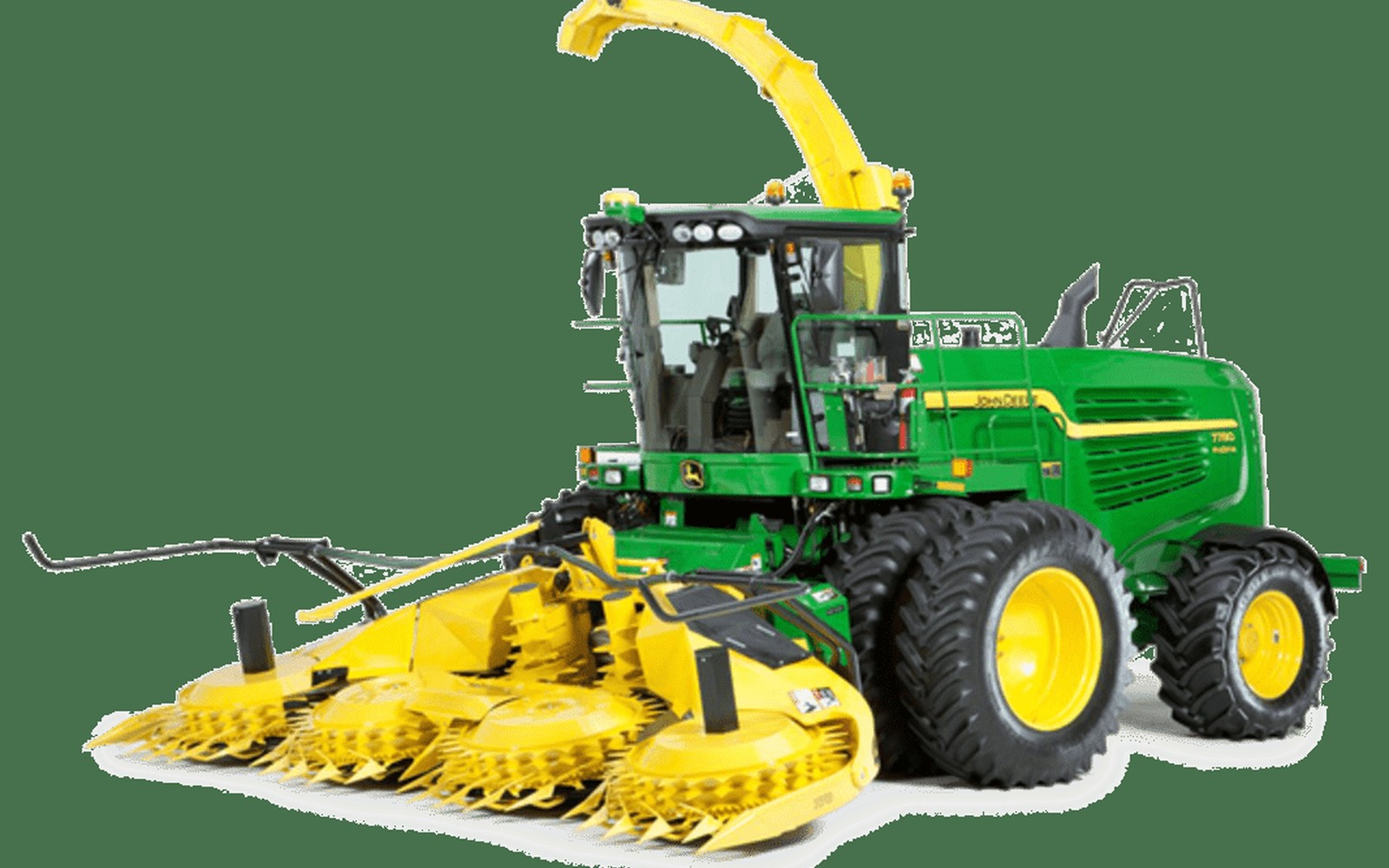
Forage Harvester Financing & Refinancing
Finance or refinance forage harvesters and choppers for dairy and beef operations. Seasonal payment options, fast approvals, B/C credit.
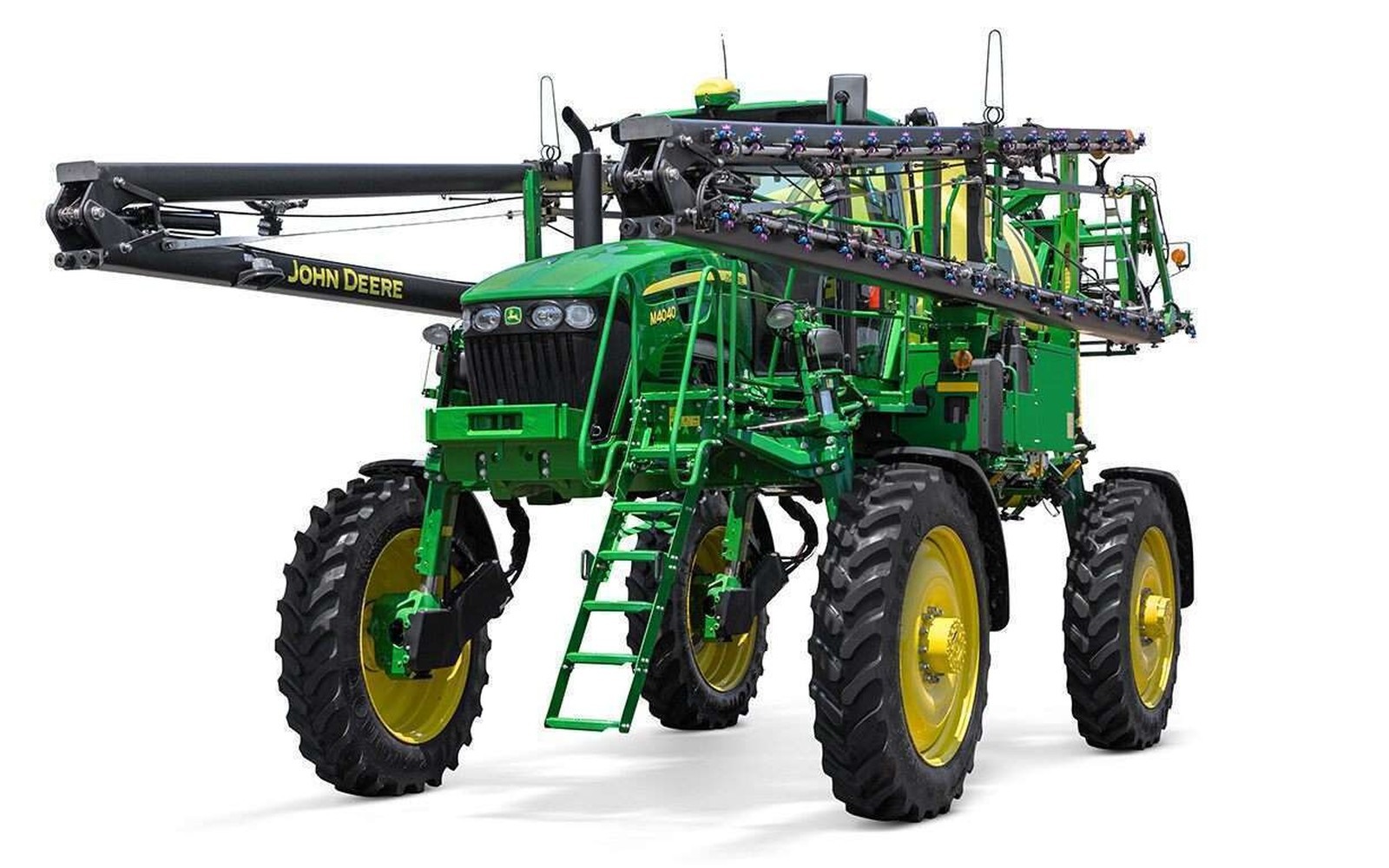
Tillage Equipment Financing & Refinancing
Finance or refinance tillage equipment including chisel plows, vertical tillage, strip-till, and subsoilers. Seasonal payments, fast.
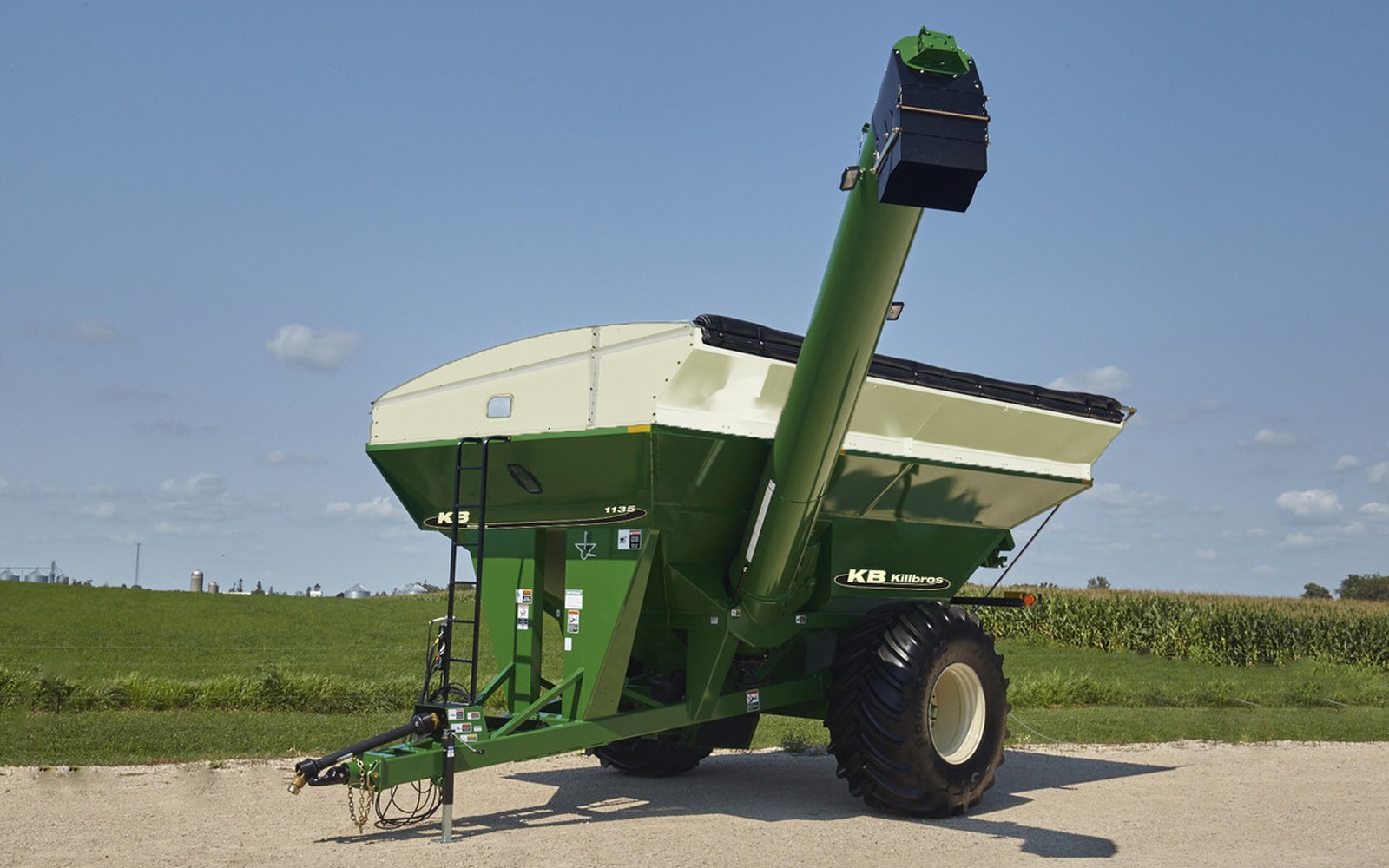
Grain Cart Financing
Finance or refinance a grain cart to keep harvest moving without bottlenecks. Streamlined file review to about $400k, seasonal payment.
What to Know About Skid-Steer Specifications
Skid steers are categorized by rated operating capacity, which is the weight the machine can safely carry to full lift height. Smaller machines in the 1,200- to 1,750-pound operating capacity range work well for most general farm tasks. Larger models rated at 2,500 to 3,600 pounds handle heavier materials like wet silage, manure, or gravel. Large-frame skid steers approach the performance of compact track loaders at a somewhat lower price point.
Track options matter on farms. Rubber-tired skid steers are fast and maneuverable on firm ground, but they tear up soft fields and muddy lots. Machines with steel tracks or rubber track conversions handle wet conditions better. For operations that spend most of their time on concrete pads or firm farmyards, tires are fine. For work in fields, lots, or around livestock buildings with soft ground, a compact track loader may be a better choice for the same price range.
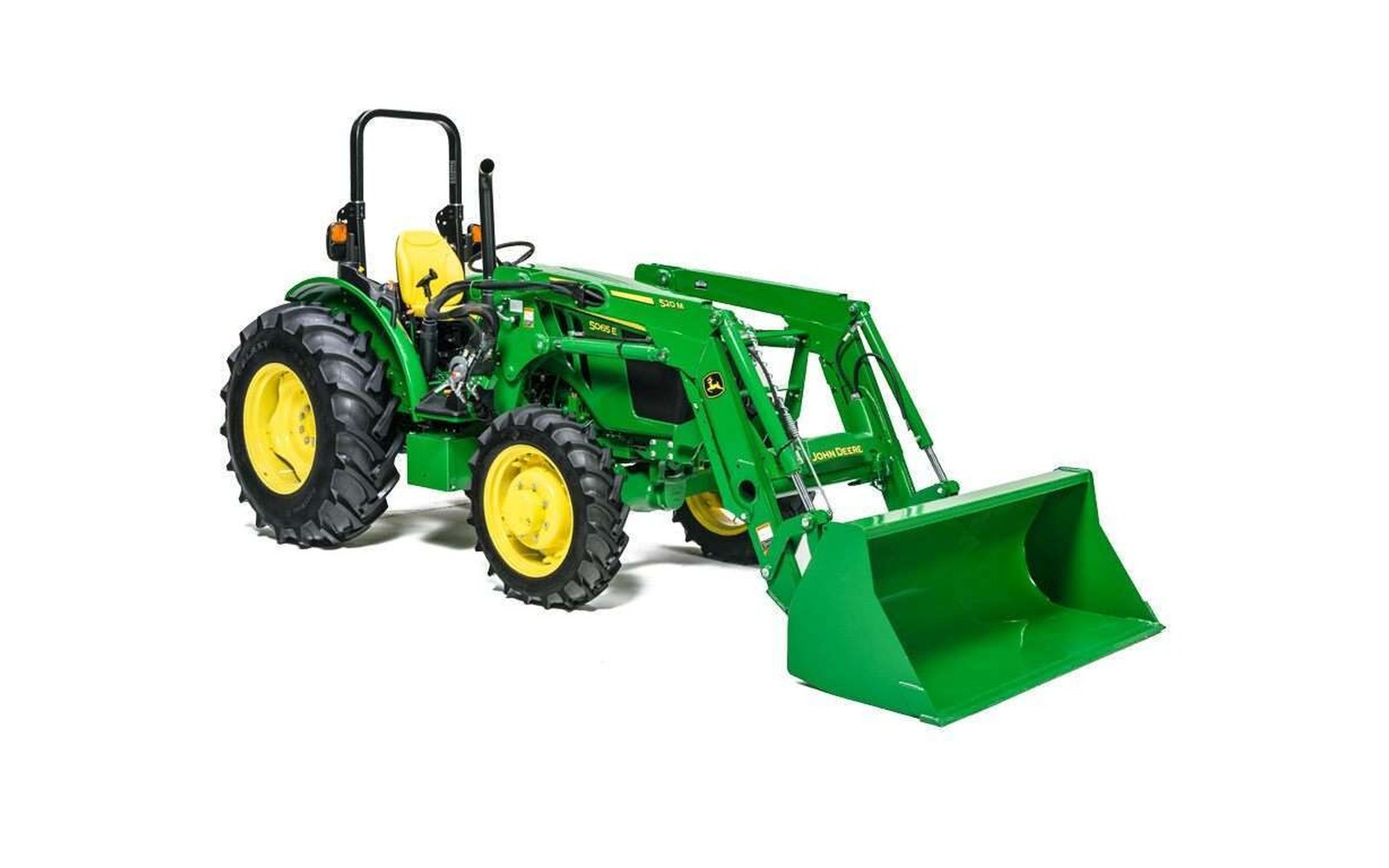
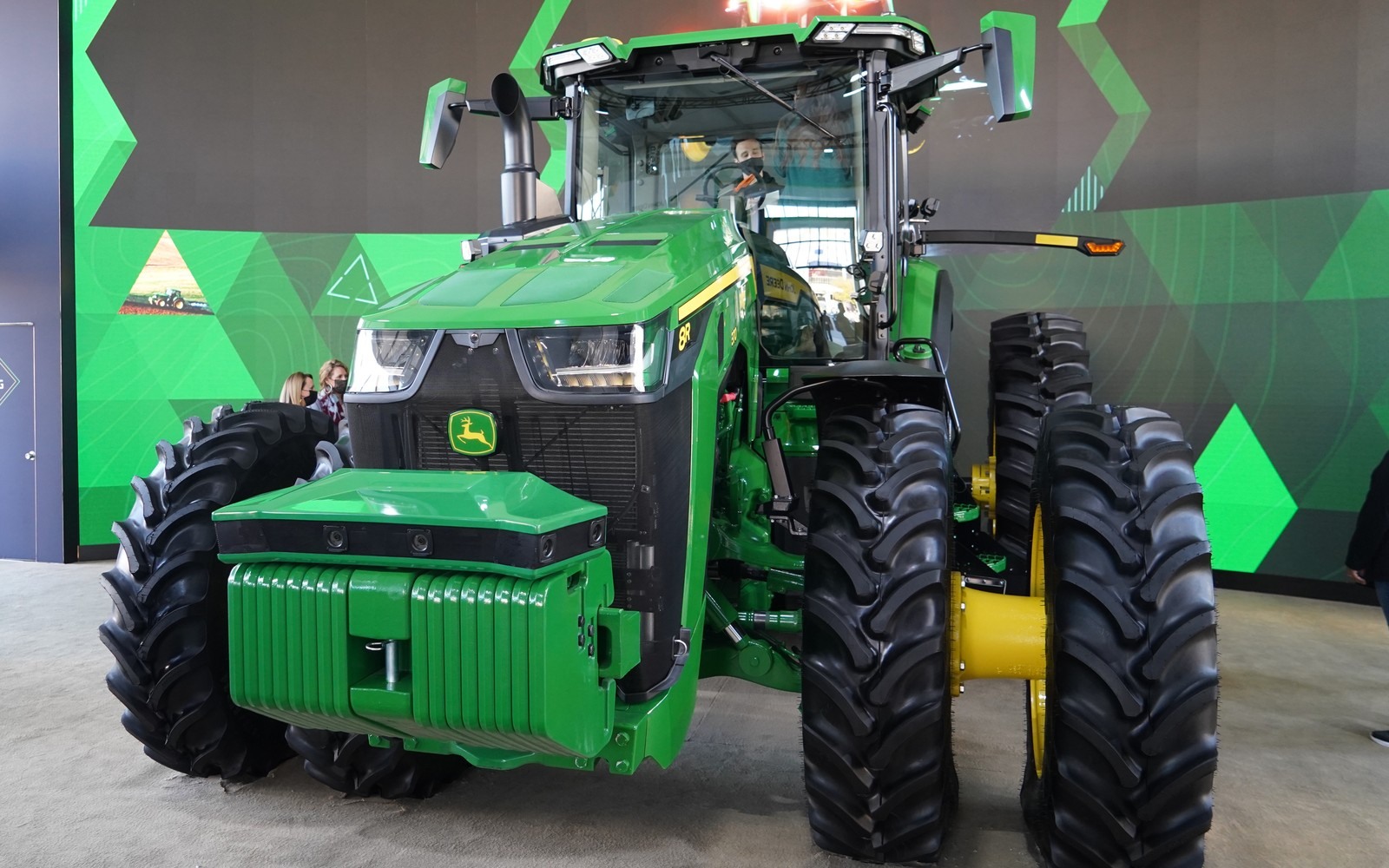
Major brands in farm skid steers include Bobcat, Case, New Holland, John Deere, and Kubota. All hold reasonable value on the used market when maintained. Newer machines from most of these manufacturers come with joystick controls, enclosed heated cabs, and high-flow hydraulics that make running attachments far more productive than older open-cab models.
Farm Refinance Questions
In most cases yes. Attachments purchased at the same time as the machine can usually be included in the same transaction. A bucket, forks, grapple, and auger added to a new machine purchase are often financed as one package.
Yes. Private-party purchases are eligible. We will need a bill of sale and information about the machine including make, model, hours, and general condition. A recent service record helps but is not required.
Yes. We look at the whole picture for newer farmers. The machine's value, the farm's early financial picture, and a reasonable story about how the payment will be serviced all factor in. First-farm and startup situations are something we handle regularly.
Hours affect the machine's current value, which affects how much we can refinance. A 2,000-hour machine in good mechanical shape still has substantial value. We will look at condition and an estimated current value and tell you what is possible.
Term length on used equipment depends on the age and condition of the machine. Generally, 36 to 60 months is typical for older used machines, and up to 72 months on newer, higher-value equipment. We match the term to the asset's remaining useful life.
Ready to refinance this equipment?
Send the equipment list, payoff details, estimated values, and timing for a direct refinance review.
Refinance
Brands & Models
Copyright © 2026 Farm Equipment Refinance. All Rights Reserved.