Startup & New-Farm Financing
Equipment financing for startup farms and new operators who haven't built years of farm income history. We work with thin credit files and early-stage.
Every farm started somewhere. The section ground a family has worked for three generations got its start with somebody who had to borrow to get the first piece of iron in the field. Getting a startup farm financed is harder than most new operators expect, not because the plan is bad but because lenders want to see history that does not exist yet. Scheduling is a real challenge when you have one season or none behind you.
We specialize in the awkward early years, where the ground is ready, the market is there, and the limiting factor is equipment that a conventional lender will not fund without two years of Schedule F to back it up. Our program looks for other ways to tell your story: a solid down payment, personal credit that is clean even if the business credit is new, a co-signer or partner with history, or a business plan backed by real cost-per-acre and yield data from the ground you are farming.
The Situations We See Most
First-generation farmers with no family operation behind them face the steepest climb. There is no farm entity credit history, and personal credit from a prior career in another field, however clean, does not always translate smoothly into an agricultural lender's underwriting model. We work this case regularly.
A second group is producers who have been farming small acreage or working for another operation and are now stepping out on their own. They have real farming knowledge and often two or three years of Schedule F, but the income figure is small relative to the machine they need. A beginning corn and soybean producer farming 300 acres rented at market rates is not going to show the income that justifies a $250,000 combine based on that ground alone. Demonstrating that the equipment matches an expansion plan, not just current acreage, is part of the conversation.
A third situation is the returning farmer: someone who farmed previously, stepped away for a period, and is now coming back in. If the break was long enough that prior farm credit has aged off, they effectively look like a startup to a lender. We bridge that gap by looking at what they actually know how to do, not just what the files show.
Young producers taking over a family farm are sometimes surprised that the transition is its own credit event. Even if the operation is well-established, the new entity or the name change on the loan can look like a new borrower to lenders who are not familiar with farm succession.
Refinance Programs
Farm Application-Only Financing
Finance farm equipment up to $400,000 with just an application and recent bank activity. No Schedule F package, no CPA statements, no long.
Bad-Credit (B/C) Farm Equipment Financing
Equipment financing for farmers with challenged credit. We work with B and C credit situations, low scores, prior bankruptcies, and short.
Equipment Leasing
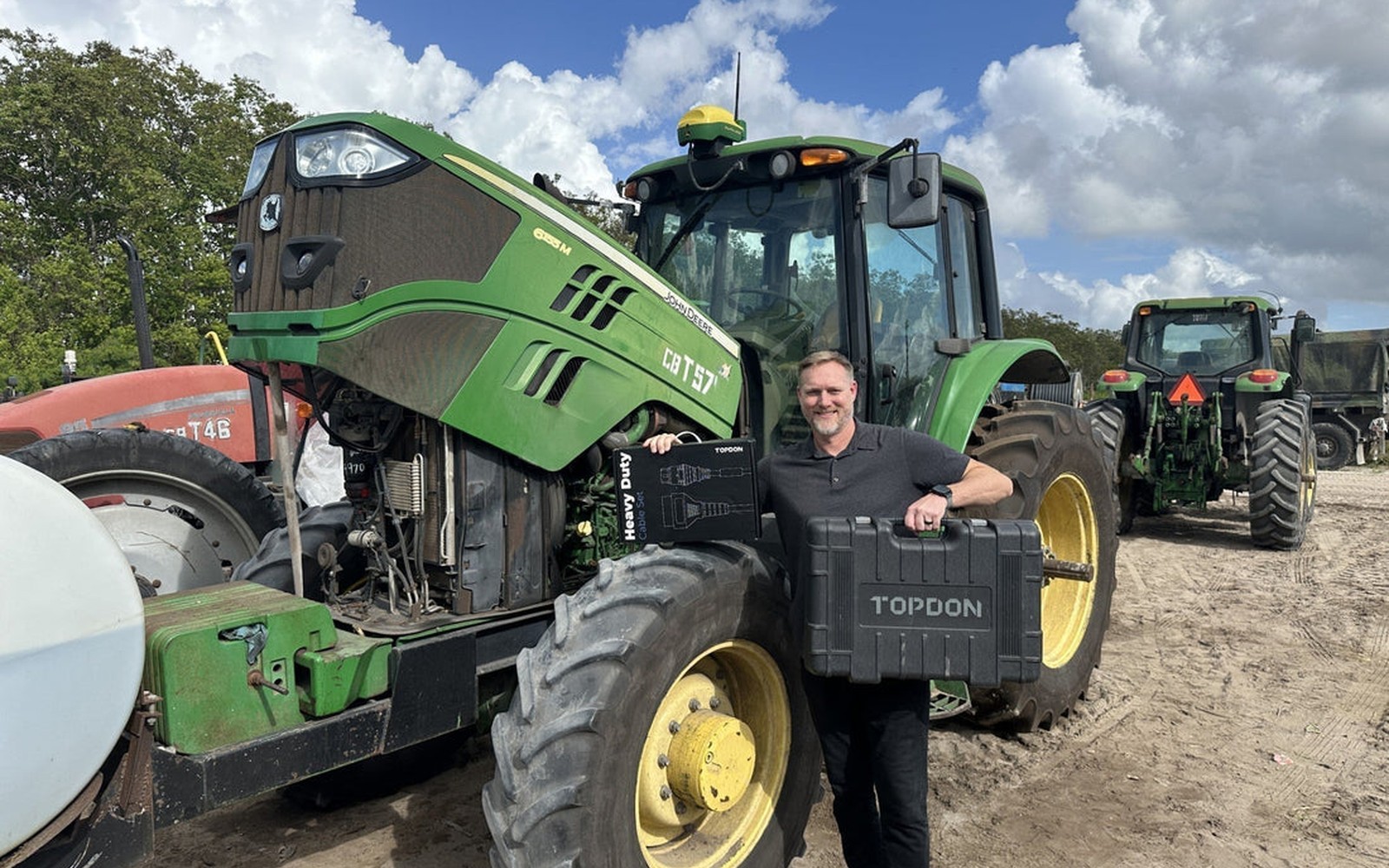
Farm equipment leasing keeps payments lower and lets you upgrade at end of term. We work with tractors, combines, sprayers, and more.
Equipment That Works for Startup Financing
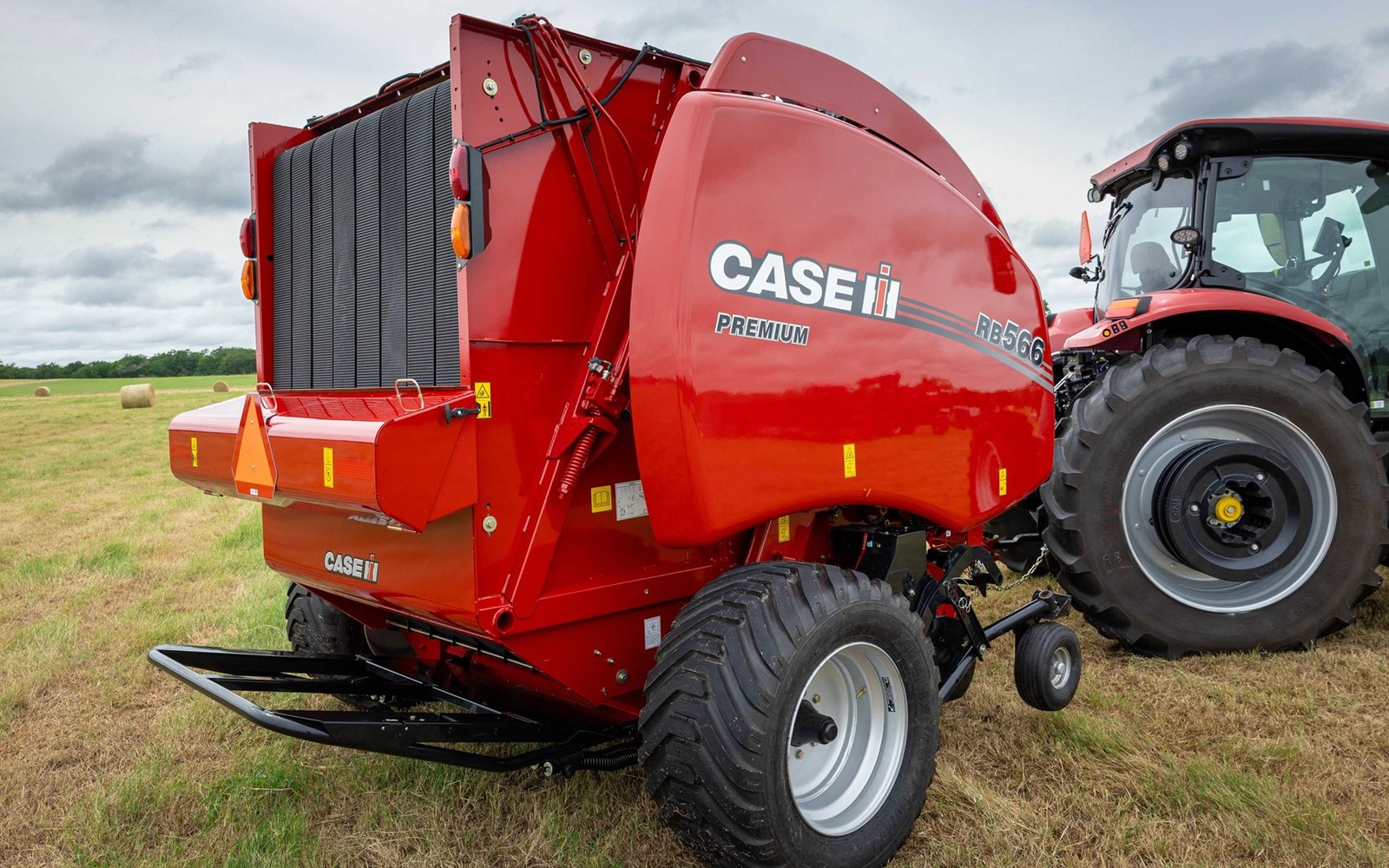
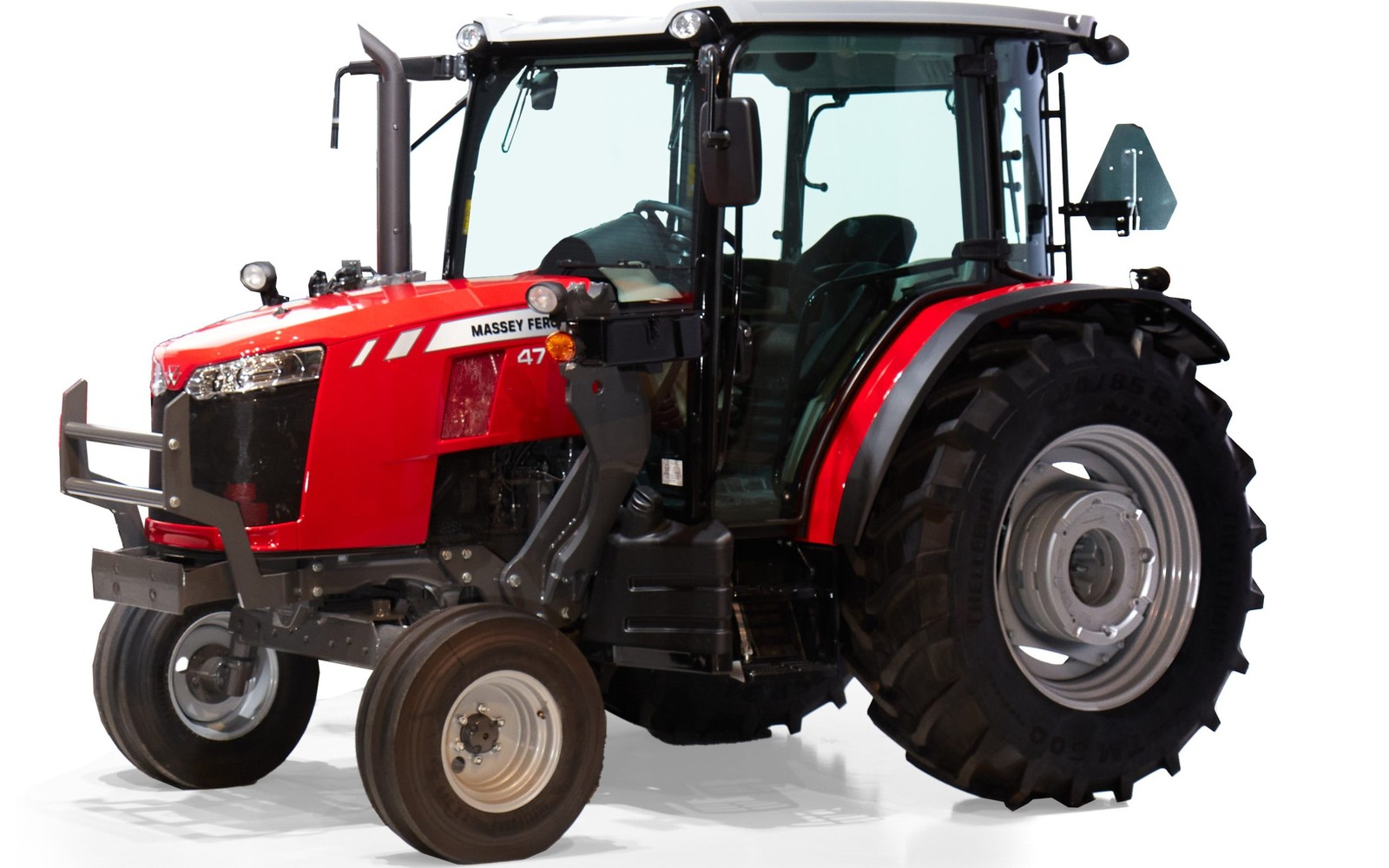
Used equipment at a meaningful down payment is often the right starting point for a new farm operation. A well-priced used utility tractor or an older model row-crop tractor with a documented service history gives the lender solid collateral at a purchase price that keeps the payment inside what early-season income can support.
Our program starts at $50,000, which means the target machine needs to be in that range or above. A strong case can be made for used machinery that is priced below retail but still shows clean hours and a service record. The down payment requirement for startup situations is typically higher than for established operators: 20 to 30 percent or more is common, because the down payment compensates for the credit history that does not yet exist.
Compact tractors and lighter implements that fall below $50,000 are generally better handled through a local agricultural lender or the manufacturer's retail financing, which often has specific first-buyer programs for smaller equipment.
Farm Refinance Questions
Yes, though the requirements are stricter. A clean personal credit profile, a meaningful down payment of 20 percent or more, and a credible picture of the operation you are building all work in your favor. We have placed startup deals for operators in their first season.
No. Many producers farm rented or leased ground and still qualify for equipment financing. What matters is that the operation is producing income or has a credible plan to do so. A lease agreement for the ground you will be farming helps document the operation.
Typically 20 to 30 percent or more for startup situations. The down payment compensates for the credit and income history that is not yet established. A larger down payment can sometimes overcome a thin credit file.
No minimum, though some lenders prefer at least one completed season. We can apply to lenders who will consider truly new-start situations. Three months of bank statements is the key requirement.
Yes, applying in parallel is a smart approach. FSA has favorable terms for beginning farmers but slower processing. We can close faster through private lenders. Whichever path comes through first gets the deal done, and having both in motion keeps your options open.
Ready to refinance this equipment?
Send the equipment list, payoff details, estimated values, and timing for a direct refinance review.
Refinance
Brands & Models
Copyright © 2026 Farm Equipment Refinance. All Rights Reserved.