
First-Generation & Beginning Farmers
Beginning farmers face the hardest equipment financing market of anyone in agriculture. We work with first-generation and beginning farmer situations.
Starting a farm without family land or family equipment to fall back on is one of the harder financial undertakings in American agriculture. The ground is expensive to buy or rent. The equipment is expensive to buy. The income doesn't come until the first crop is in, and even then it takes a year or two before the balance sheet starts to look like a real farm rather than a startup. Beginning farmers who didn't grow up on a farm with an established credit history in the business face the hardest financing market of anyone in the sector.
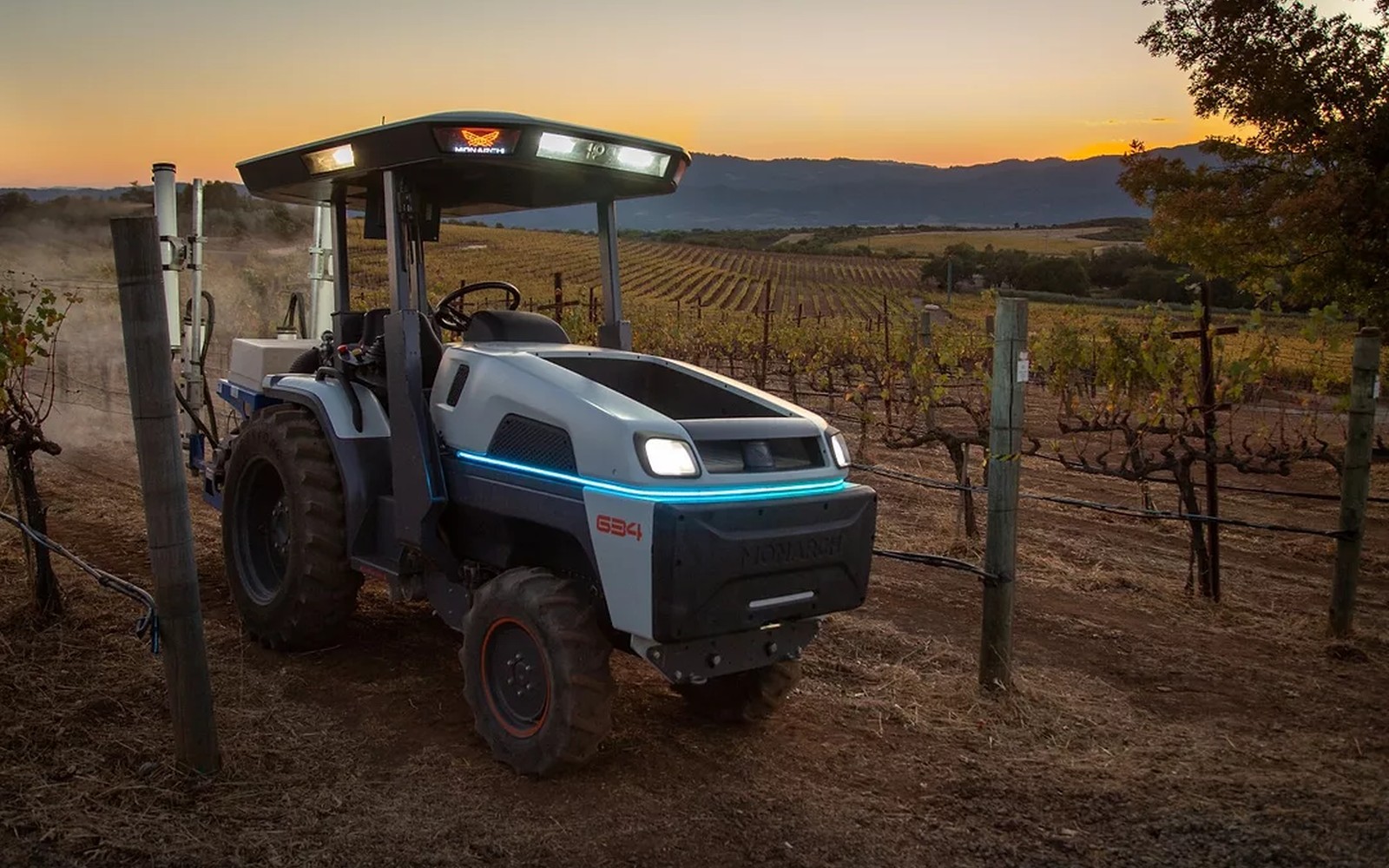
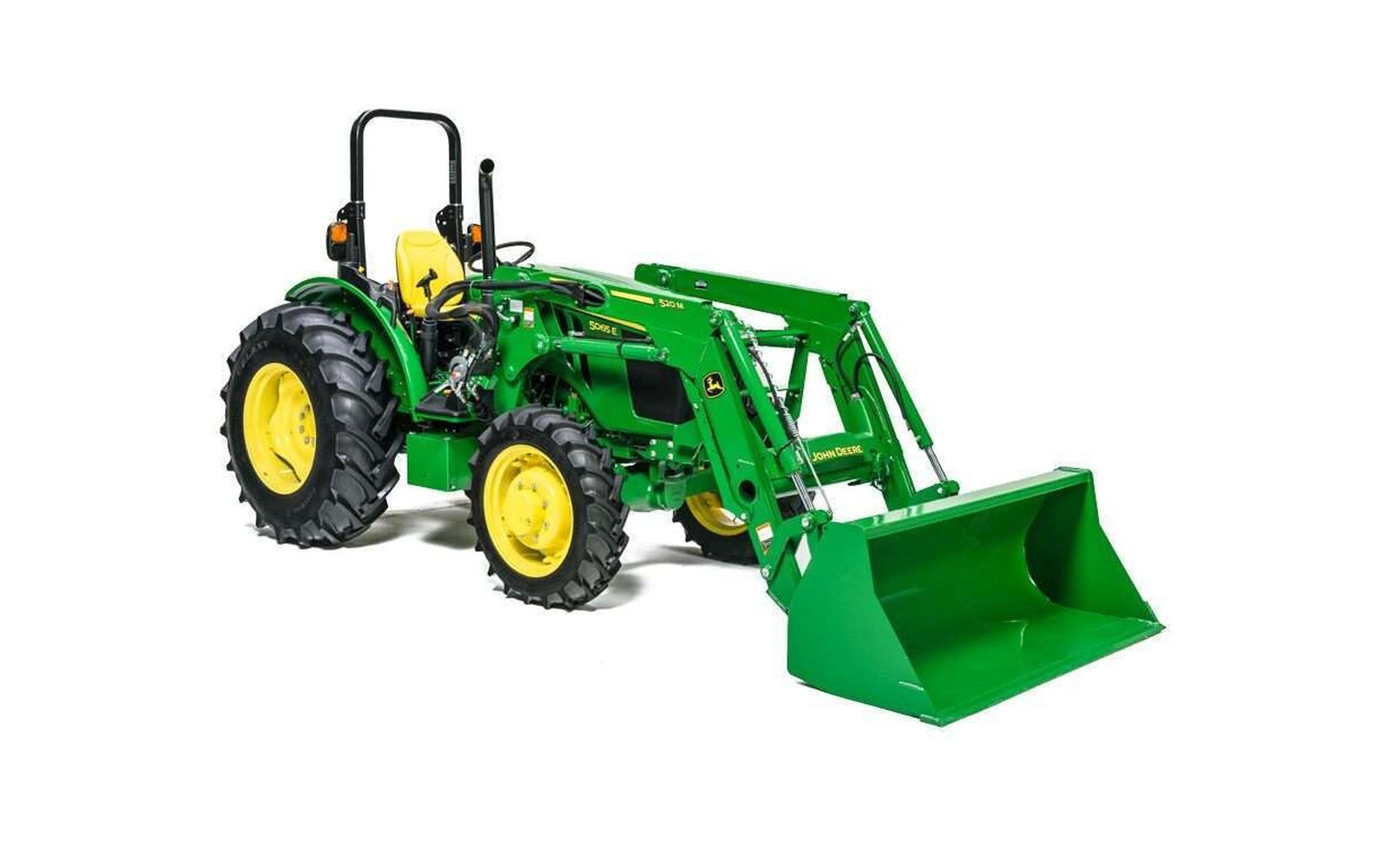
We work with first-generation farmers and beginning farmers who are trying to build something from the ground up. The first tractor, the first planter, the first step up from rented or borrowed equipment to owning the iron. These aren't the biggest transactions we see, but they're often the most important ones to the person applying. Getting that first piece of equipment financed on workable terms can be the difference between a farm that gets built and one that stays a plan.
The minimum deal size is $50,000. A solid used tractor or a basic used planter will typically clear that threshold. Beginning farmers almost always work in the used equipment market, which is the right call for cost control in the early years, and used equipment financing is core to what we do.
Beginning Farmer Situations We Work With
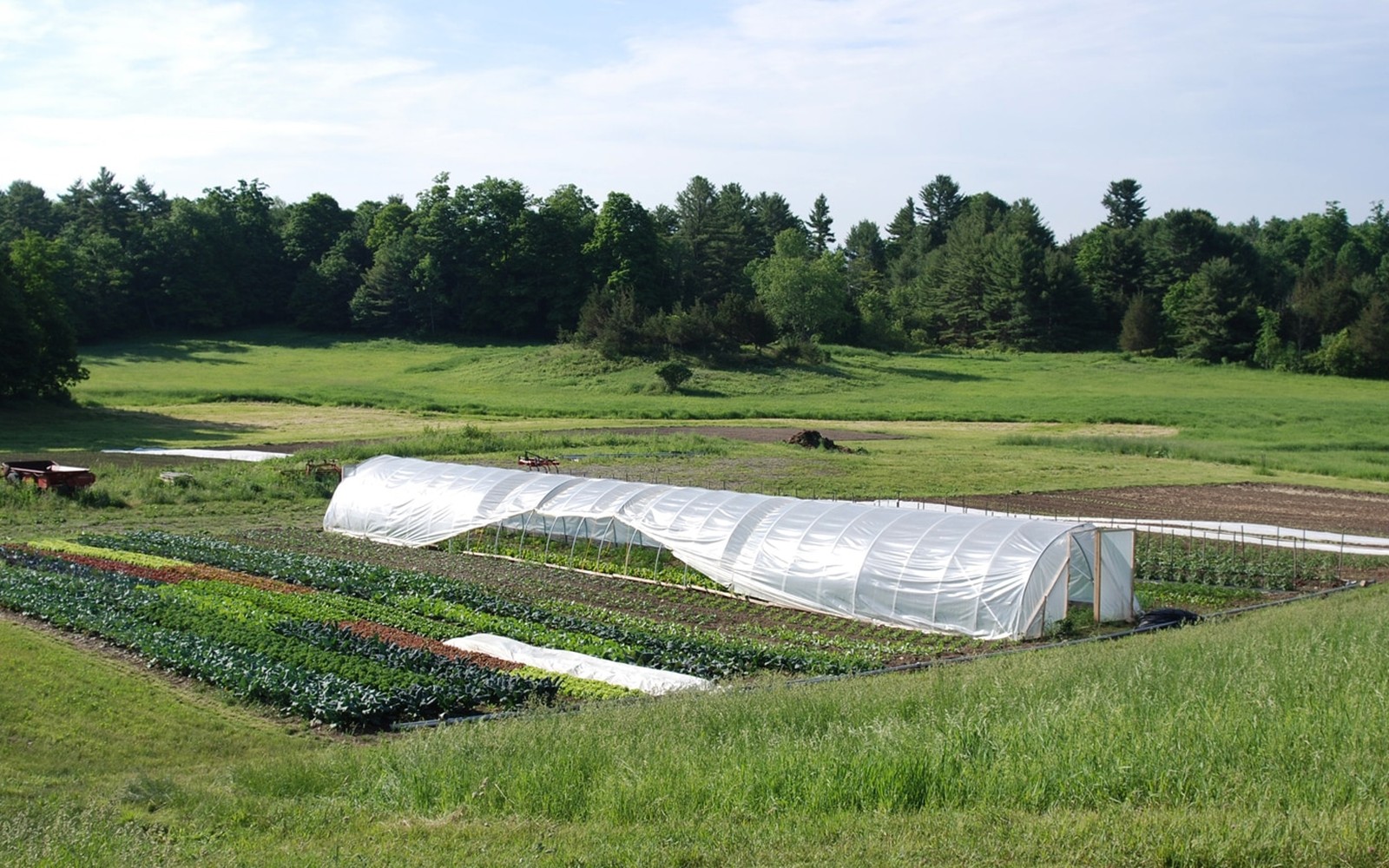
The term beginning farmer covers a range of situations, each with its own challenges.
- First-generation farmers with no family farm background who are starting from scratch on rented ground
- Veterans using farm ownership programs to transition from military service into agriculture
- Young operators who grew up on a farm but are now starting their own operation separate from the family place
- Non-farm professionals who have bought or rented ground and are building their first real farm from outside the industry
- Beginning farmers who have a USDA FSA Beginning Farmer loan and need equipment to go with the land
- Operators who have been farming part-time for a few years and are now trying to go full-time and need to get out of custom hire for their own equipment
Each of these situations looks different on paper, and we evaluate them individually rather than running every beginning farmer through the same checklist.
Farm Operations
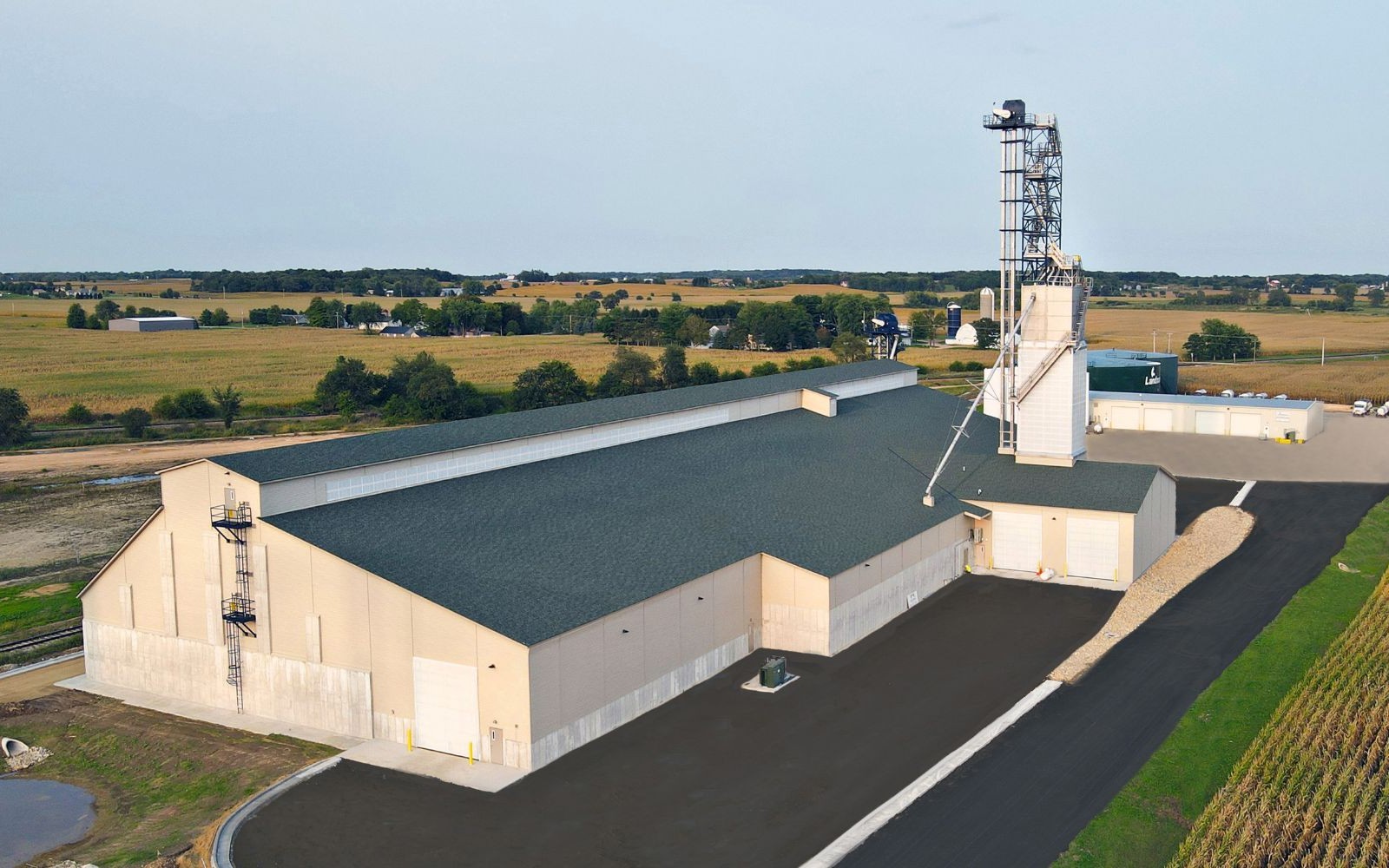
Agribusiness & Co-Ops
Agribusinesses and agricultural co-ops run equipment that serves both their own operations and their member producers. We finance and.
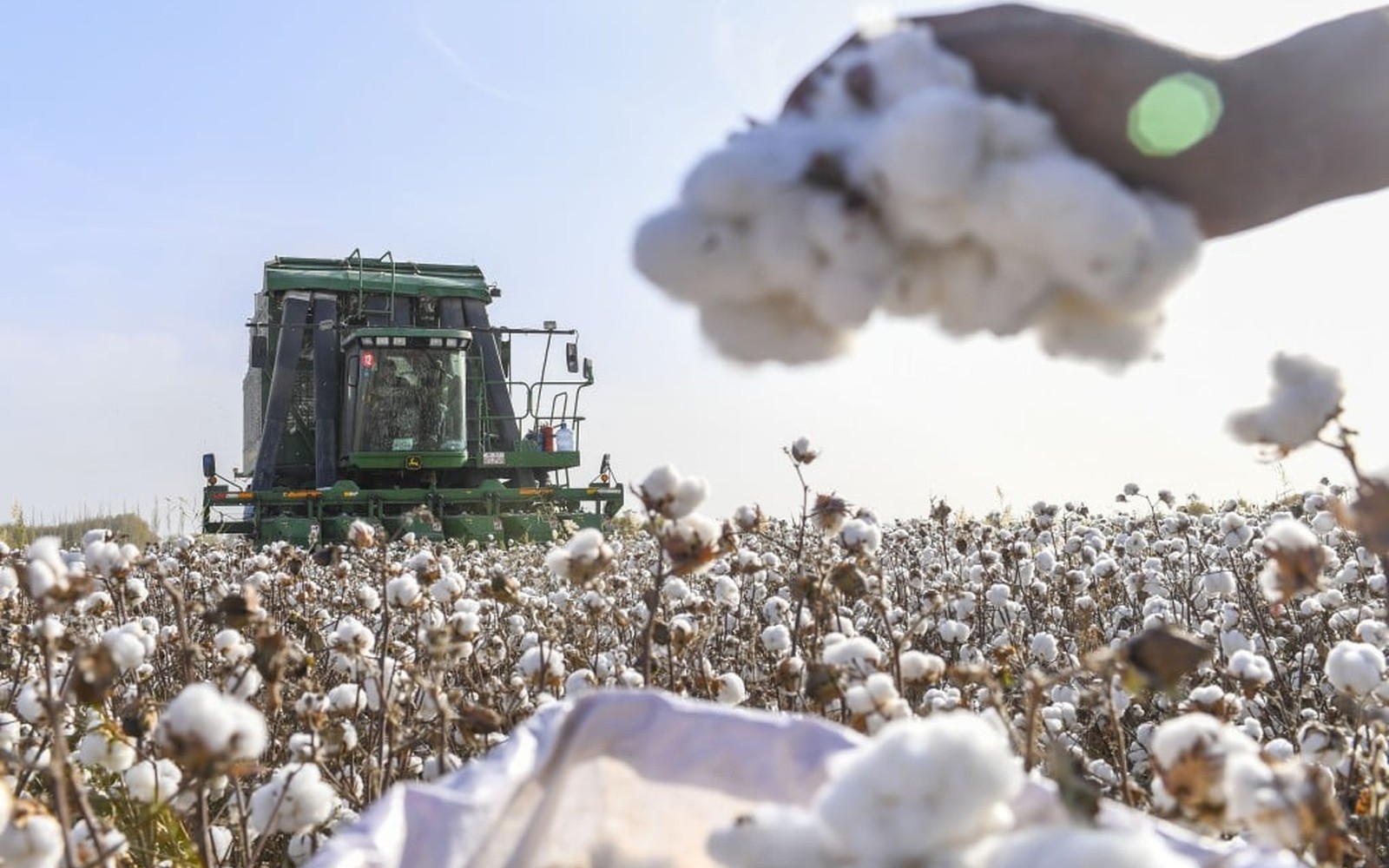
Cotton Farms
Cotton producers carry some of the highest per-acre equipment costs in American agriculture. We finance and refinance pickers, strippers.
Farm Equipment Dealers
Farm equipment dealers can offer customers alternative financing paths through us when manufacturer finance doesn't fit. We work with.
How Beginning Farmer Financing Works
The honest truth about beginning farmer equipment financing is that it's harder than financing for an established operation, and we won't pretend otherwise. Lenders look for income history, and beginning farmers don't have much of it in the business. They look for balance sheets with equity, and beginning farmers are often starting thin. They look for credit, and a first-generation farmer who has been working a job while saving to start a farm may have a decent credit profile without any farm-specific history at all.
What we look at for beginning farmers: the person's overall credit profile and financial history before farming, the quality and value of the equipment being purchased, how the income side is likely to develop, and whether there's a credible path to debt service from the planned operation.
Startup and new farm financing is a category we work with specifically. The terms may be tighter than for an established operation, the down payment may need to be higher, and the documentation may be more thorough, but for the right situation with the right asset, we can make it work.
B and C credit situations are considered even for beginning farmers. A thin credit file is different from a bad credit file, and a first-generation farmer with a clean personal credit history and a clear-eyed business plan is a workable applicant.
Application-only financing for smaller equipment costing on the order of $50k to $100k may be available for beginning farmers with strong personal credit. This is the fastest path for a first equipment purchase if the credit picture supports it.
Farm Refinance Questions
Two years of farm income is more than zero, and combined with your personal financial history and the quality of the asset, it may be enough to work with. The review will look at everything together rather than requiring a specific number of years of farm history.
Having an FSA loan doesn't disqualify you from equipment financing. The total debt service across both obligations is part of the review, but it's a workable situation for many beginning farmers who have land financing in place and need equipment to go with it.
We work with veteran beginning farmers the same way we work with any beginning farmer. If you have a VA or FSA veteran farmer program loan or down payment assistance in place, that can be part of the overall picture we evaluate. We don't have a separate veteran-specific program but we understand the situation.
Rented ground operations are fine. Land ownership is not a requirement for equipment financing. Many beginning farmers rent all their ground for the first several years, and equipment on rented ground finances the same way as equipment on owned ground.
A quality used tractor or utility machine costing on the order of $60k to $100k is often the most realistic starting point. The equipment needs to hold value, be in good condition, and meet the minimum deal size. A well-maintained used tractor from a dealer or estate sale in that range is a workable first transaction.
Ready to refinance this equipment?
Send the equipment list, payoff details, estimated values, and timing for a direct refinance review.
Refinance
Brands & Models
Copyright © 2026 Farm Equipment Refinance. All Rights Reserved.