Corn & Soybean Farms
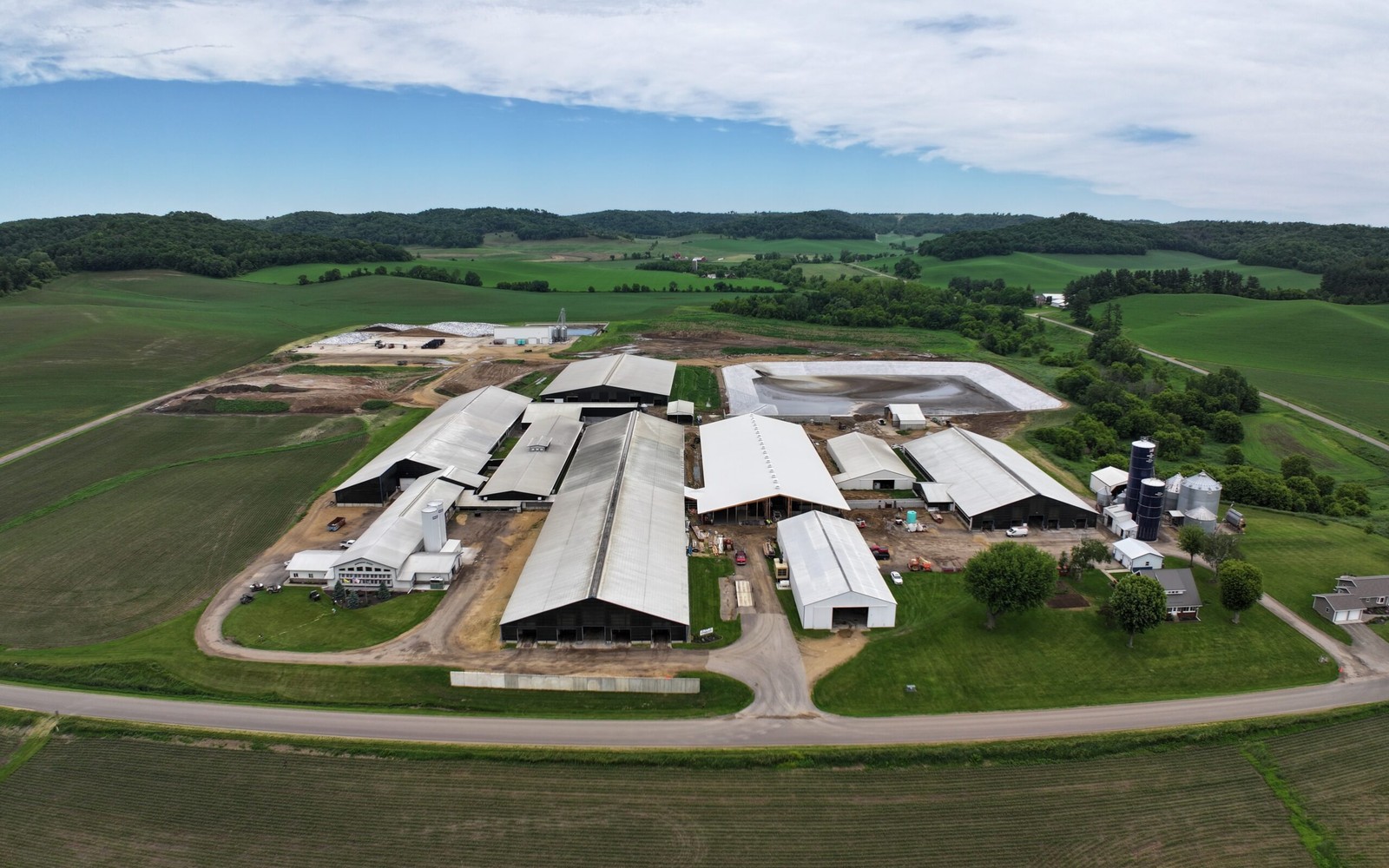
Corn and soybean producers run big iron on tight windows. We finance and refinance planters, combines, sprayers, and tractors with payment schedules that match.
Corn and soybean ground is where most of the farm equipment financing in the Midwest gets done, and for good reason. The equipment list is long, the ticket prices are high, and the window for getting work done is short. A planter that needs a hydraulic repair on May 5th isn't just a repair bill, it's acres that miss the optimal window. A combine that goes down on September 20th is bushels sitting in the field during the best harvest weather of the year.
We work with corn and soybean producers across Iowa, Illinois, Indiana, Ohio, Minnesota, Nebraska, Missouri, and Kansas. Single-operator farms and large multi-county operations. New equipment coming off a dealer lot and used iron changing hands between neighbors. The transaction might be a $120,000 used combine or a $400,000 new planter with all the precision technology. Both of those fit what we do.
The grain check comes at harvest. The seed invoice came in February. The rent check went out in March. Managing those timing gaps is half the job of running a corn and soybean farm, and the equipment payment schedule ought to be part of that management, not a fixed obligation sitting on top of everything else.
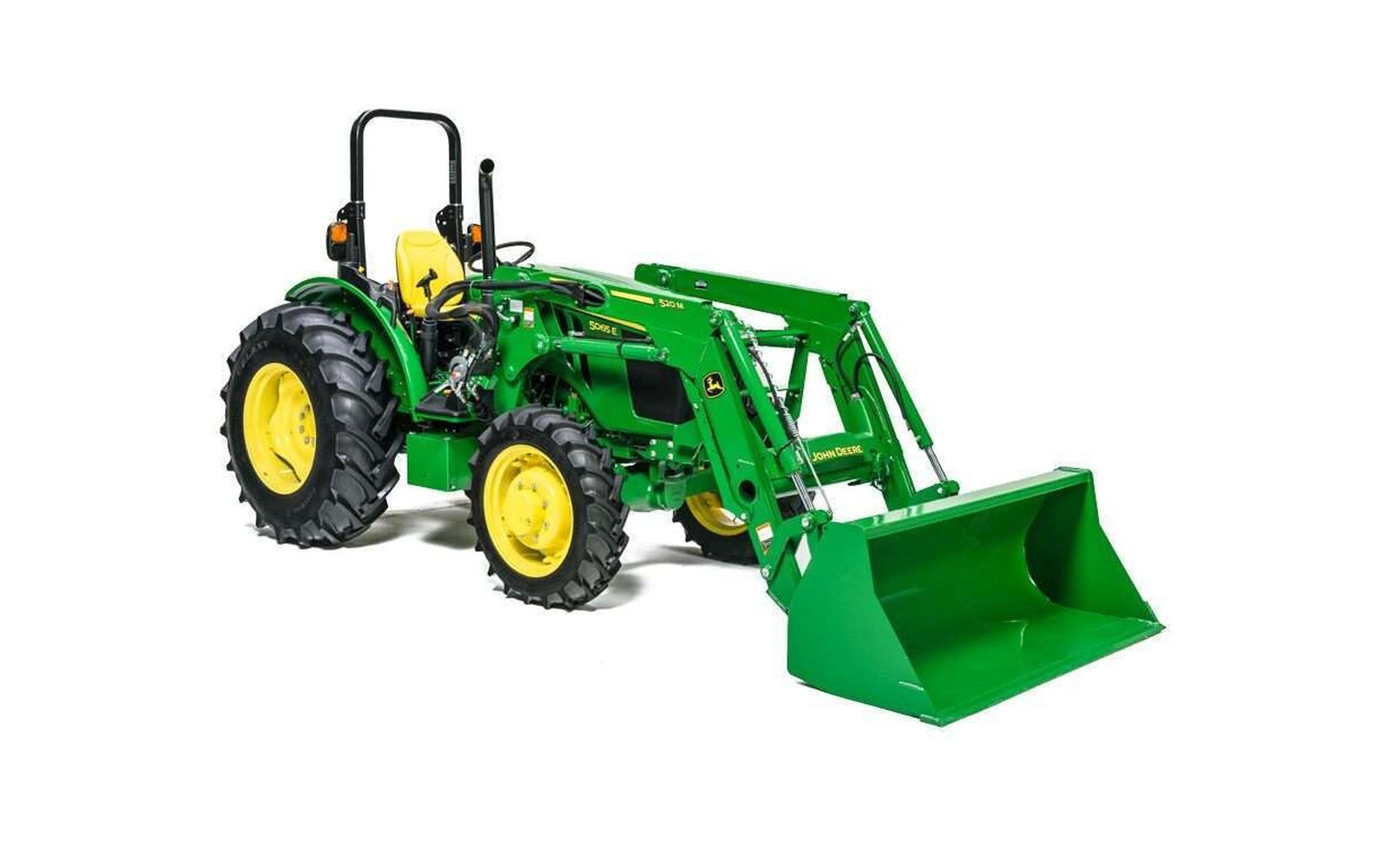
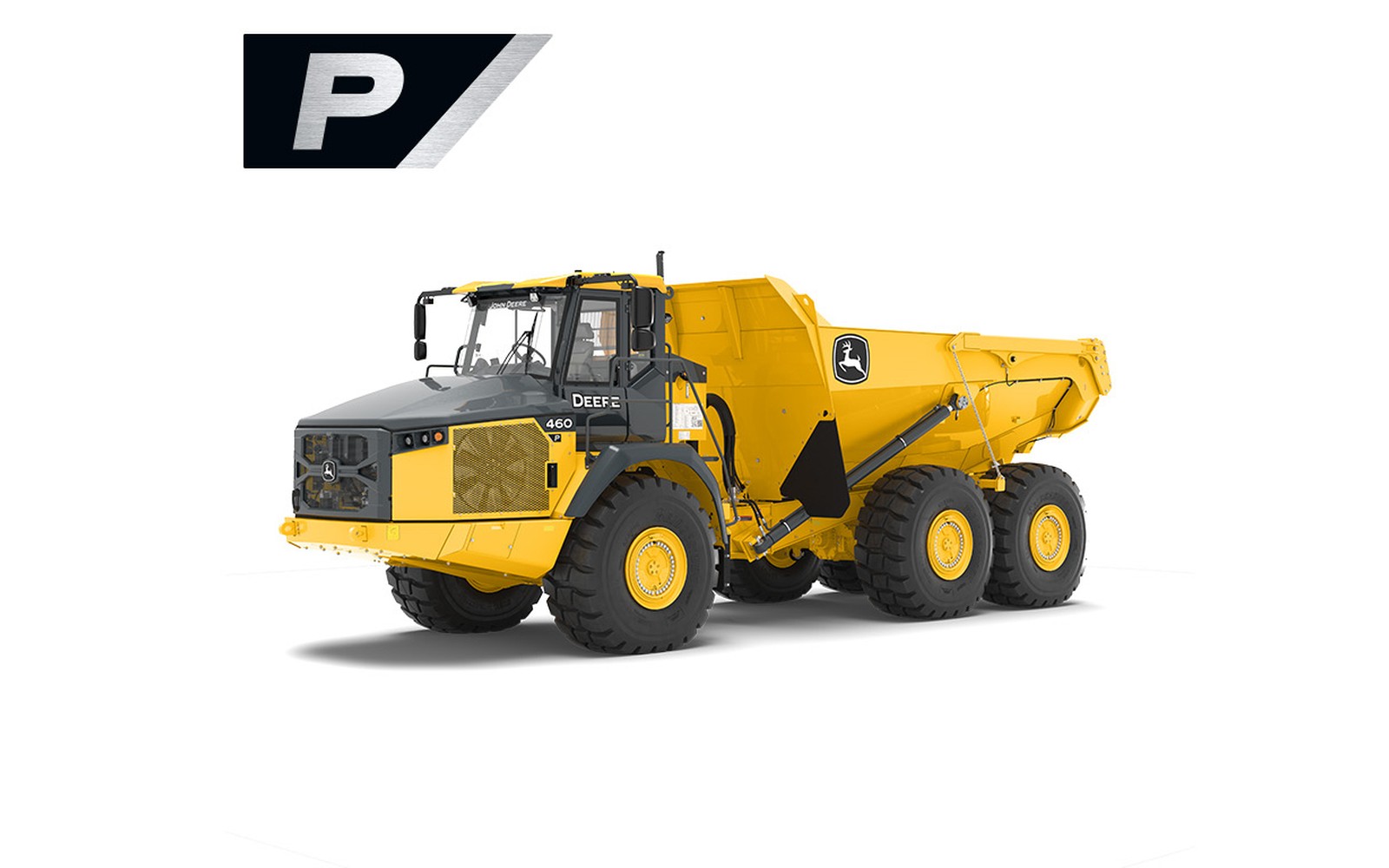
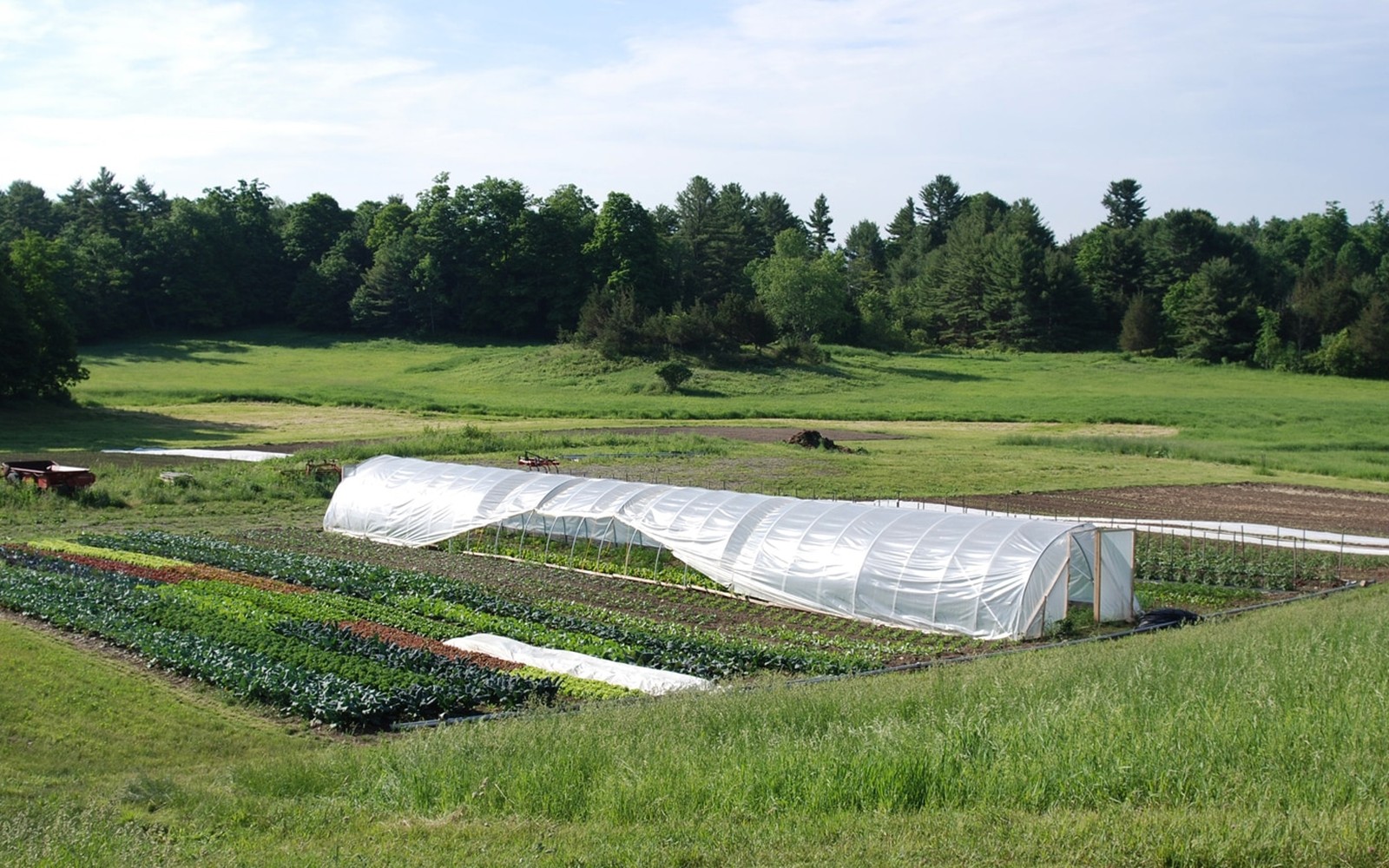
Equipment That Corn and Soybean Farms Finance Most
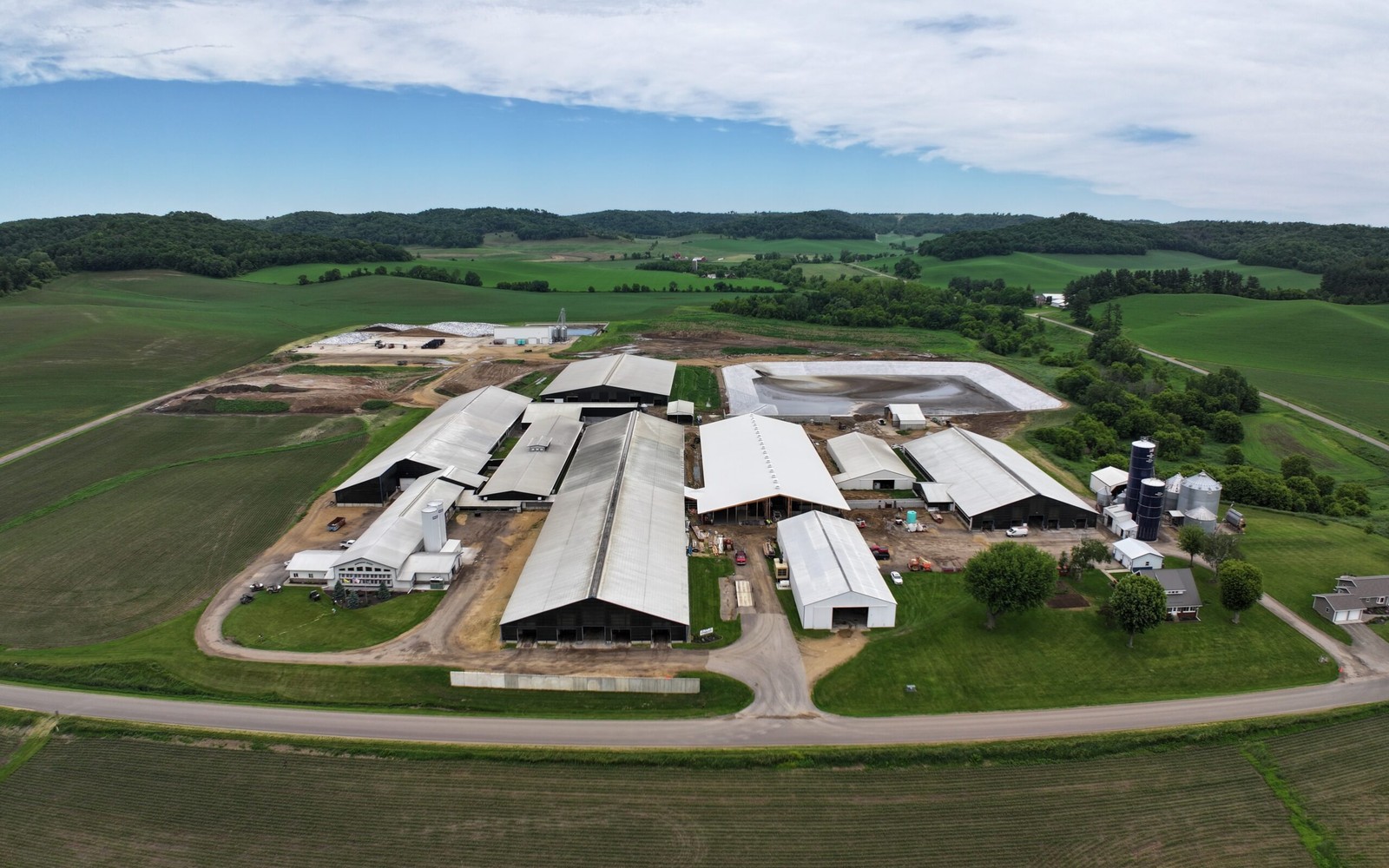
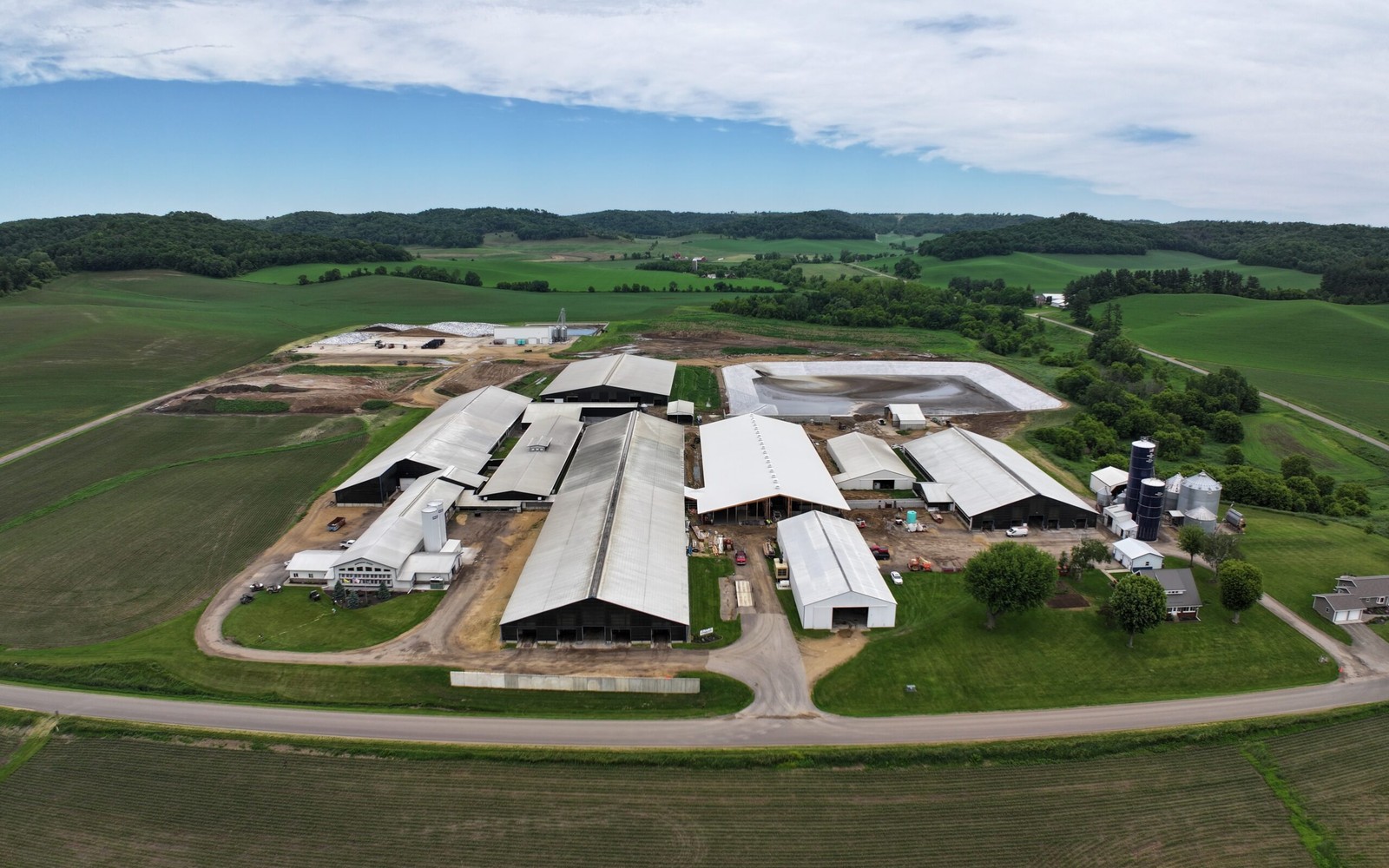
The iron list for a corn and soybean operation covers a lot of ground. Here's where the financing conversations usually start.
Combines and heads. The combine is typically the most expensive single asset in the fleet. A current-model large-frame combine runs well into six figures new, and recent-year used machines hold value well. Grain combines for corn and soybean work run corn heads in the 8-row to 16-row range and flex or draper headers for beans. Draper and flex headers for soybeans add cost on top of the combine itself, and they're often financed together or as a package.
Planters. A 24-row or 48-row planter with individual row clutches, electric drive, and downforce monitoring is a precision tool as much as a field machine. Planters in this configuration carry price tags that justify their own financing rather than being lumped into a general line of credit.
Sprayers. Most corn and soybean operations apply herbicide, fungicide, and foliar nutrients from a self-propelled sprayer. The sprayer covers every acre multiple times a season and is one of the more hours-intensive assets in the fleet.
Tractors. Row-crop tractors in the 250 to 350 horsepower class pull planters and handle fall tillage. They often carry the most accumulated hours of any asset and can still support refinancing or a new-money loan if they're in decent condition.
Grain handling. Grain carts and grain bins and drying systems are part of the corn and soybean infrastructure. Both qualify for equipment financing, and drying systems in particular can represent a significant capital outlay.
Farm Operations
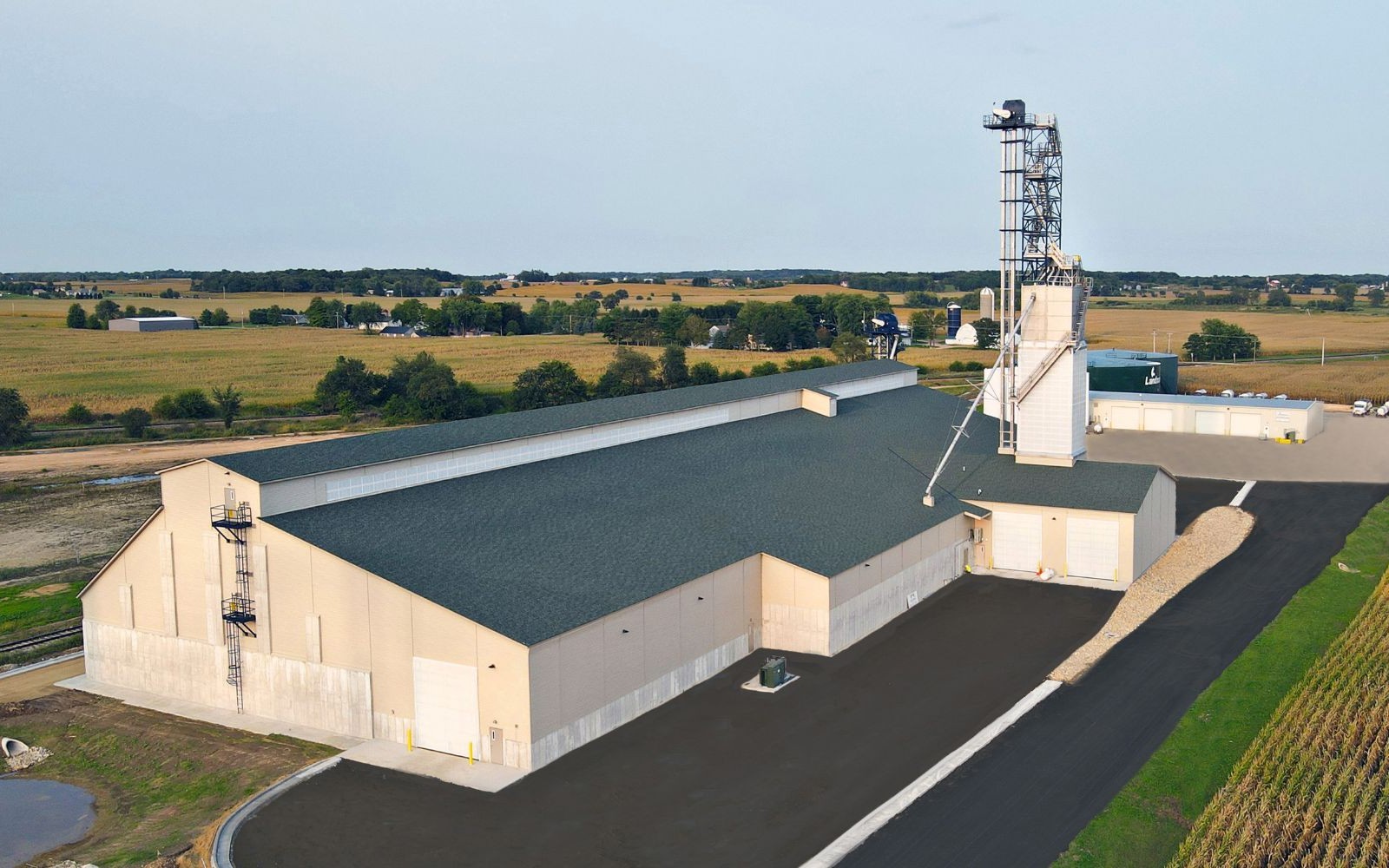
Agribusiness & Co-Ops
Agribusinesses and agricultural co-ops run equipment that serves both their own operations and their member producers. We finance and.
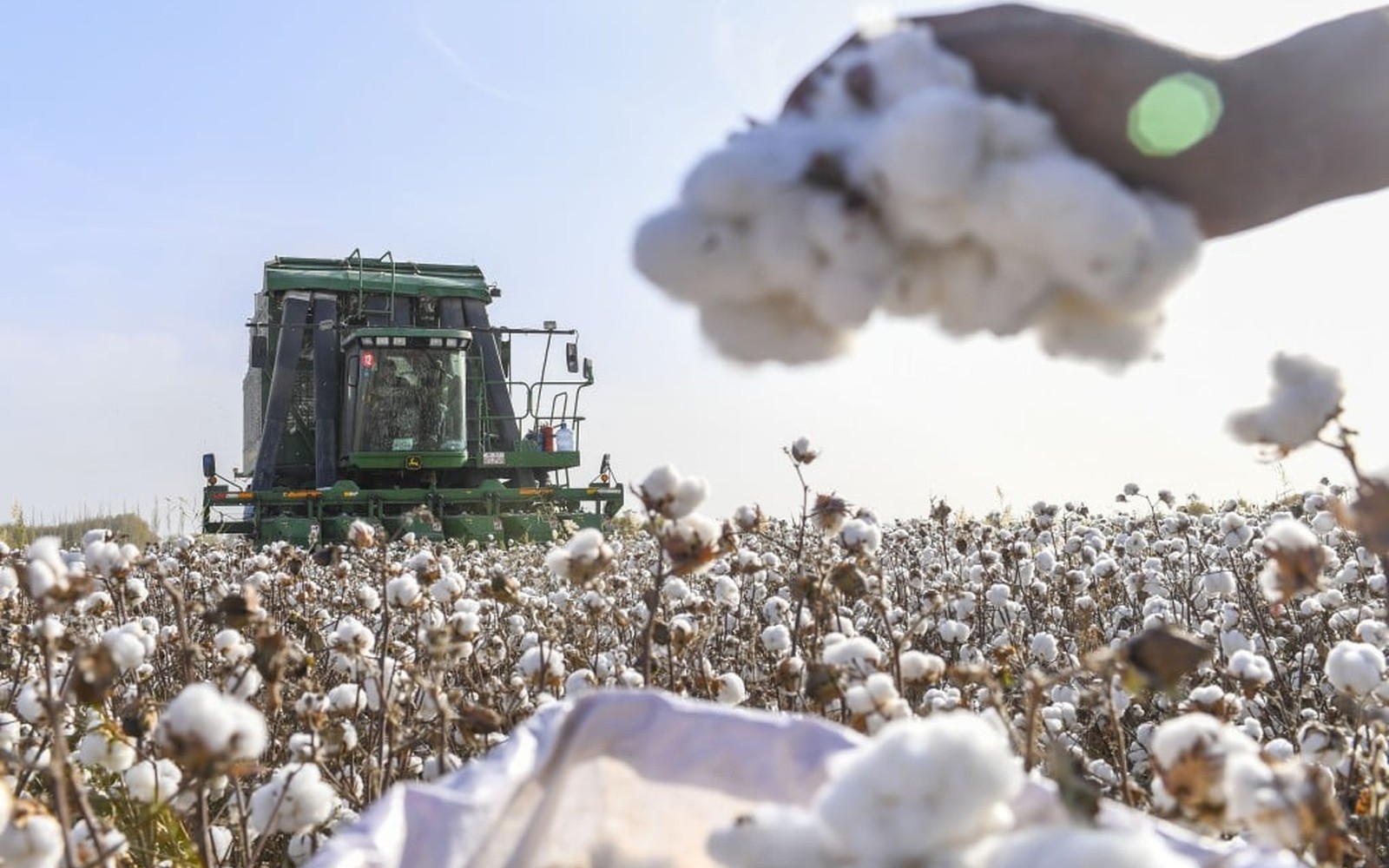
Cotton Farms
Cotton producers carry some of the highest per-acre equipment costs in American agriculture. We finance and refinance pickers, strippers.
Farm Equipment Dealers
Farm equipment dealers can offer customers alternative financing paths through us when manufacturer finance doesn't fit. We work with.
What the Terms Actually Look Like
Equipment financing for corn and soybean operations is not one-size. The deal depends on the asset, the age and condition of the machine, the creditworthiness of the operation, and the structure that makes cash flow work for the producer.
For most transactions costing on the order of $100k to $400k, the process starts with an application and may require as little as three months of bank statements. Deals in this range can often close in one to two weeks.
Term lengths on farm equipment typically run from three to seven years depending on the asset type and transaction structure. A newer combine with low hours might support a longer term. An older tractor going into a refinance might pencil better on a shorter payback.
Seasonal payment structures are available and commonly used by corn and soybean producers. Instead of twelve equal monthly payments, the schedule can be set so that larger payments fall after harvest settlement and lighter payments carry through planting and growing season when operating costs are running high. That kind of structure doesn't change the total amount owed, but it changes when the money leaves, and that matters a lot in a grain-margin operation.
Farm Refinance Questions
Yes. Private-party purchases are handled regularly. The machine needs to be in operable condition and the deal needs to meet the minimum size threshold. We'll need to understand the condition and hours as part of the review.
Not automatically. One or two difficult years are common in grain farming and we evaluate the full picture, including the asset quality, the operation's history, and what the cash flow looks like going forward. B and C credit situations are considered.
Yes. Seasonal payment structures are one of the most common things corn and soybean producers ask for, and they're available for most transactions. The total amount owed doesn't change, but when it's paid does.
The tax treatment differs between a lease and a loan. Lease payments may be deductible as an operating expense, while a loan purchase may allow Section 179 depreciation. We recommend discussing your specific situation with a tax advisor before choosing the structure.
Most transactions are funded within one to two weeks of a complete application. For deals under roughly $400,000, we can often move faster and with minimal documentation.
Ready to refinance this equipment?
Send the equipment list, payoff details, estimated values, and timing for a direct refinance review.
Refinance
Brands & Models
Copyright © 2026 Farm Equipment Refinance. All Rights Reserved.