
Draper & Flex Header Financing
Finance draper and flex headers for soybean and small-grain harvest. Bundle with combine financing or stand-alone. Fast approvals, seasonal payments.
Soybean harvest at the right height makes a real difference in the bushels that end up in the cart versus the ones that stay on the ground. A draper header or a flex header follows the contour of the field closely enough to pick up pods that a rigid header leaves behind, and on rolling ground or fields with variable height pods, that difference adds up per acre over the course of a season. We finance draper and flex headers as standalone transactions and as part of combine financing packages, with terms that account for the fact that headers are a harvest-season asset earning all their keep in a few weeks.
Most draper and flex headers run from about $50,000 to $120,000 depending on the cutting width, the brand, and whether you're buying new or used. That range sits inside our standard program, and for headers below roughly $400,000 total deal value, we can often work on an application-only basis without pulling a full financial package.

Draper vs. Flex: What We're Looking at When We Finance Either
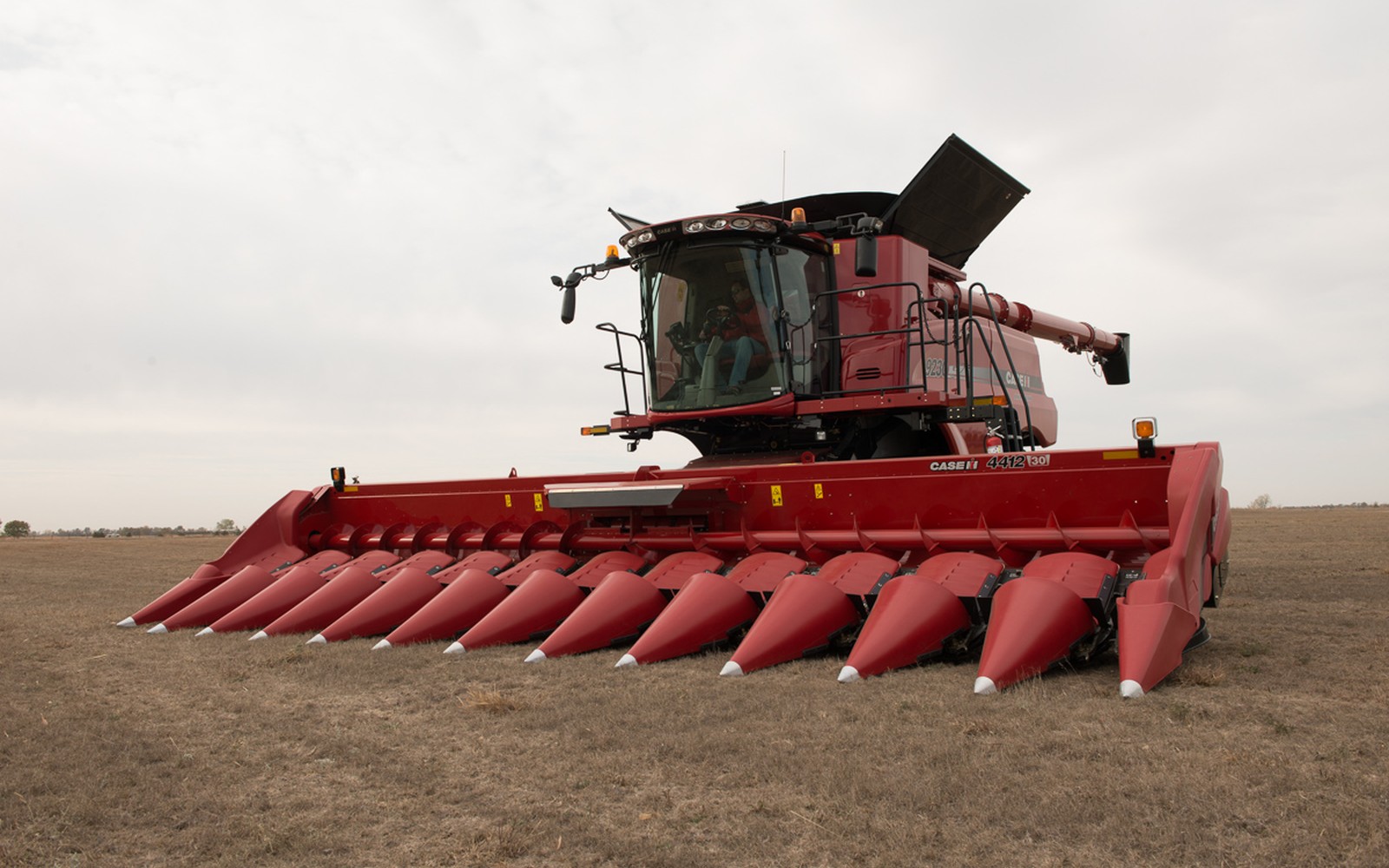
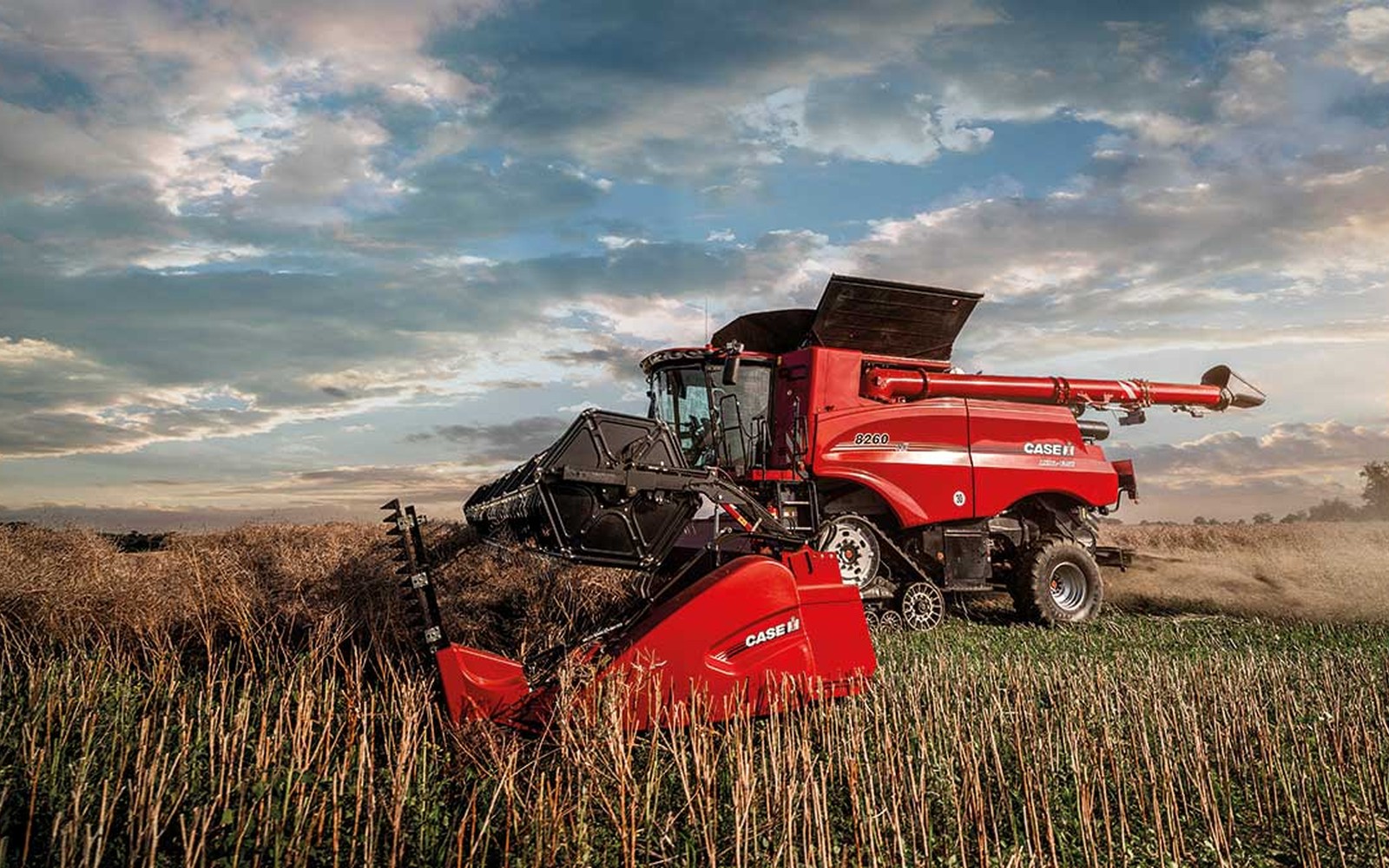
Draper headers use a moving belt system to feed crop to the feederhouse more smoothly and evenly than an auger-style platform, which reduces grain loss and slug-feeding on the combine. They're particularly popular for soybeans and winter wheat, and the wide-cut models, running 40 to 45 feet and beyond, have become standard equipment on large-acreage combines. Flex headers use a cutter bar that flexes to follow the ground contour rather than cutting a flat plane, which is the key feature for close-to-the-ground soybean and small-grain work on variable terrain.
For financing purposes, a header is a piece of capital equipment with a real secondary market. Used drapers from MacDon, John Deere, Case IH, and Honey Bee have active resale demand. A well-maintained used draper header is a bankable asset, and lenders who understand the market know that. The combine it fits, and the couplings and adapters involved, can affect the pool of potential buyers in a resale scenario, which is worth keeping in mind.
Financing a header at the same time as the combine simplifies the transaction and often results in a single installment that covers the whole outfit. If you're looking at combine financing broadly, see our combine financing page for the full picture. If it's specifically grain combines you're thinking about, the grain combine page covers that category in more depth.
Farm Equipment
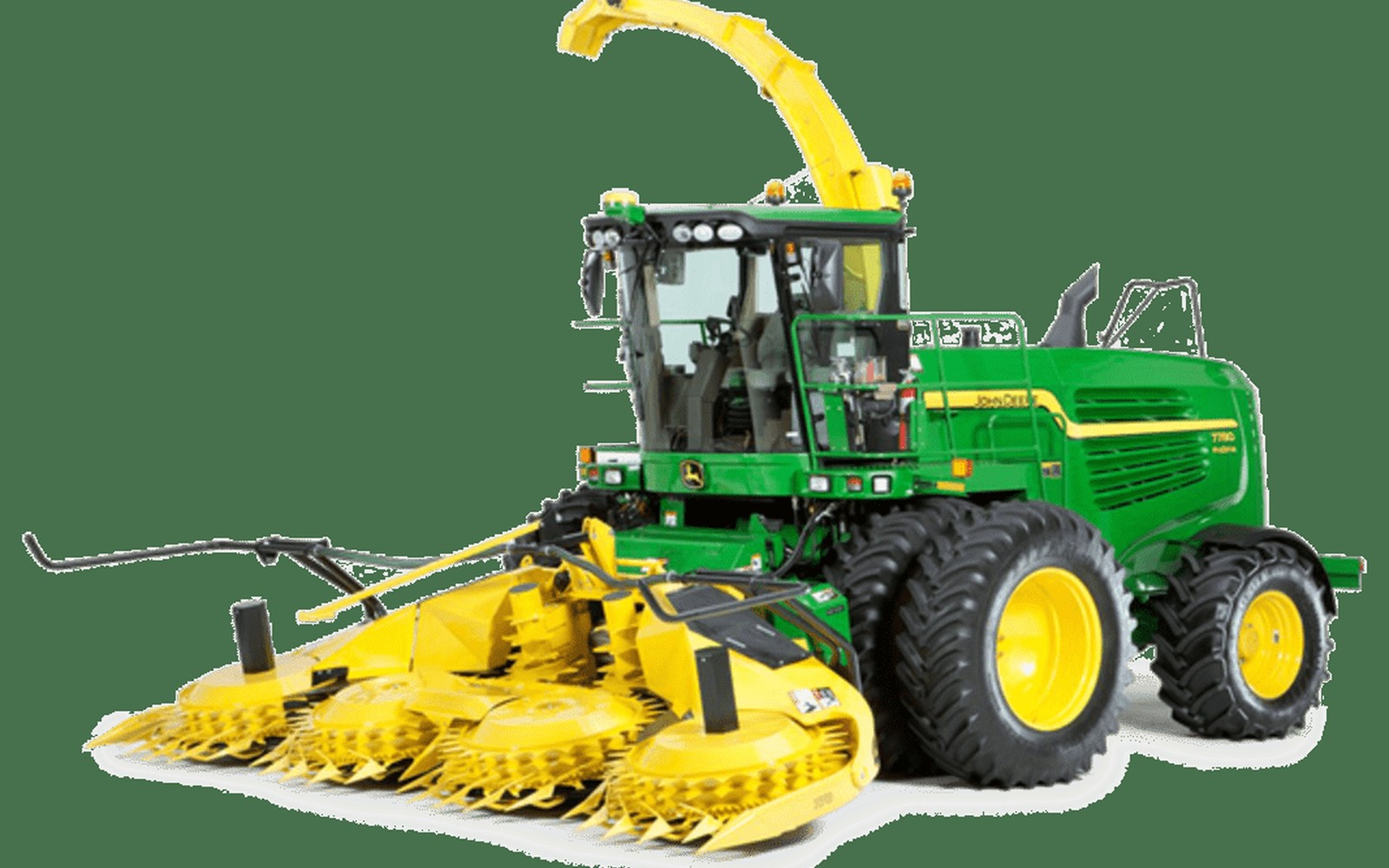
Forage Harvester Financing & Refinancing
Finance or refinance forage harvesters and choppers for dairy and beef operations. Seasonal payment options, fast approvals, B/C credit.
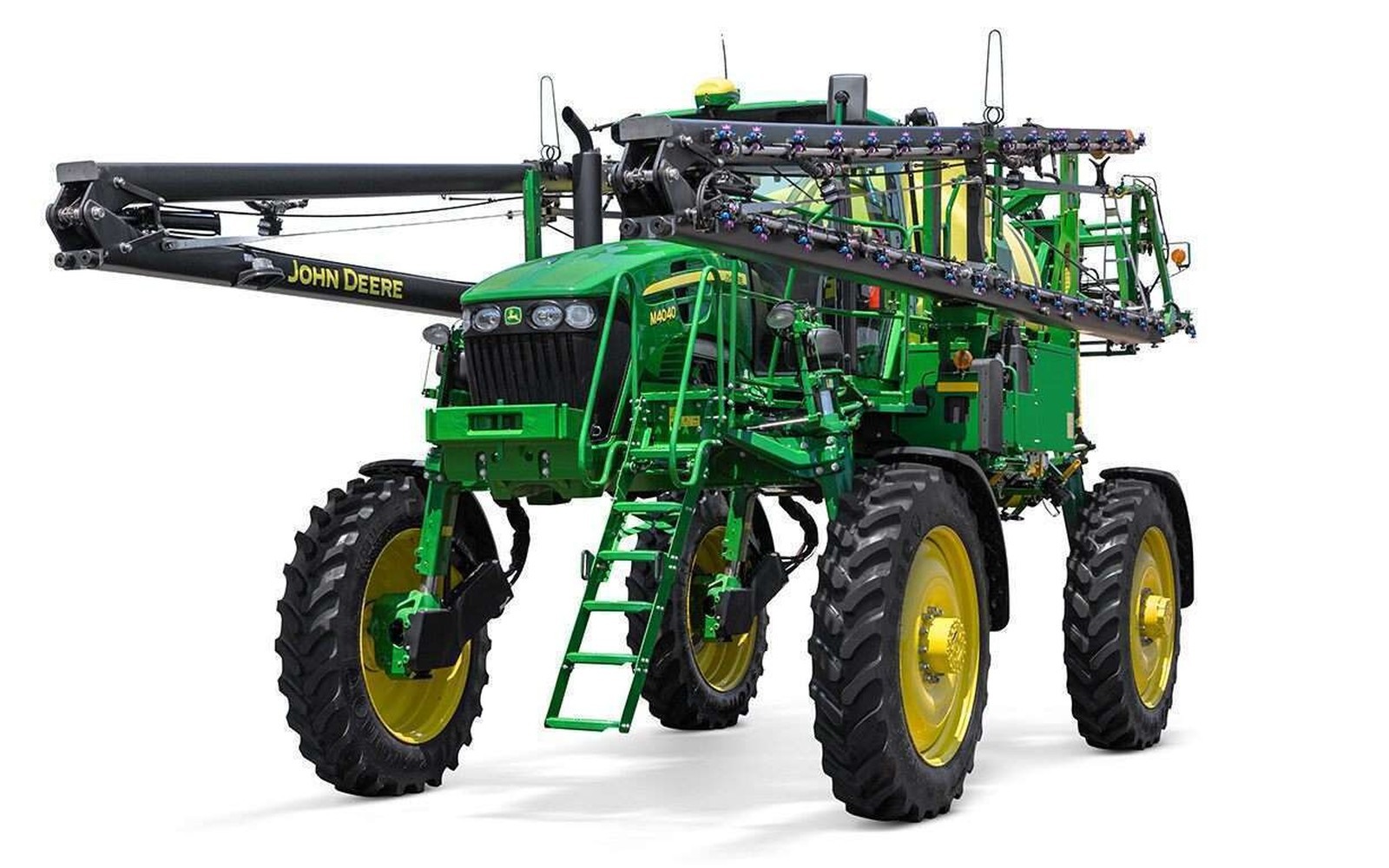
Tillage Equipment Financing & Refinancing
Finance or refinance tillage equipment including chisel plows, vertical tillage, strip-till, and subsoilers. Seasonal payments, fast.
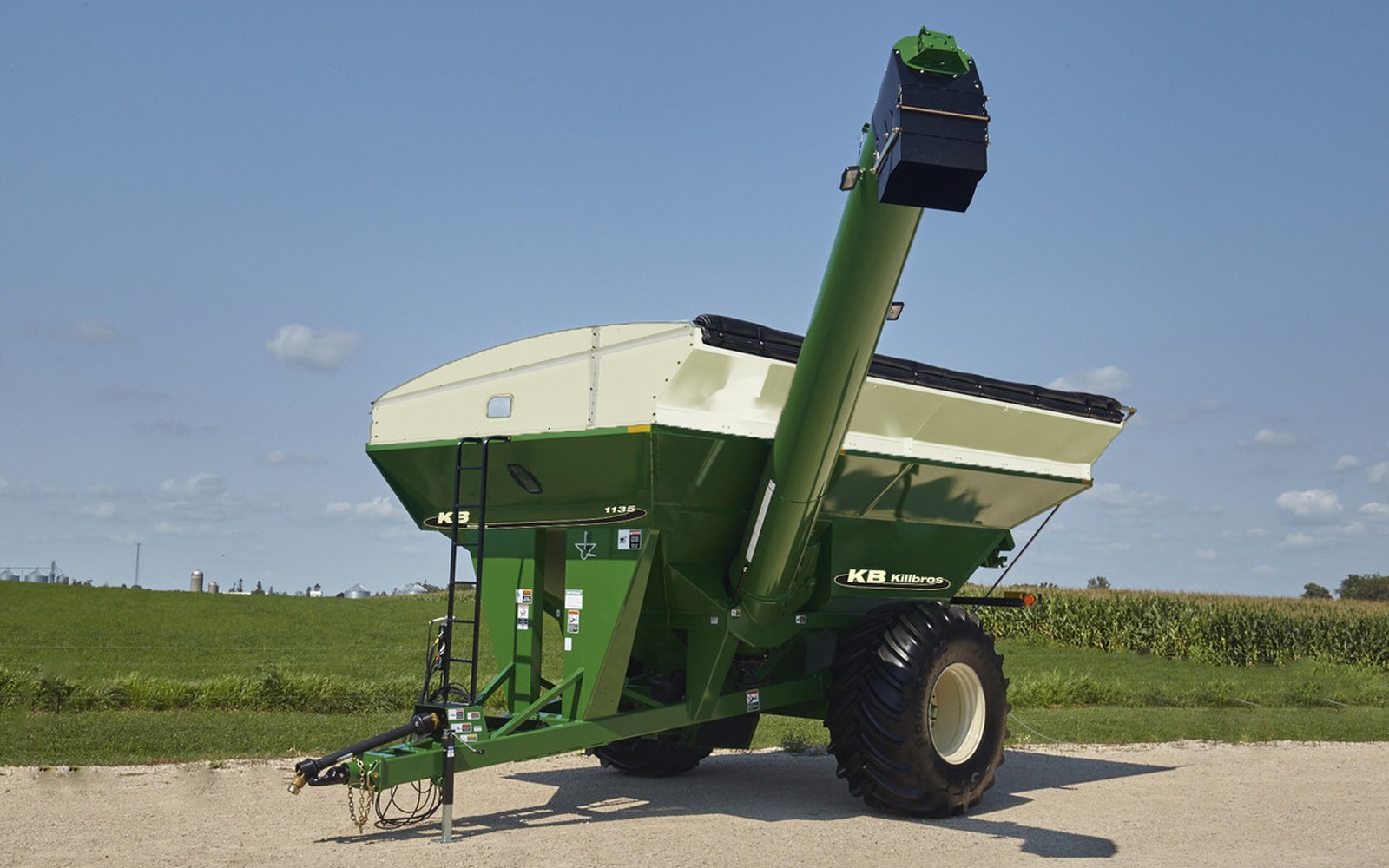
Grain Cart Financing
Finance or refinance a grain cart to keep harvest moving without bottlenecks. Streamlined file review to about $400k, seasonal payment.
How Header Financing Works
The process is the same as for any equipment we finance: application, bank statements, and depending on the deal size, possibly tax returns. For most header transactions, the application and three months of bank statements gets us where we need to be. Decision time runs one to two business days on straightforward deals, and funding is paced to the completed file.
Headers bought as private-party purchases from other farmers are something we handle. You'll need a bill of sale and some basic machine information, but the process isn't materially different from a dealer transaction. If you're buying from a neighbor who's upgrading to a wider cut, that's a normal purchase we can finance.
For soybean and small-grain operations that carry seasonal income patterns, the payment structure matters. A flex header used in October and November earns its keep in a narrow window, and the payment for it should account for that rhythm. Our seasonal payment structures allow you to align the bigger installments with harvest and carry a lighter load through the spring planting period when cash is tighter.
Farm Refinance Questions
Yes. Headers are financeable as standalone equipment. The deal doesn't require that you're also financing the combine through us, though bundling them together often simplifies the process.
Yes. If you're buying the combine and the draper header together, we can structure a single transaction that covers both, which means one payment and one set of documents.
The brand affects secondary market value and the pool of buyers who could use the equipment if it needed to be recovered. Well-known brands like MacDon, John Deere, and Case IH are clean collateral. Smaller or regional brands may require a closer look.
Terms for headers usually run from 36 to 60 months. Headers depreciate faster than combine bodies over long terms, so shorter terms tend to be better for keeping the loan balance inside the machine's value.
Refinancing a header works if the machine has sufficient remaining value to support the loan. An older header that's been maintained and still has a working life left is a reasonable candidate, though the term would likely be short.

Ready to refinance this equipment?
Send the equipment list, payoff details, estimated values, and timing for a direct refinance review.
Refinance
Brands & Models
Copyright © 2026 Farm Equipment Refinance. All Rights Reserved.