Combine Financing & Refinancing
Finance or refinance combines for grain and row-crop harvest. Seasonal payment options match harvest income. B/C credit considered. Fast funding.
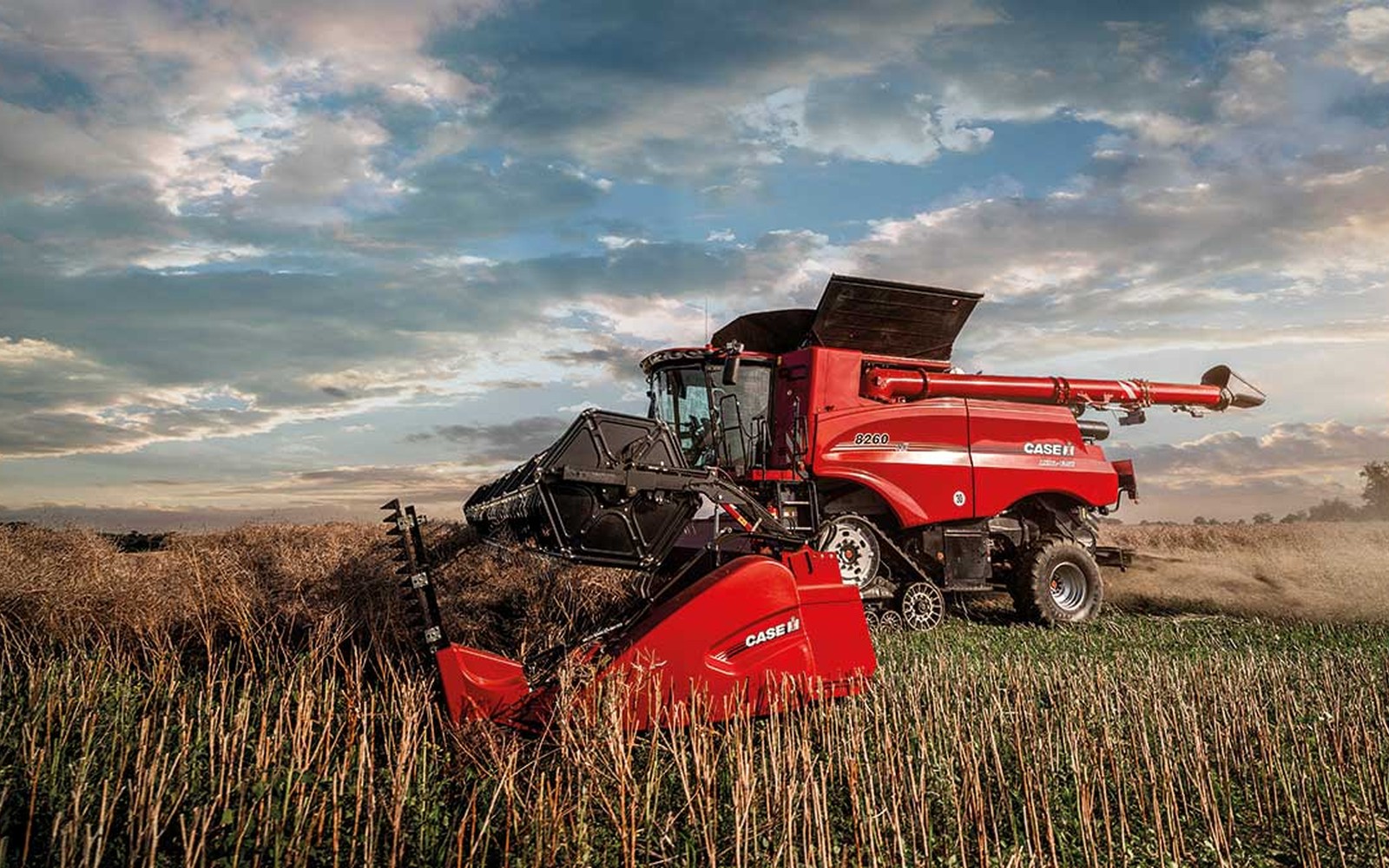
Harvest is the one time of year when everything comes together, and the combine is the machine it comes together around. A breakdown in the field during a tight harvest window costs more than the repair bill, it costs days and acres that don't come back. Financing a combine well means the payment fits the season, not a bank's payment calendar. We structure combine financing and refinancing around how harvest income actually arrives, with seasonal terms that front-load payments toward fall and give you breathing room in the months before the crop comes in.
Combines are some of the highest-value pieces of equipment on any grain farm. A new flagship combine from John Deere, Case IH, or New Holland routinely clears $500,000 with a full header package. Late-model used machines in good condition run $200,000 to $400,000. Both ranges are solidly within what we work on. We look at the whole deal, the machine's value, hours, configuration, and header complement, and structure financing that makes sense for the operation and the income pattern it runs on.

How We Look at a Combine as Collateral
A combine is a heavily used machine with a concentrated work season. Most combines put on engine hours in a six to ten week window each fall, which means annual hour accumulation varies dramatically depending on acreage and harvesting arrangement. We look at both age and hours when valuing a combine as collateral, and we pay attention to the rotor or cylinder type, grain loss monitors, and whether the machine has been through major service recently.
Header configuration matters too. A machine with a compatible draper header set up for soybeans, a corn head, and possibly a small grain header is worth more and covers more crops than a bare combine with one head. We can typically include headers in the same financing transaction as the combine body when they're part of the same purchase. See our pages on draper and flex headers and corn heads and grain headers for more on how those fit into the financing picture.
The major combine brands, John Deere S-series and X-series, Case IH Axial-Flow, New Holland CR and CX, CLAAS Lexion, and Gleaner, all have active secondary markets that support collateral values through the loan term. We're familiar with the value patterns across all of them.
Farm Equipment
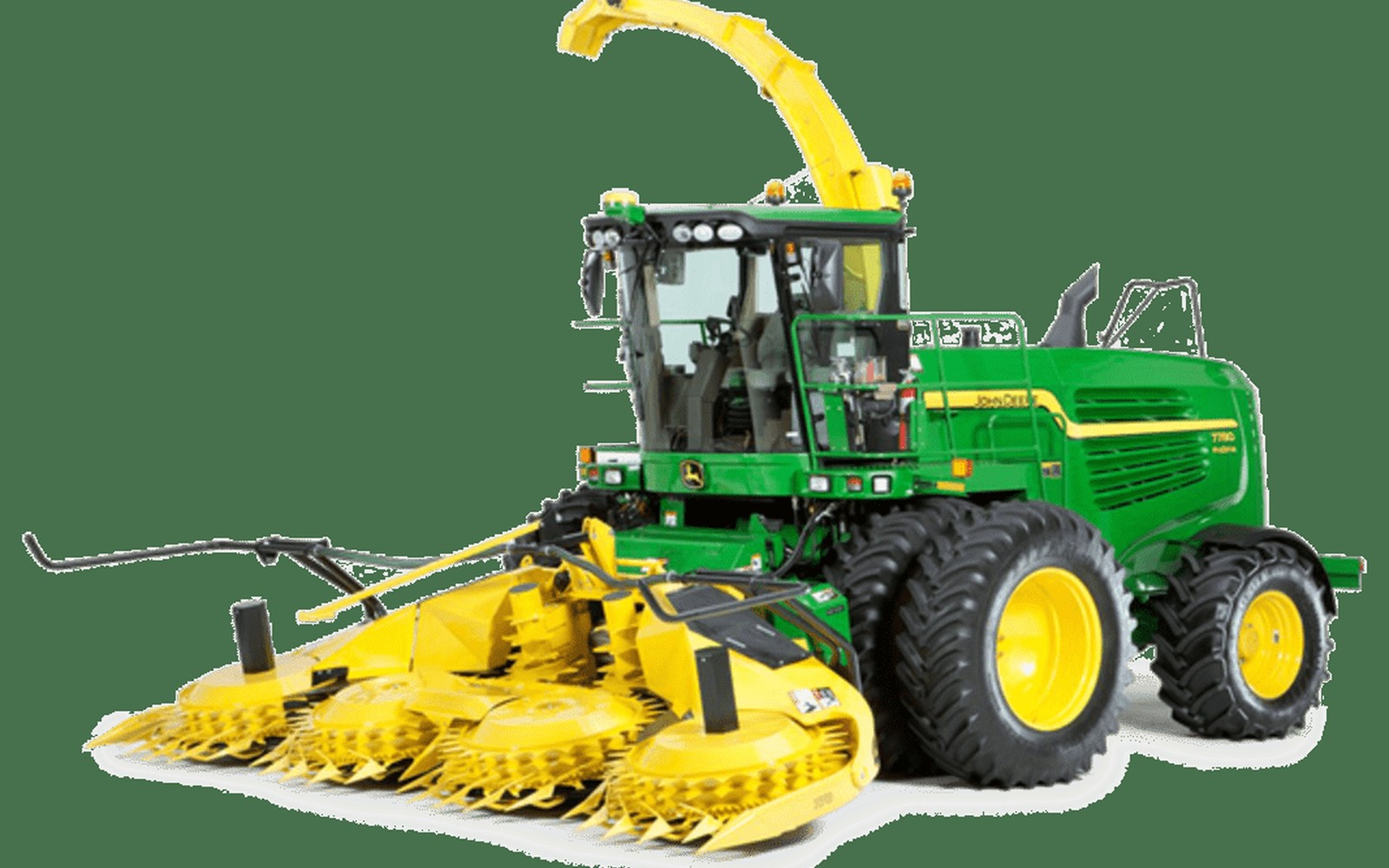
Forage Harvester Financing & Refinancing
Finance or refinance forage harvesters and choppers for dairy and beef operations. Seasonal payment options, fast approvals, B/C credit.
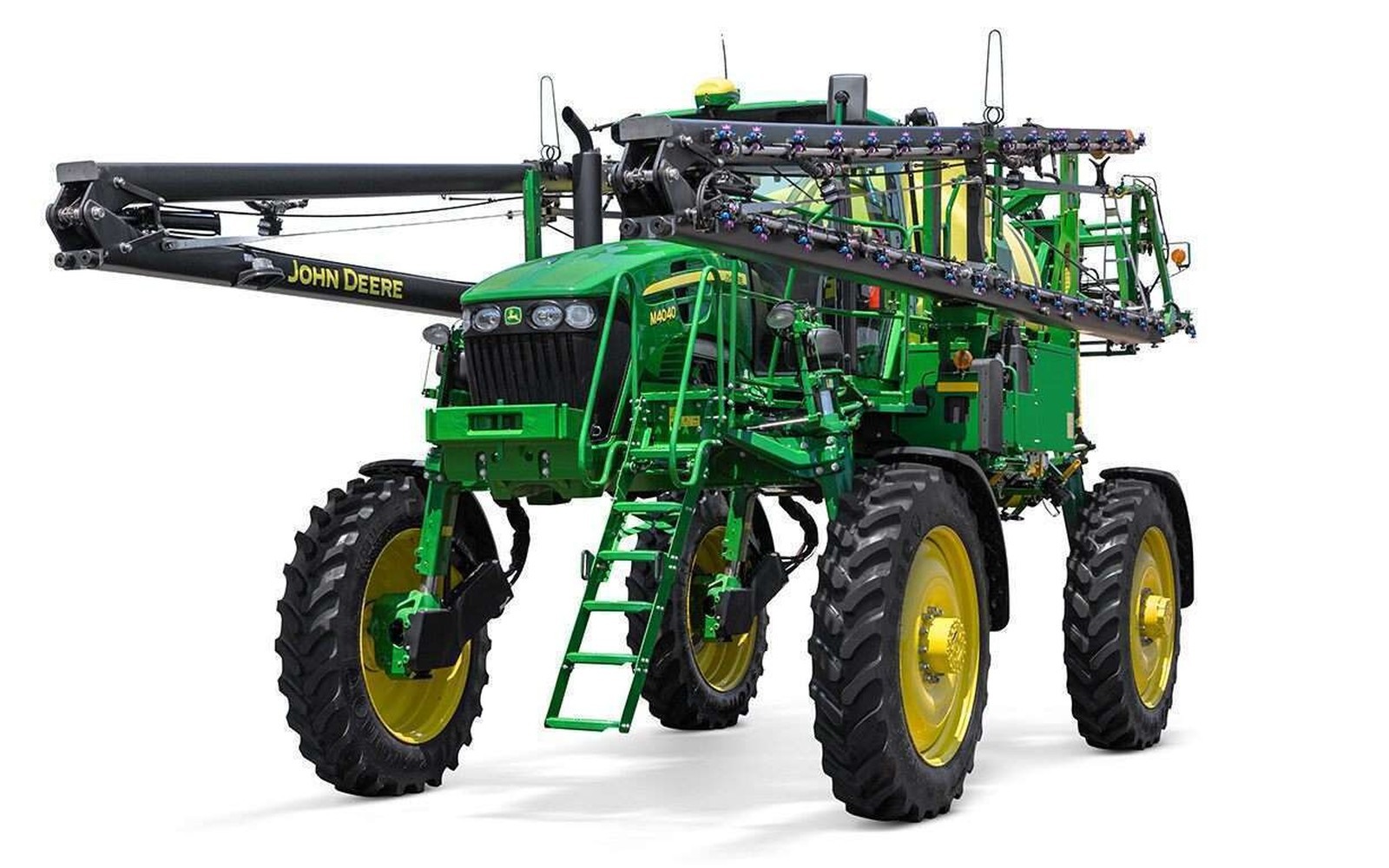
Tillage Equipment Financing & Refinancing
Finance or refinance tillage equipment including chisel plows, vertical tillage, strip-till, and subsoilers. Seasonal payments, fast.
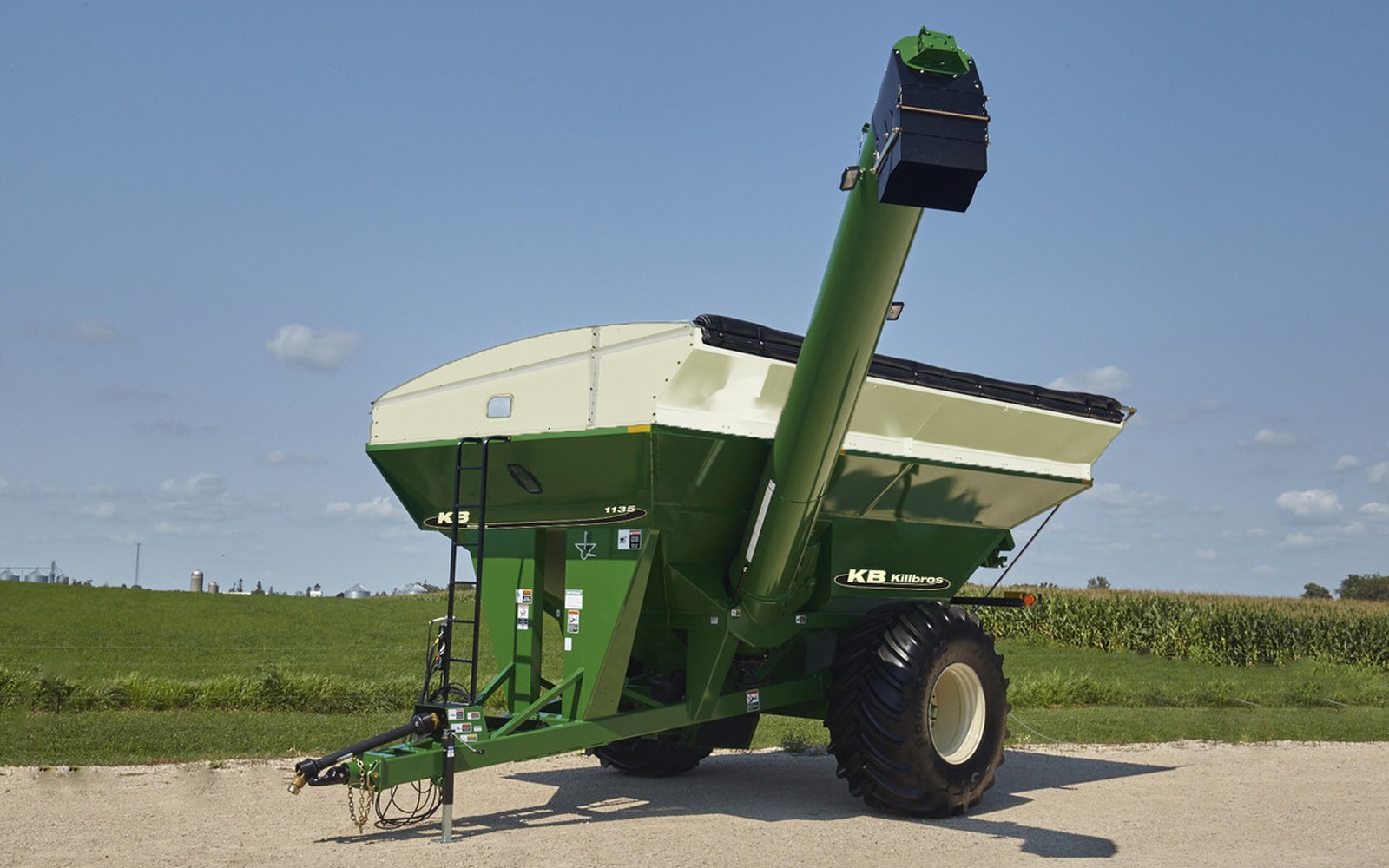
Grain Cart Financing
Finance or refinance a grain cart to keep harvest moving without bottlenecks. Streamlined file review to about $400k, seasonal payment.
Pulling Equity Out of Your Combine
A combine that's been on the farm four or five years often has significant equity, especially if it's been properly maintained. That equity can work for the operation before harvest rather than sitting idle in the iron. A cash-out refinance on a combine can free up operating capital for seed, fertilizer, or cash rent payments that come due in the spring when the grain account is running thin.
The other option worth knowing about is sale-leaseback financing, where you sell the combine to a financing company and immediately lease it back. You get the full value of the machine as cash while it stays in your shop and goes into your harvest. That structure makes sense for operations that own their equipment free and clear and need a meaningful capital injection without selling something they need.
A plain refinance to reduce the monthly payment is also available if your current note is carrying a rate or term that made sense when you signed but looks heavy now. We can look at what a new structure would do to your cash flow and give you a side-by-side comparison.
Farm Refinance Questions
In most cases, yes. If you're purchasing the combine and header packages together, we can structure a single transaction that covers the whole outfit rather than running separate deals for each piece.
2,400 hours is still in the normal working range for most modern combines. We'd look at the machine's age, the brand's service history patterns, and current market value. A well-maintained machine at that hour count is usually a workable collateral asset.
Yes. That's a structure we actively recommend for combines because the income pattern fits it. Larger payments in October and November, reduced or deferred in January through April, can make a real difference in how the operation's cash flow holds up through the year.
A paid-off combine is an excellent basis for a cash-out refinance. You can pull working capital against the machine's value and pay it down over the next harvest cycle. The combine stays in service the whole time.
Refinancing doesn't change ownership, so you retain the depreciation position. Tax treatment of any cash-out proceeds is a question for your accountant, but the refinance itself is a straightforward debt restructure.
Ready to refinance this equipment?
Send the equipment list, payoff details, estimated values, and timing for a direct refinance review.
Refinance
Brands & Models
Copyright © 2026 Farm Equipment Refinance. All Rights Reserved.