Sale-Leaseback Farm Equipment
Sell your paid-off farm equipment to a lender and lease it back. Keep the machine in the field, get cash in hand for inputs, land, or expansion. We finance.
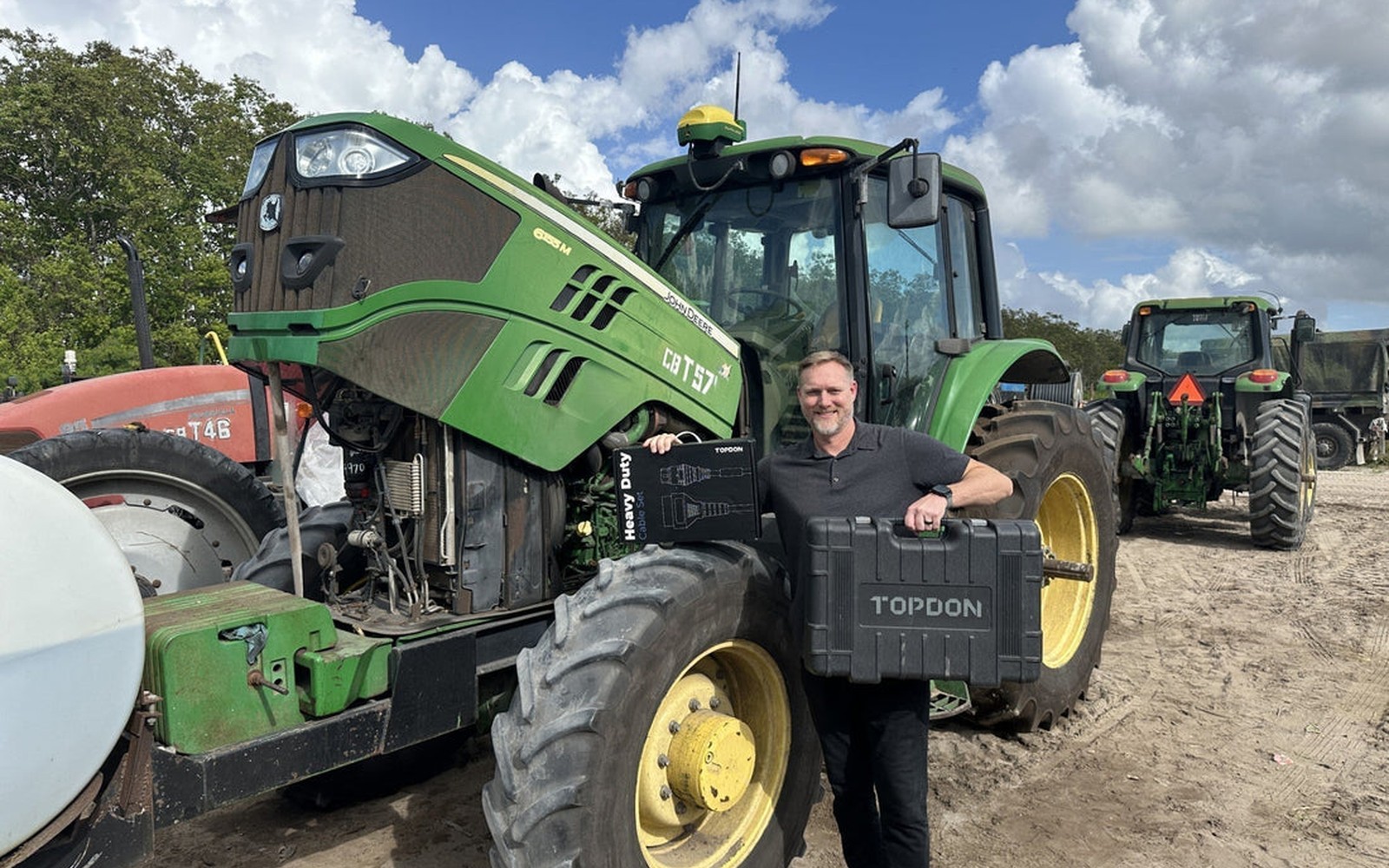
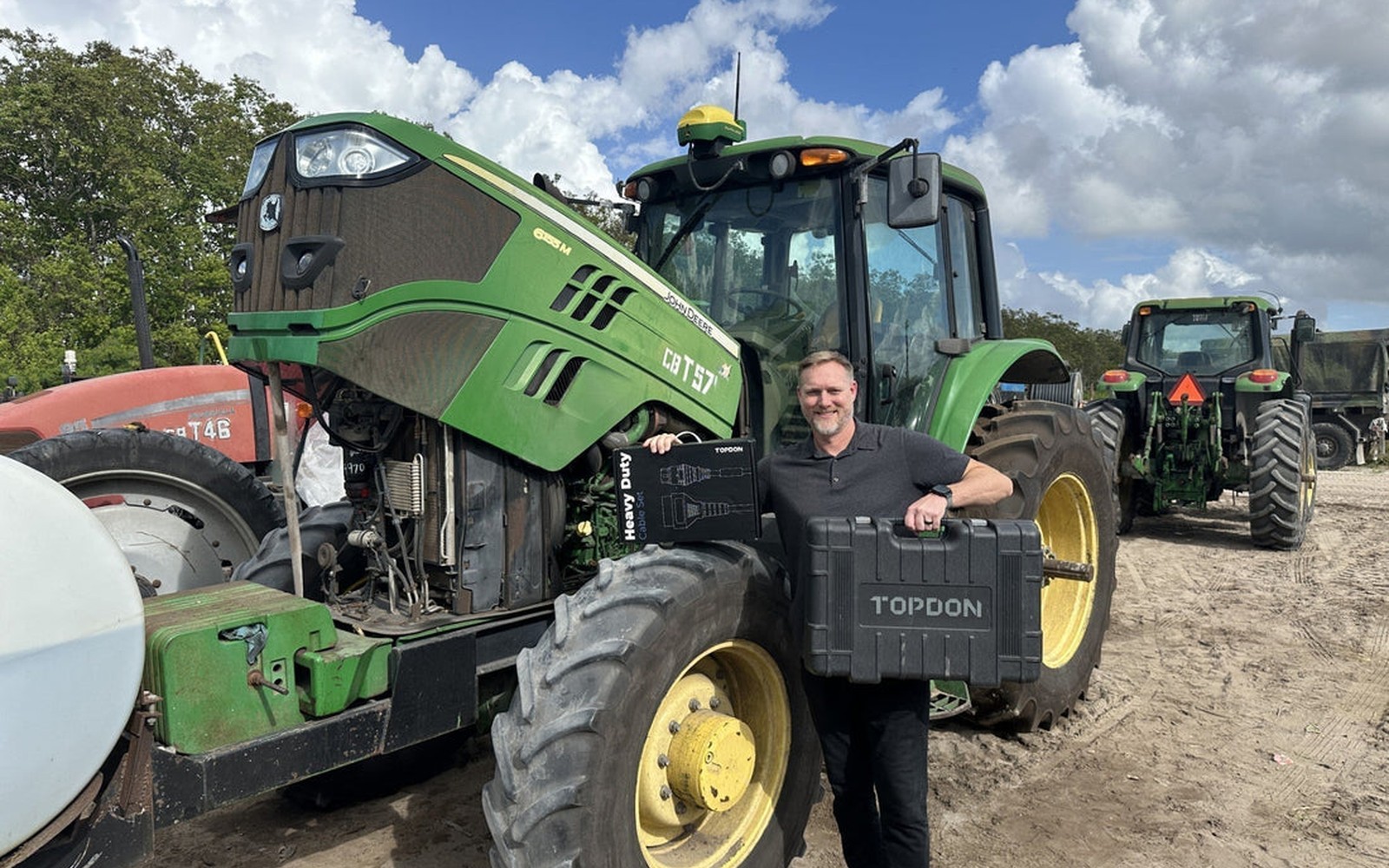
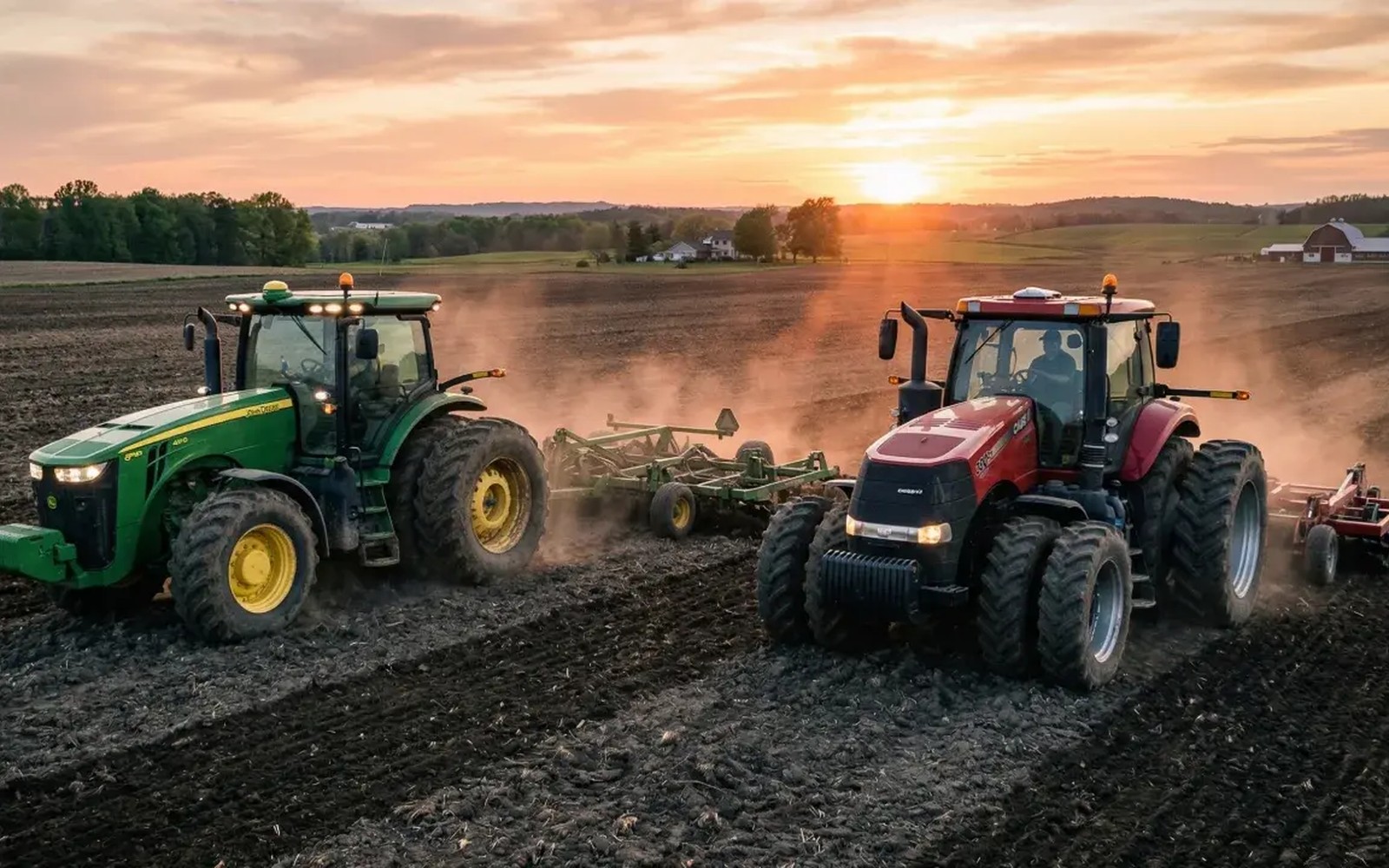
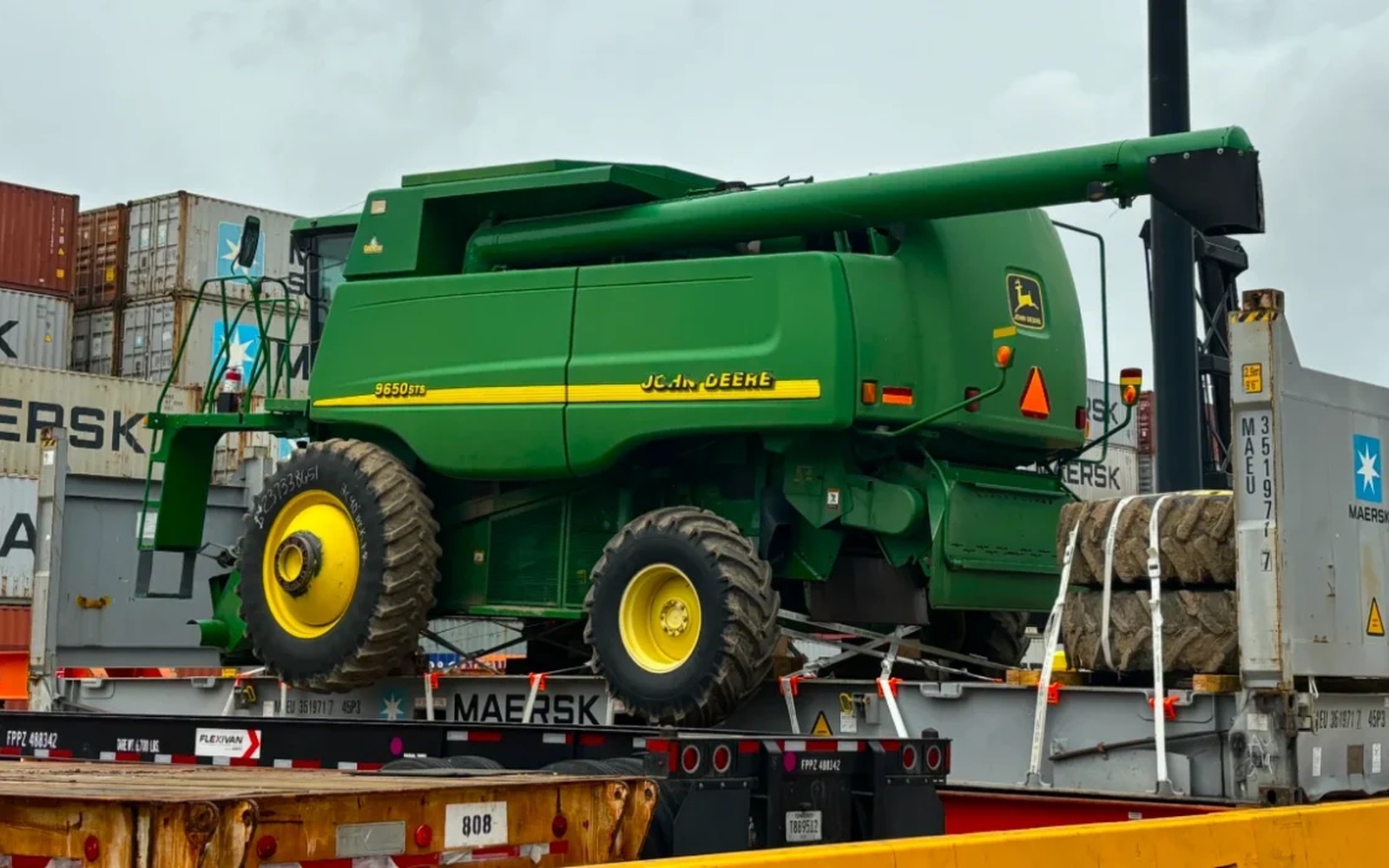
Planting season asks for money before harvest brings any in. If you have Tractors or a grain combine that is paid off and sitting on the books at solid value, a sale-leaseback lets you pull that equity out as cash without giving up the machine. You sell the equipment to a financing company, they pay you, and you continue using it under a lease. The iron stays in the field; the cash goes where your operation needs it most.
This is not a distressed-farmer move. It is a capital management strategy that producers use to fund inputs, buy ground, service other debt, or cover an unexpected expense without taking on an unsecured loan or liquidating something they would rather keep. Done right, the lease payment is predictable, and the freed cash is working in the business the same season you close the deal.
How a Farm Sale-Leaseback Is Structured
The lender appraises the equipment and offers a purchase price based on current market value. Once you agree on price and terms, the lender buys the machine, you receive the proceeds, and the lease agreement goes into effect. From that day forward you make a monthly or seasonal lease payment and continue operating the equipment exactly as before.
At the end of the lease you typically have a few options: buy the machine back at fair market value or a predetermined price, renew the lease, or return the equipment. The option structure matters, so we go through it clearly before you sign. A FMV versus dollar buyout lease comparison is worth running through if you plan to own the machine long-term.
Most sale-leasebacks on farm equipment run from three to seven years. The payment is determined by the purchase price the lender pays, the term, and the buyout or residual built into the structure. For corn and soybean operations with a solid cash flow profile, lenders can often structure payments to align with harvest seasons rather than running equal monthly installments.
Refinance Programs
Farm Application-Only Financing
Finance farm equipment up to $400,000 with just an application and recent bank activity. No Schedule F package, no CPA statements, no long.
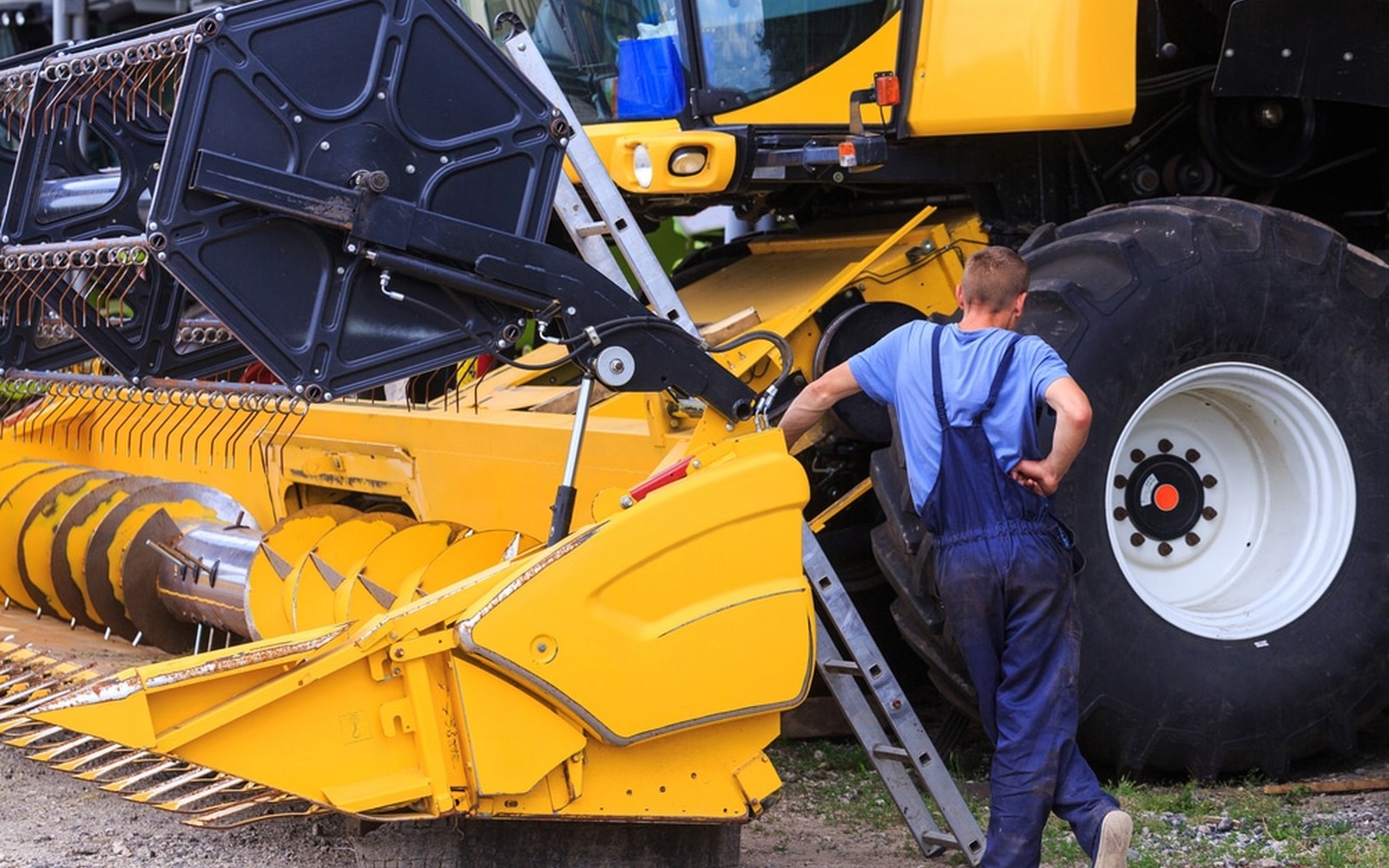
Bad-Credit (B/C) Farm Equipment Financing
Equipment financing for farmers with challenged credit. We work with B and C credit situations, low scores, prior bankruptcies, and short.
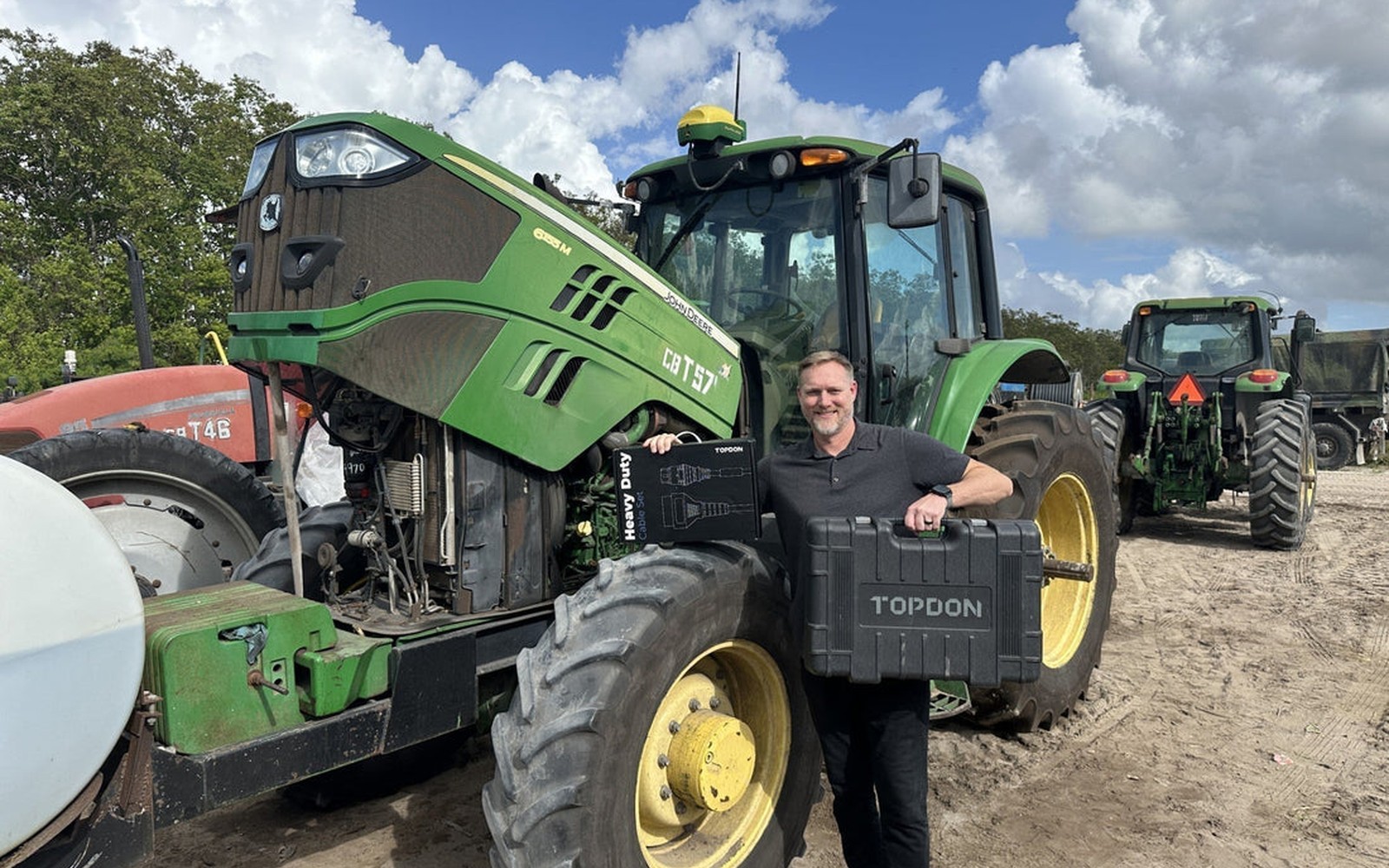
Equipment Leasing
Farm equipment leasing keeps payments lower and lets you upgrade at end of term. We work with tractors, combines, sprayers, and more.
What Equipment Is a Good Fit
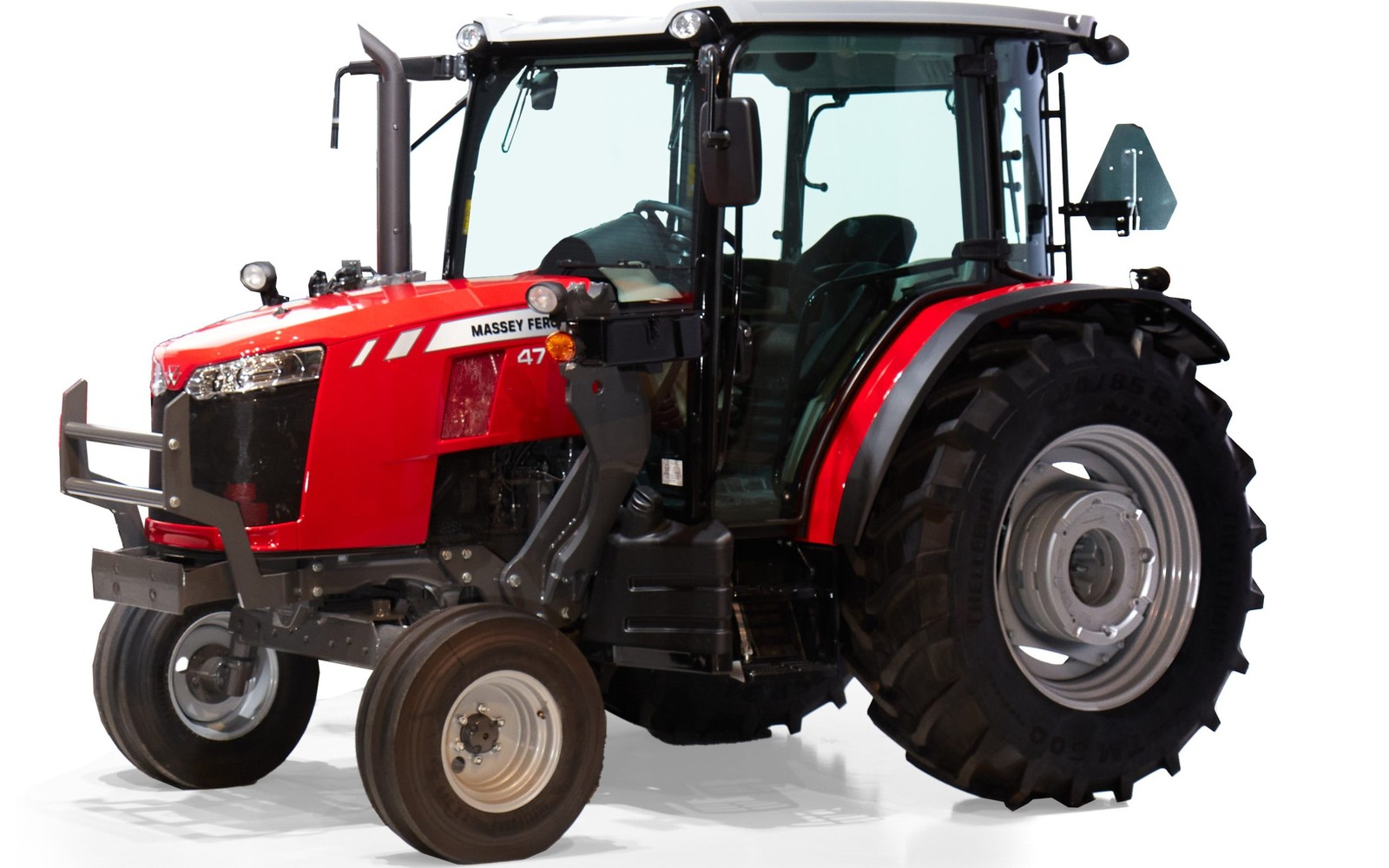
The strongest candidates are high-value self-propelled machines with a clean title and no outstanding lien: large row-crop tractors, combines, self-propelled sprayers, and forage harvesters. The machine needs to be worth enough that the cash-out is meaningful. Our program starts at $50,000, with a sweet spot around $100,000 to $150,000 and above, which aligns with the real liquidation value of quality late-model iron.
Equipment with some age can still qualify if it has been maintained and holds market value. What matters is that the lender can set a supportable purchase price and that the lease payment versus the cash-out math makes sense for your operation. Very high-hour machines or equipment that needs significant repairs may qualify at a lower advance than book value suggests.
Hay and forage equipment owned by livestock producers is another common category, particularly for operations that have built a sizable fleet of balers and windrowers over the years. The key is that the individual unit value needs to reach the minimum threshold, or we structure a package covering multiple pieces.
Farm Refinance Questions
Usually only if the equity is positive and large enough to justify the deal. The lender buys the machine, pays off the existing lien, and you receive the difference. If the payoff is close to market value there may not be enough net proceeds to make it worthwhile.
Operationally no. You run the machine as normal. Modifications that affect value, like adding aftermarket equipment that permanently alters the machine, should be discussed with the lender since you do not own the asset during the lease term.
It depends on the structure. A dollar buyout lease lets you purchase the equipment for $1 at end of term. A fair market value lease sets a buyout price at lease-end based on the appraised value at that time. We walk through both options before you commit.
Once approved and documents are signed, funding typically arrives within one to two weeks. For larger or more complex deals the timeline may stretch slightly, but most farm sale-leasebacks close within that window.
Often yes. A lease payment may be fully deductible as an operating expense, while a loan payment splits into interest (deductible) and principal (not directly deductible). The equipment may also no longer appear as a depreciable asset on your schedule. Talk with your accountant before choosing.
Ready to refinance this equipment?
Send the equipment list, payoff details, estimated values, and timing for a direct refinance review.
Refinance
Brands & Models
Copyright © 2026 Farm Equipment Refinance. All Rights Reserved.