Section 179 & Bonus Depreciation
Section 179 and bonus depreciation let farmers deduct farm equipment purchases in the year of purchase rather than over many years. Learn how these deductions.
Fourth quarter has a way of making the tax picture suddenly urgent. If income has been strong this year and you are looking at a tax bill that feels large, buying equipment in December and deducting the full cost under Section 179 or bonus depreciation is one of the few legal, direct ways to reduce taxable income in the year you actually earn it. Farmers have used this pairing of equipment purchase and accelerated depreciation for decades, and the financing side of that transaction is something we handle regularly.
The key point is that you do not have to pay cash to claim the deduction. A financed machine, put in service before December 31, qualifies for the same accelerated write-off as one paid in full. The tax benefit arrives in the current year; the loan payments stretch across the term. That combination is what makes the year-end equipment purchase so common on the farm and agribusiness calendar.
What Farm Equipment Qualifies for Section 179
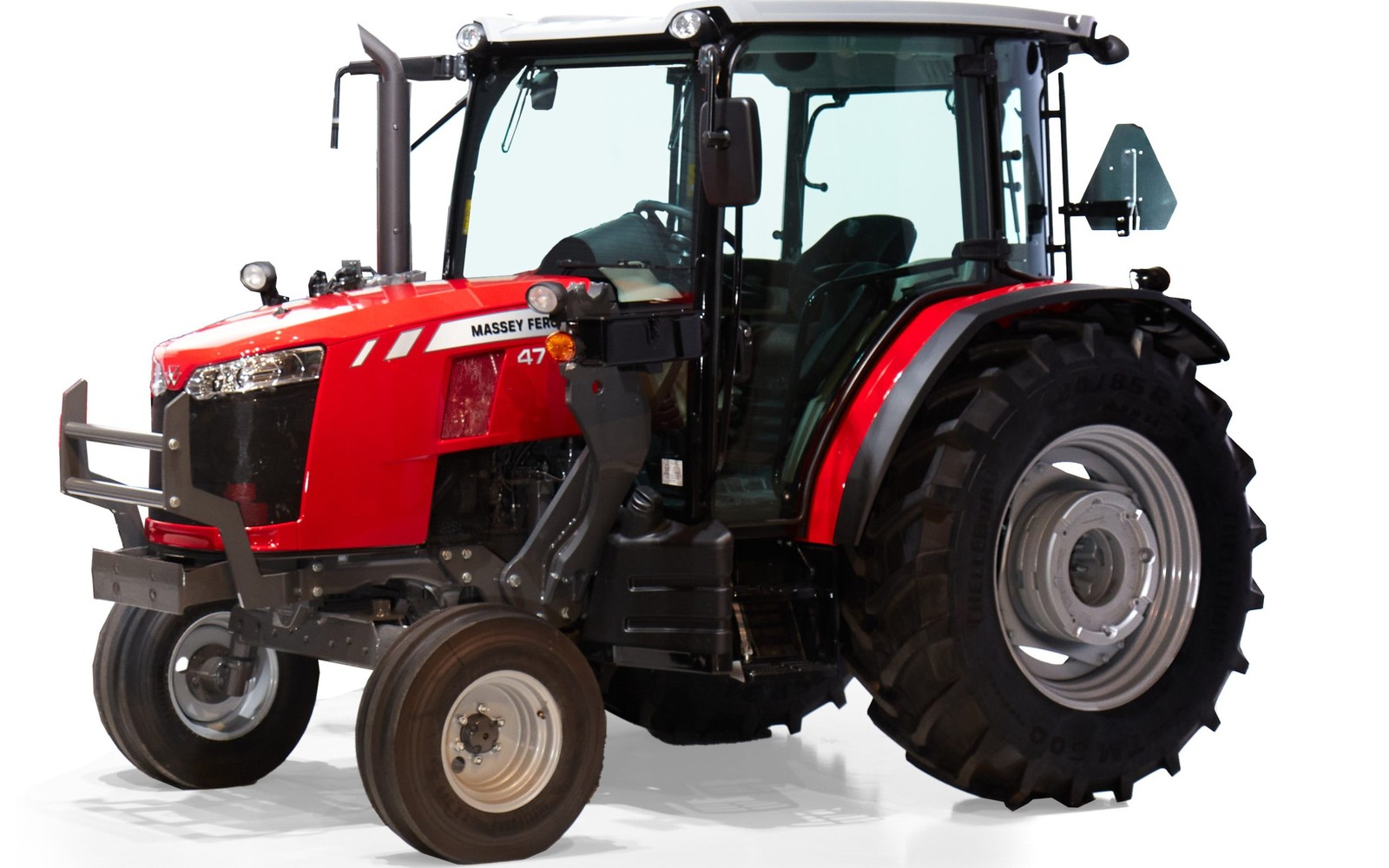
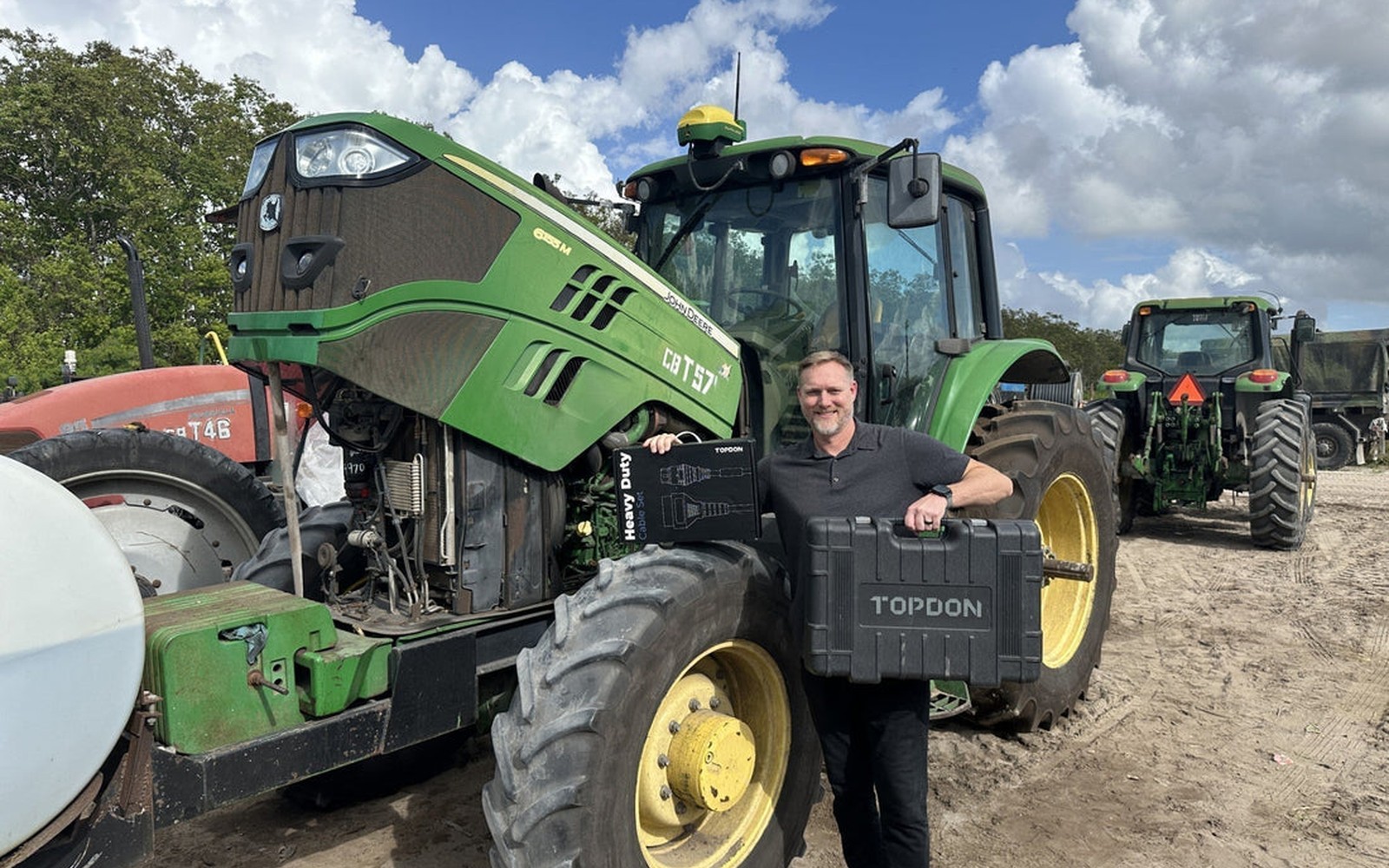
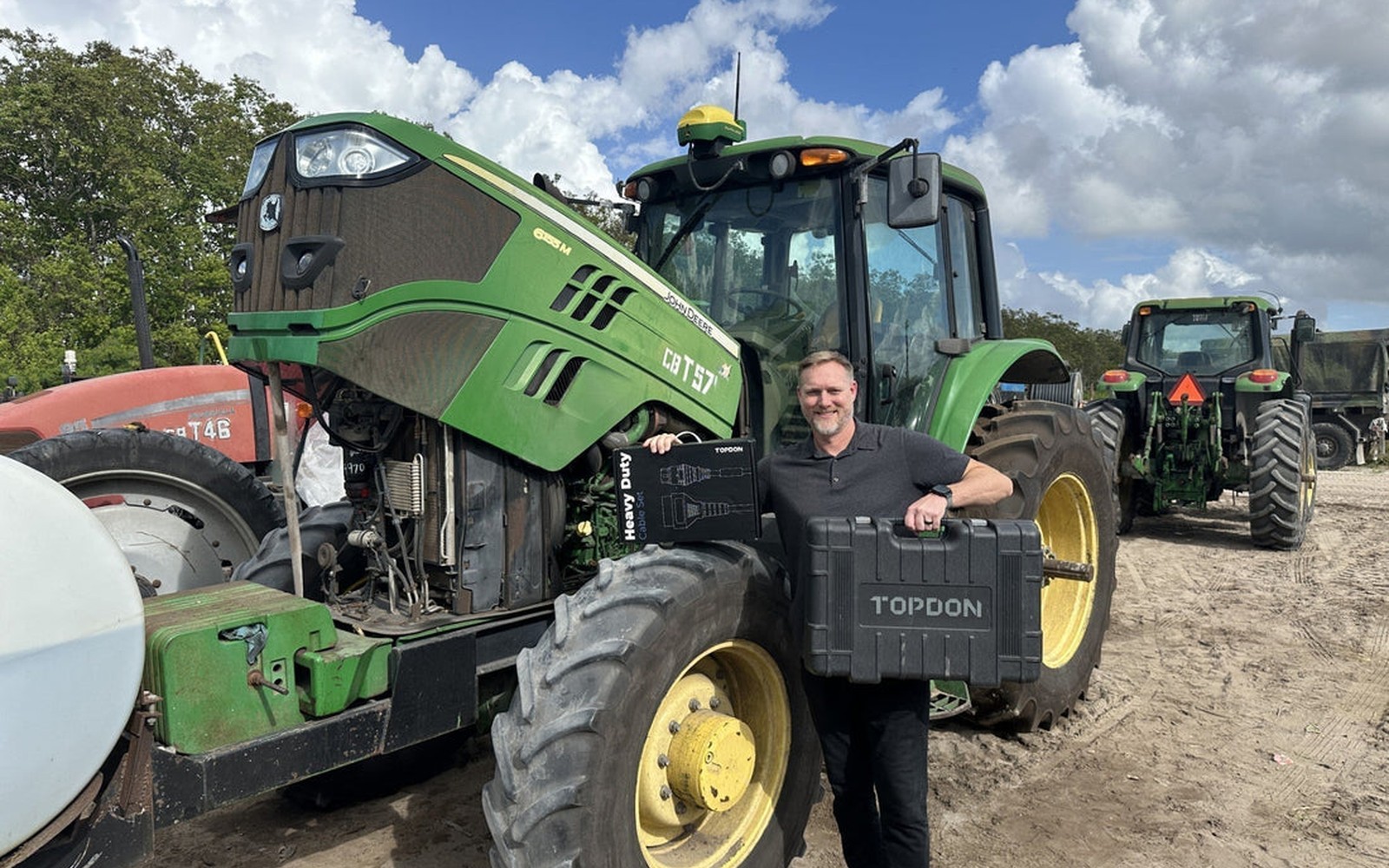
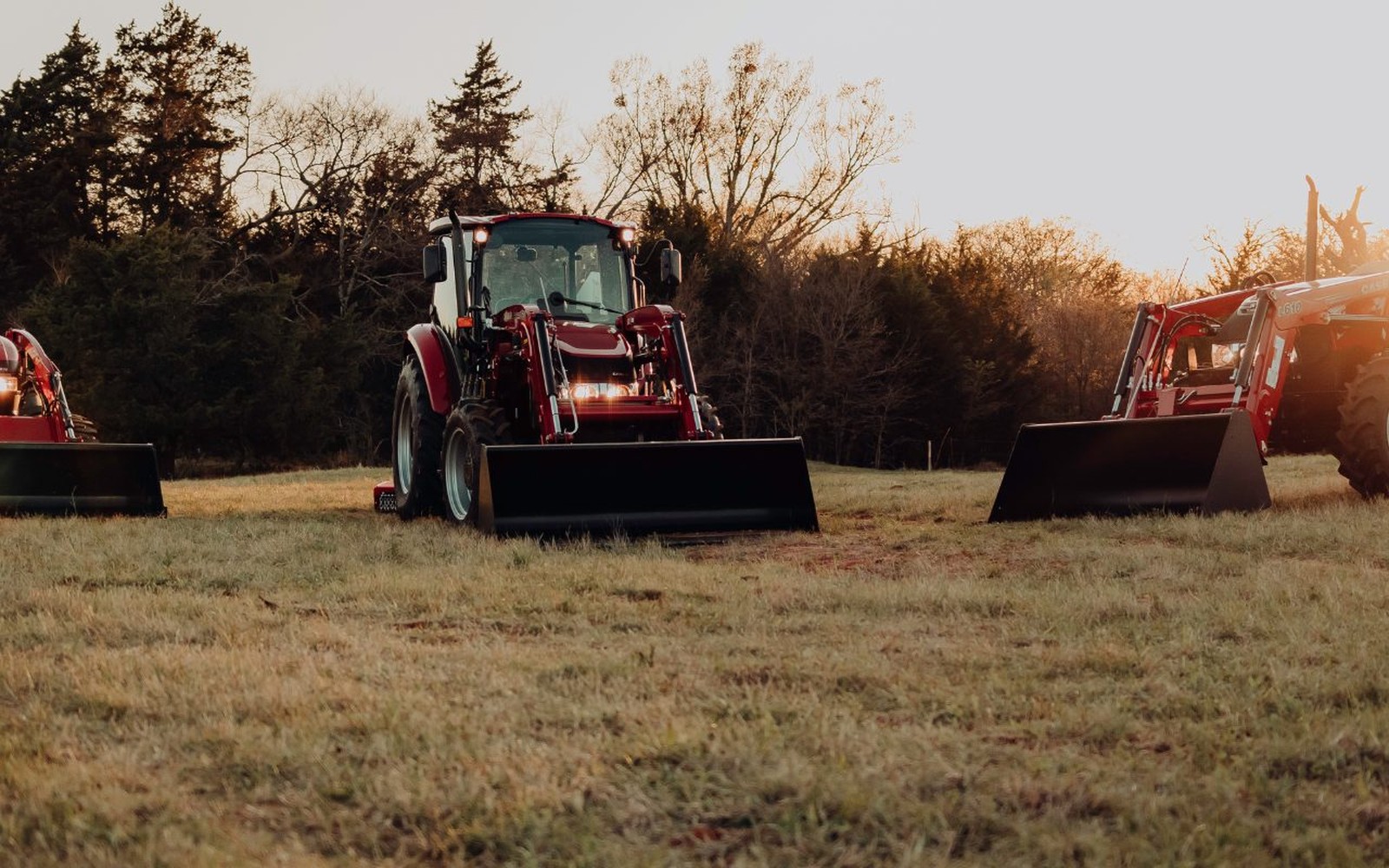
Most business use farm equipment placed in service in the tax year qualifies. That includes Tractors, grain combines, self-propelled sprayers, Planters, and tillage equipment. Grain bins, storage systems, and certain farm structures also qualified under provisions that were expanded through recent tax legislation, which was a meaningful change for producers who had been limited to machinery-only deductions.
Used equipment is eligible for Section 179 deduction, which is an important point for producers buying used iron. Prior to 2018 tax law changes, bonus depreciation was generally limited to new equipment. That limitation was changed to allow used equipment as well, as long as the purchaser had not previously owned the same property. A used combine purchased from a dealer or at auction qualifies, as long as it is new to your ownership.
The equipment must be placed in service during the tax year, meaning it is operational before December 31, not just ordered or paid for. Getting a machine financed and delivered before year-end is therefore a meaningful logistical goal for farmers trying to use these provisions in the current tax year.
Refinance Programs
Farm Application-Only Financing
Finance farm equipment up to $400,000 with just an application and recent bank activity. No Schedule F package, no CPA statements, no long.
Bad-Credit (B/C) Farm Equipment Financing
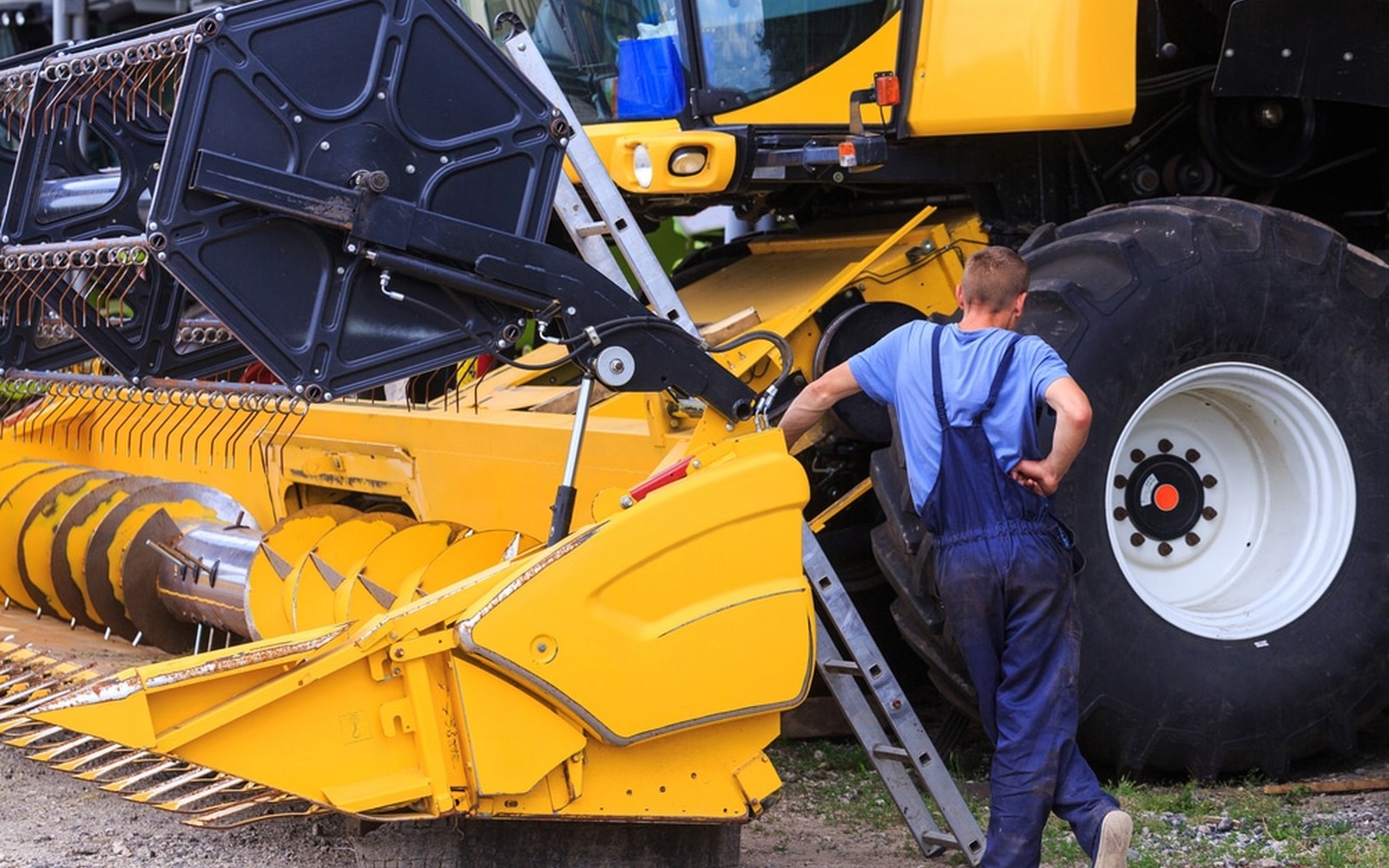
Equipment financing for farmers with challenged credit. We work with B and C credit situations, low scores, prior bankruptcies, and short.
Equipment Leasing
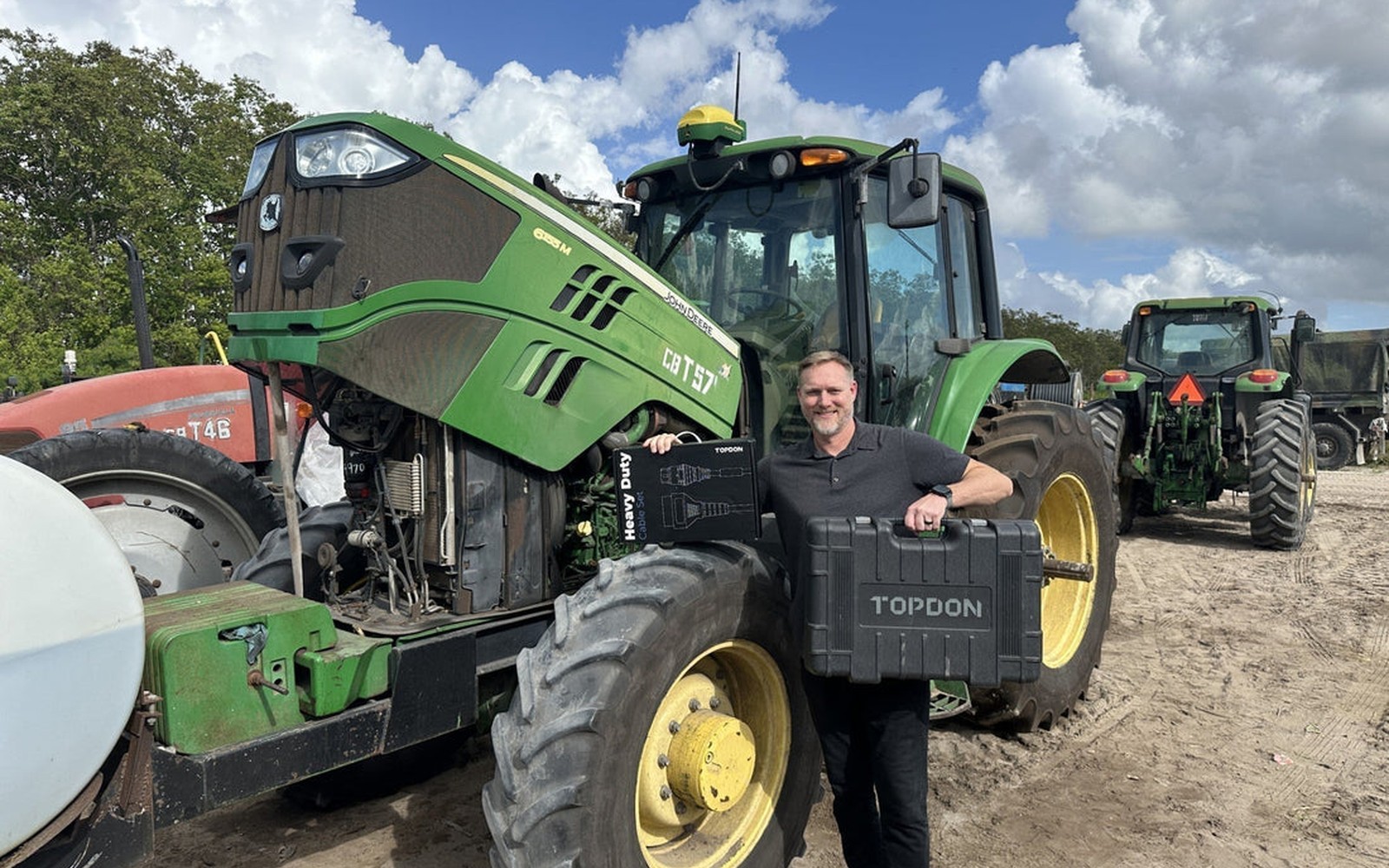
Farm equipment leasing keeps payments lower and lets you upgrade at end of term. We work with tractors, combines, sprayers, and more.
How Financing and the Deduction Work Together
The mechanics are straightforward: you close an equipment loan or lease (for ownership-track leases), take delivery of the machine, put it in service, and claim the deduction on your return. The entire purchase price, not just the down payment, is eligible for the deduction. You may have financed 80 or 90 percent of the machine's cost, but you deduct 100 percent of its value if you elect full Section 179 treatment or bonus depreciation.
This creates an interesting cash flow dynamic. A farmer who puts down $30,000 on a $200,000 tractor in December and elects a full Section 179 deduction can potentially reduce their taxable income by $200,000 while only parting with $30,000 in the current year. The loan payments begin in the new year; the tax benefit hit the return for the year just ending. The net effect, depending on the marginal rate, can be a meaningful reduction in the check to the IRS for the year that was profitable.
Our financing process moves in one to two weeks from application to funding, which is fast enough to accommodate year-end purchase timing if you start the process by mid-December. We handle both equipment loans and ownership-track equipment leases, and we can tell you which structure fits your year-end situation based on what your accountant wants to accomplish on the tax side.
Farm Refinance Questions
You can finance the machine and still claim the full deduction on the total purchase price, not just on the portion you paid out of pocket. The IRS looks at the cost of the property placed in service, not how much of that cost you funded with debt.
No. The machine must be placed in service before December 31 of the tax year. Ordered or signed but not yet operational does not count. That is why year-end equipment deals need to move quickly enough that delivery and commissioning happen before the calendar turns.
Yes, as long as you have not previously owned that specific machine and it is placed in service in the tax year. Private-party used purchases are eligible for both Section 179 and bonus depreciation under current rules.
Section 179 cannot exceed net business income, so any excess is carried forward to future years. Bonus depreciation does not have this income limitation and can create or increase a net operating loss, which may carry forward under NOL rules. Your accountant will help choose the election that optimizes across years.
Yes. Accelerated depreciation creates depreciation recapture income when the machine is sold, taxable at ordinary income rates. Producers who plan to sell equipment within a few years should factor recapture into the decision.
Ready to refinance this equipment?
Send the equipment list, payoff details, estimated values, and timing for a direct refinance review.
Refinance
Brands & Models
Copyright © 2026 Farm Equipment Refinance. All Rights Reserved.