Equipment Leasing
Farm equipment leasing keeps payments lower and lets you upgrade at end of term. We work with tractors, combines, sprayers, and more. Compare lease vs. loan.
Some farmers own their iron; others decide the smarter move is to pay for the machine's working life rather than its total value. Leasing puts you in the second camp, and for operations that upgrade machinery on a regular cycle, the math often comes out in favor of the lease. The monthly payment is lower than a comparable loan because you are paying down usage rather than building full ownership equity. At end of term you return the machine, buy it, or roll into something newer.
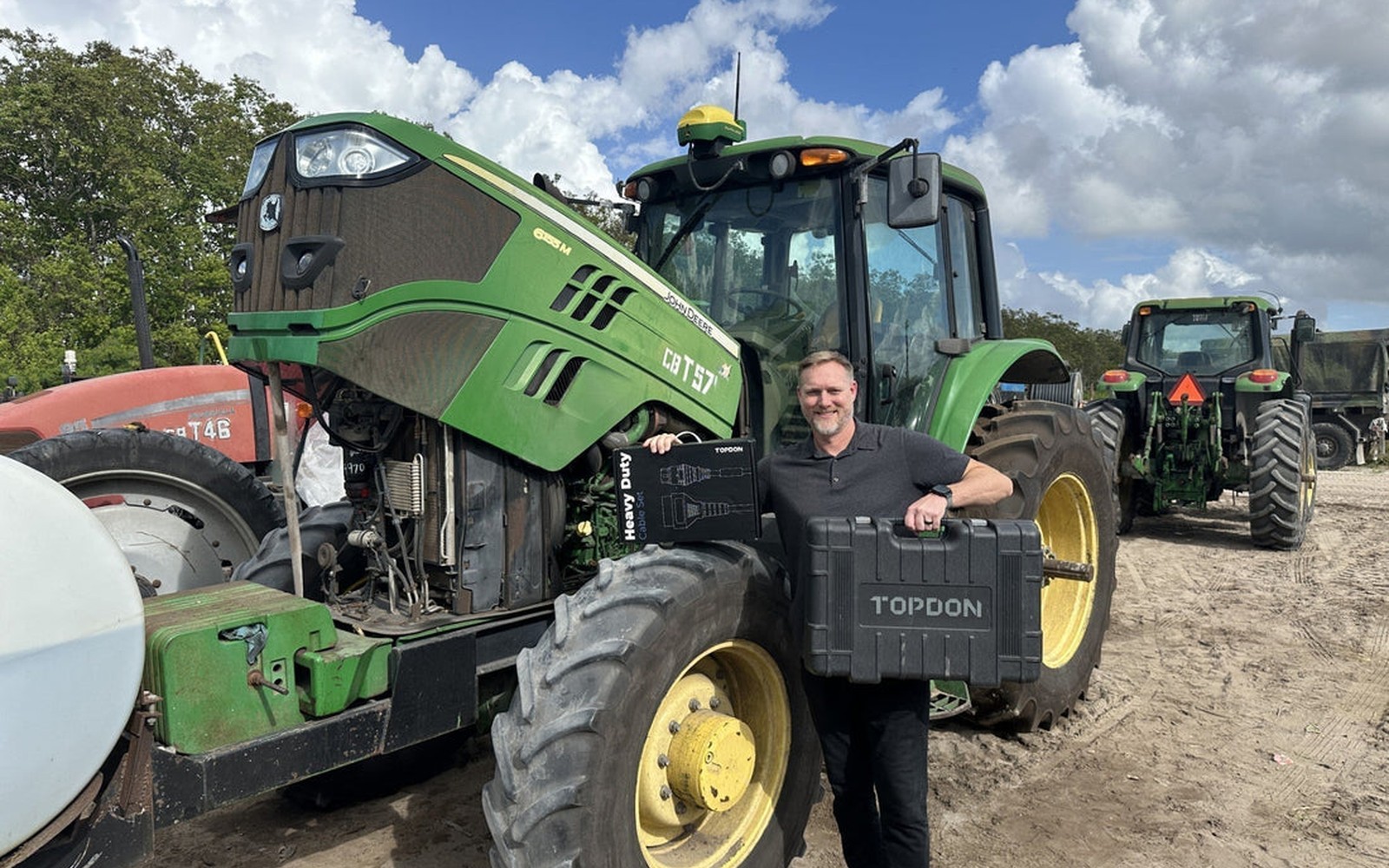
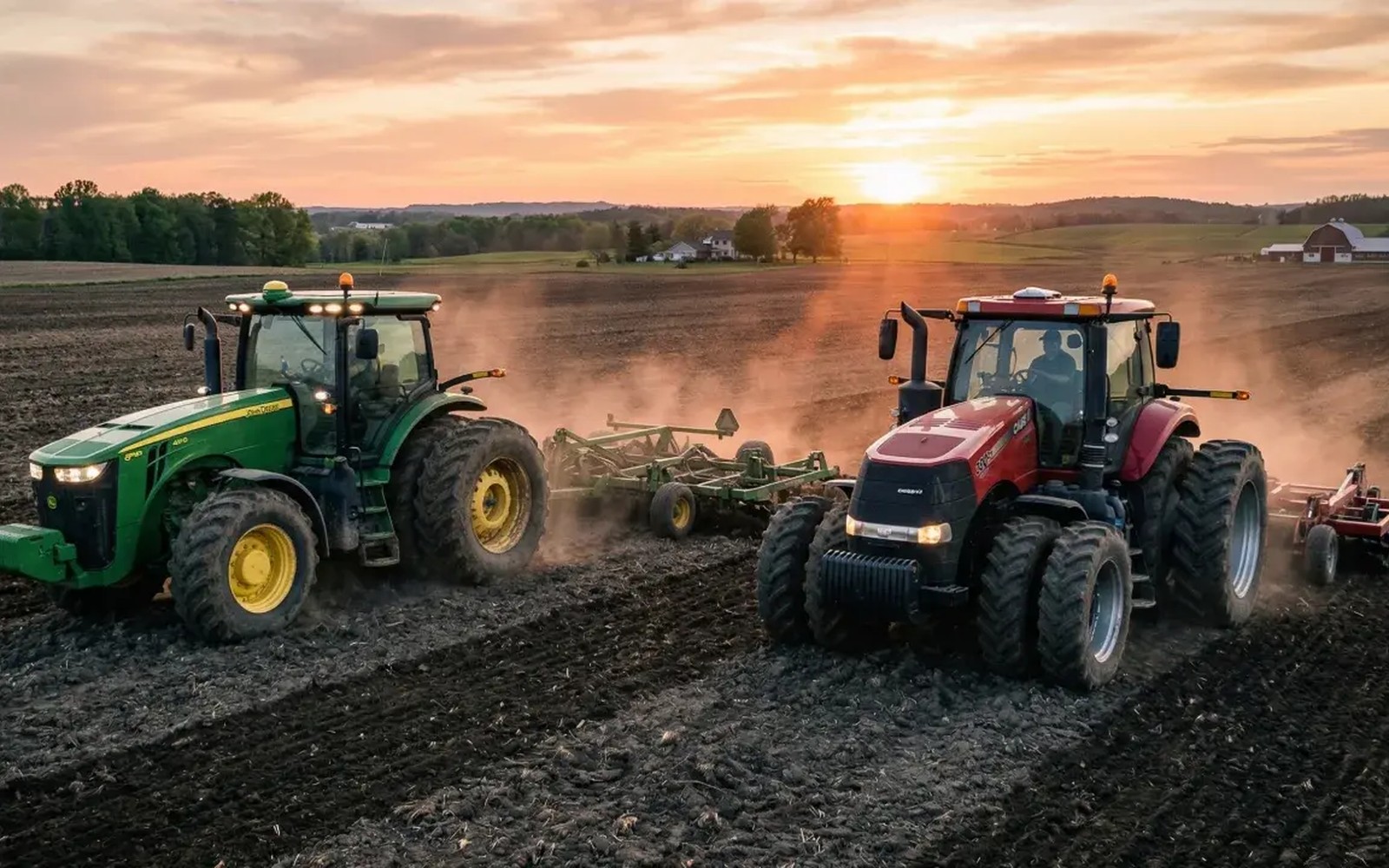
We arrange leases on a wide range of farm machinery, including row-crop tractors, self-propelled sprayers, grain combines, and large implements. The structure of the lease matters as much as the rate, so we spend time on which lease type fits your plan before putting a proposal together.
Lease Structures Worth Understanding
Farm equipment leases generally fall into two families. An operating lease, sometimes called a fair market value lease, gives you the machine for a set term and a buyout option at the end based on whatever the equipment is worth at that time. If you plan to upgrade regularly and do not need to own every piece long-term, this structure keeps payments lowest because the residual is high and you are only financing the depreciation during your term.
A capital or finance lease, often structured as a dollar buyout or a fixed-price buyout, is closer to a loan. The residual built into the payment is low or zero, so payments are higher, but you are clearly on track to own the machine. Some producers use this structure when they want the cash flow flexibility of a lease payment but have every intention of keeping the equipment. The FMV versus dollar buyout lease comparison walks through how those end-of-term options differ in real terms.
For larger operations, a TRAC lease is another option that adds a terminal rental adjustment clause, which gives both parties flexibility on the residual. These come up more often on commercial vehicle and fleet situations but can apply to farm equipment in the right context.
Refinance Programs
Farm Application-Only Financing
Finance farm equipment up to $400,000 with just an application and recent bank activity. No Schedule F package, no CPA statements, no long.
Bad-Credit (B/C) Farm Equipment Financing
Equipment financing for farmers with challenged credit. We work with B and C credit situations, low scores, prior bankruptcies, and short.
Equipment Leasing
Farm equipment leasing keeps payments lower and lets you upgrade at end of term. We work with tractors, combines, sprayers, and more.
What Makes Leasing Work on Farm Machinery
Leasing works best on equipment that depreciates in a predictable pattern, sees regular technological improvement, and is available in a healthy secondary market. Tractors, combines, and sprayers fit that description well. The resale market for used farm machinery is active enough that lenders can price the residual accurately, and the technology cycle on electronic and precision ag features has moved fast enough that producers often want to upgrade on a five to seven year cycle anyway.
The machine's hours matter more in a lease than in a loan because the lender retains an interest in what the equipment is worth at end of term. Most farm equipment leases include an hour or usage allowance, and excess hours at return may result in an end-of-term charge. That is a standard term to negotiate and plan around before signing, not a surprise to discover later.
Producers who run GPS and precision-ag technology upgrades through their machinery cycle often find that a lease with end-of-term upgrade rights fits well because each new machine generation brings meaningful improvements to planting accuracy, variable rate application, and harvest data collection.
Farm Refinance Questions
Operational add-ons like guidance systems or precision ag monitors are generally fine. Permanent modifications that change the machine's value or configuration should be discussed with the lender first, since they affect the residual value at end of term.
You are required to carry physical damage and liability insurance on a leased machine. If the machine is a total loss, the insurance proceeds typically pay the lender's interest first, and any gap between the insurance settlement and the outstanding lease obligation may come back to you unless you have gap coverage.
On a fair market value lease, yes, typically lower than a comparable loan because of the high residual. On a dollar buyout lease the payments are closer to a loan since you are financing the full value. The trade-off is the end-of-term buyout cost.
The lease agreement specifies an annual or total hour allowance. Excess hours at return are charged at a per-hour rate negotiated at signing. If you expect to run the machine hard, it is worth either building in a higher allowance upfront or accepting that an excess-hour charge is likely and budgeting for it.
Used equipment leases are available. The lender needs a clear market value and clean title to set the residual accurately. Used leases are more common on lower-hour machinery where the expected future value is reasonably predictable.
Ready to refinance this equipment?
Send the equipment list, payoff details, estimated values, and timing for a direct refinance review.
Refinance
Brands & Models
Copyright © 2026 Farm Equipment Refinance. All Rights Reserved.