FMV vs. $1 Buyout Lease
FMV leases offer lower payments but a market-price buyout at end of term. Dollar buyout leases cost more monthly but let you own the machine for $1 at the end.
Two producers can sign a lease on the same combine and end up in very different places at end of term, depending on which structure they chose at signing. The FMV lease and the dollar buyout lease both get the machine in the field, but they make completely different assumptions about who ends up owning it and at what cost. Choosing the wrong one does not break a farm, but it does mean you paid for something you did not get or gave up something you could have kept for a dollar.
The choice comes down to one question: do you expect to own this machine long-term, or would you rather have flexibility to return, upgrade, or decide later? If you want to own it, the dollar buyout structure locks that in from day one. If you want flexibility, the FMV lease gives it to you, but at a cost that reveals itself at the end of the term rather than in the monthly payment.
How Each Structure Works
An FMV (fair market value) lease centers on a significant residual. The lender assumes the machine will be worth something meaningful at end of term, sets that expected value as the residual, and finances only the expected depreciation during the lease. Because the lender carries a large residual risk, the monthly payments are lower than a comparable loan or dollar buyout lease. At end of term, the lessee can buy the machine at fair market value, renew the lease, or return the equipment. The lender retains an economic interest in the machine throughout the term.
A dollar buyout lease structures the payments as if there is no meaningful residual: you are financing the entire cost of the machine over the term, with a nominal $1 buyout at the end to transfer ownership cleanly. Monthly payments are higher because you are paying down the full value, not just the depreciation. At end of term you pay $1 and the machine is yours. This is effectively a loan wearing a lease structure, and it is treated as such for tax and accounting purposes.
The difference in monthly payments between the two can be substantial on large farm machinery. A grain combine or high-horsepower tractor with a strong residual value may generate a 15 to 25 percent lower monthly payment under an FMV structure versus a dollar buyout lease of the same term. That matters to a cash flow statement during the lease years. What comes due at end of term tells the other side of the story.
Refinance Programs
Farm Application-Only Financing
Finance farm equipment up to $400,000 with just an application and recent bank activity. No Schedule F package, no CPA statements, no long.
Bad-Credit (B/C) Farm Equipment Financing
Equipment financing for farmers with challenged credit. We work with B and C credit situations, low scores, prior bankruptcies, and short.
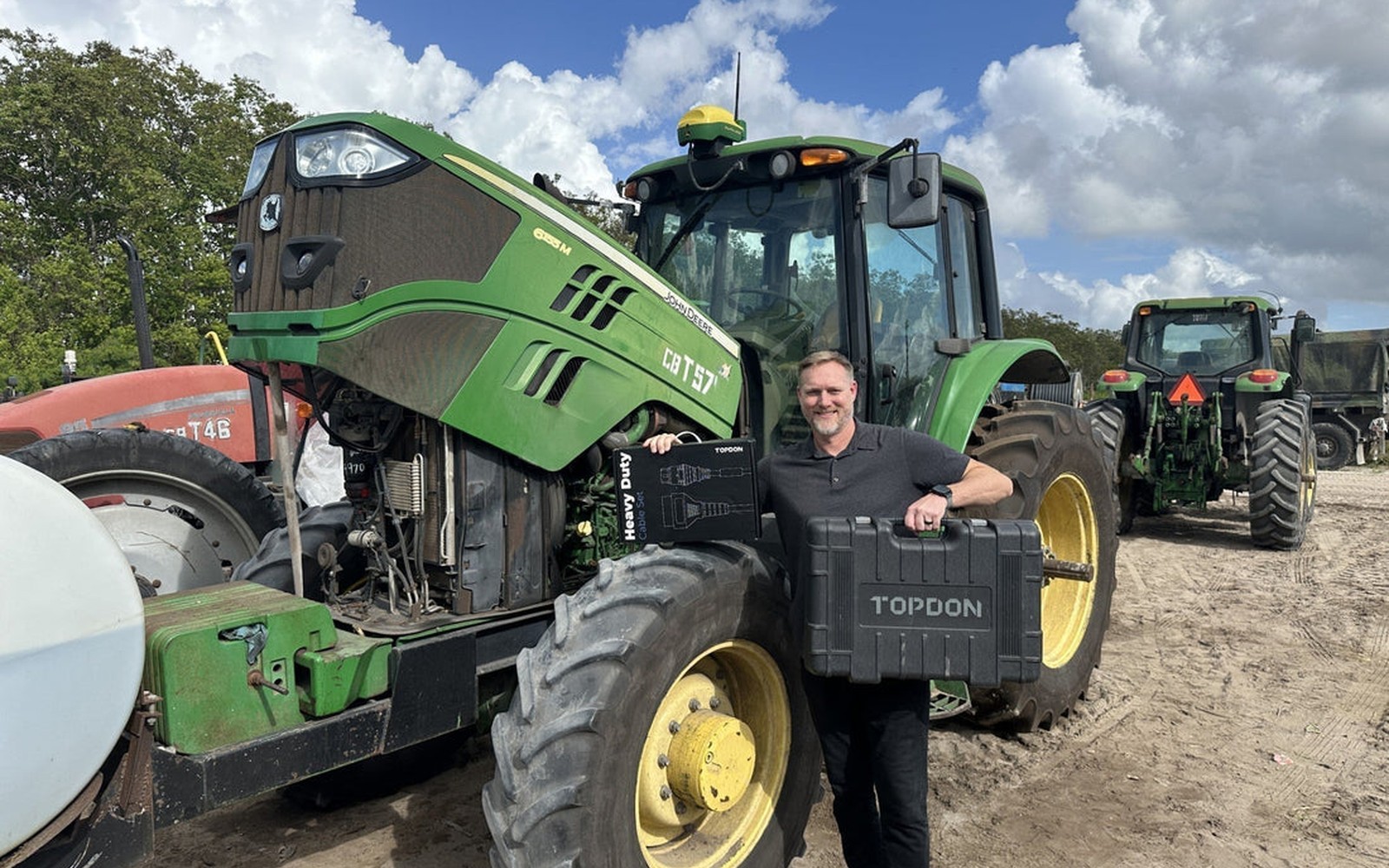
Equipment Leasing
Farm equipment leasing keeps payments lower and lets you upgrade at end of term. We work with tractors, combines, sprayers, and more.
End-of-Term Costs: What You Actually Pay
The FMV buyout at end of lease is real money. It is set at the time of exercise based on market conditions for comparable equipment. If your combine has held its value well, the FMV buyout may be a significant sum. Some producers are surprised to find that they have made payments for five years and still need to write a large check to actually own the machine. That is not a trick; it is the structure you signed for, but it is worth understanding clearly before you sign.
The dollar buyout, by contrast, costs $1 at end of term. The machine is yours for less than a cup of coffee once the note is paid. All the cost was front-loaded into the monthly payments during the lease term. For a producer who plans to run the machine for fifteen years and wants no ambiguity about ownership, that is a cleaner arrangement regardless of what the higher monthly payment does to the near-term cash flow statement.
Producers managing cash flow tightly may prefer the FMV structure for the lower monthly cost and plan to trade the machine in or return it at end of term, effectively cycling through equipment on the lease's schedule. Large commercial farms that manage machinery on a fleet replacement cycle sometimes prefer this approach because it keeps the payment low and the equipment current.
Farm Refinance Questions
Not automatically. The lease structure is fixed at signing. If you want to own the machine before the FMV residual matures, you can often purchase it at the then-current fair market value during the term, but you will need to negotiate that with the lessor. Early buyout terms should be discussed at signing if you think ownership mid-term is likely.
Only if the machine is below the agreed return condition or exceeds the hour or usage allowance built into the lease. Normal wear and tear within the agreed parameters is acceptable. Damage beyond that or excess hours result in end-of-term charges that the lease agreement specifies in advance.
In most FMV leases the buyout price is set at the time of exercise, based on a current appraisal or market comparison at that future date. Some leases include a guaranteed maximum or minimum buyout range at signing, but a true FMV lease has a buyout that floats with the market.
Both are used regularly. The dollar buyout is more common among producers who intend to run equipment until it is fully depreciated and have no interest in returning it. The FMV structure shows up more often with operations that run a regular equipment upgrade cycle and value the lower monthly cost during the lease period.
Under most accounting frameworks an operating FMV lease does not show the asset or the associated liability on the balance sheet; only the lease payments appear as expenses. A dollar buyout lease is treated as a financed asset and does appear on the balance sheet. For operations reporting to a lender or tracking net worth, this distinction can matter.
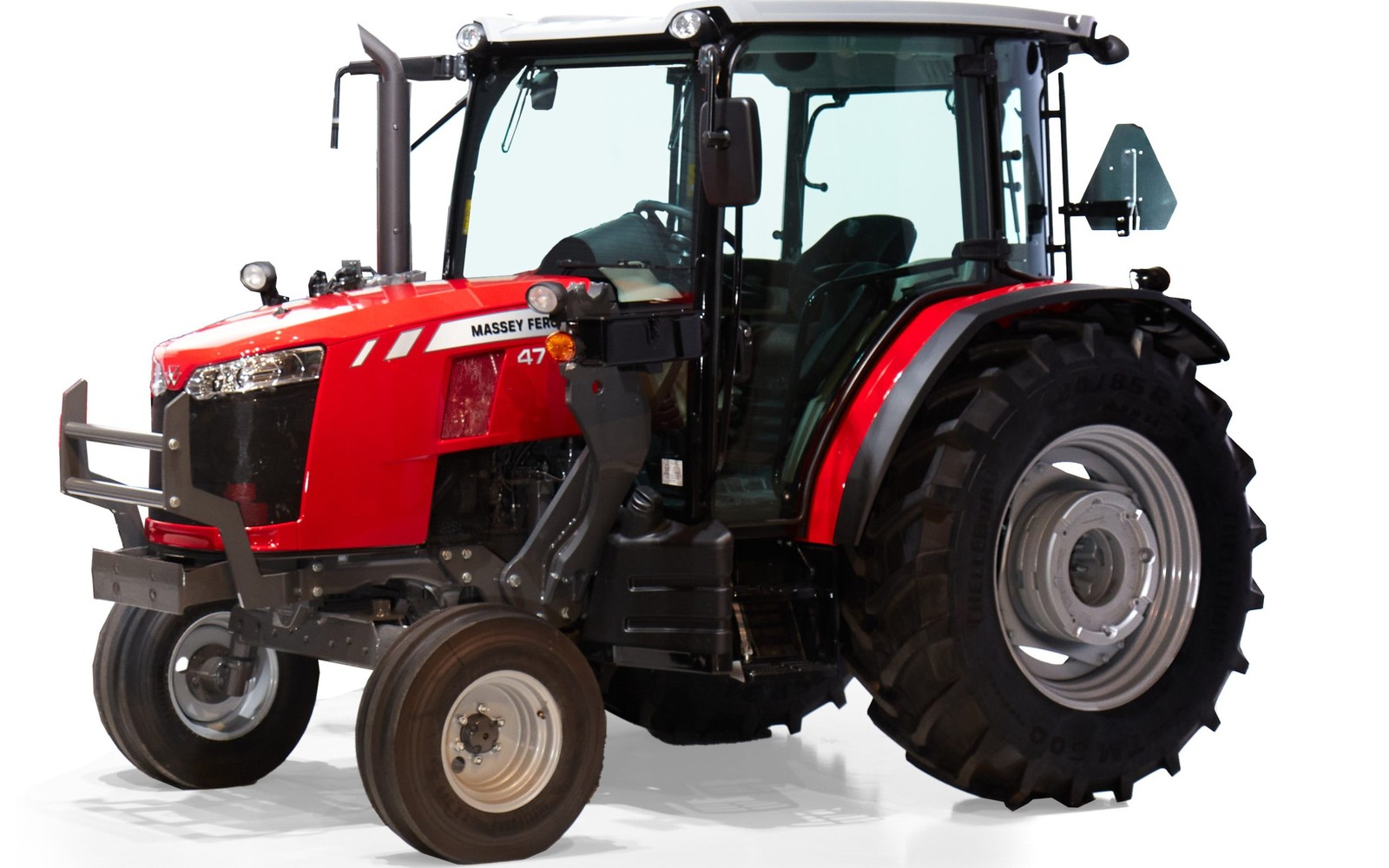
Ready to refinance this equipment?
Send the equipment list, payoff details, estimated values, and timing for a direct refinance review.
Refinance
Brands & Models
Copyright © 2026 Farm Equipment Refinance. All Rights Reserved.