
Hay & Forage Equipment Financing
Finance hay and forage equipment including balers, mowers, rakes, and tedders for livestock and hay operations. Seasonal payments, fast funding.
Hay timing is everything. Cut it at peak quality, let it dry long enough but not too long, get it baled before rain takes the leaf off, and move it to storage before the next cutting needs the ground. Every piece of the hay operation has to work on that schedule, and an equipment failure in the middle of a three-day dry window costs you more than the repair bill. We finance hay and forage equipment for livestock operations, hay producers, and diversified farms across the country, with terms that account for how hay income moves through the year.
Hay and forage equipment spans a wide range of machine types and price points. A mower-conditioner, a rake, a round baler, a large square baler, and a self-propelled forage harvester all fall under the category, and each has its own market dynamics. We finance single implements and complete hay making systems. For buyers focused on baling equipment specifically, our baler financing page goes deeper on that one piece of the hay system.

Hay Equipment: The Full System and Its Parts
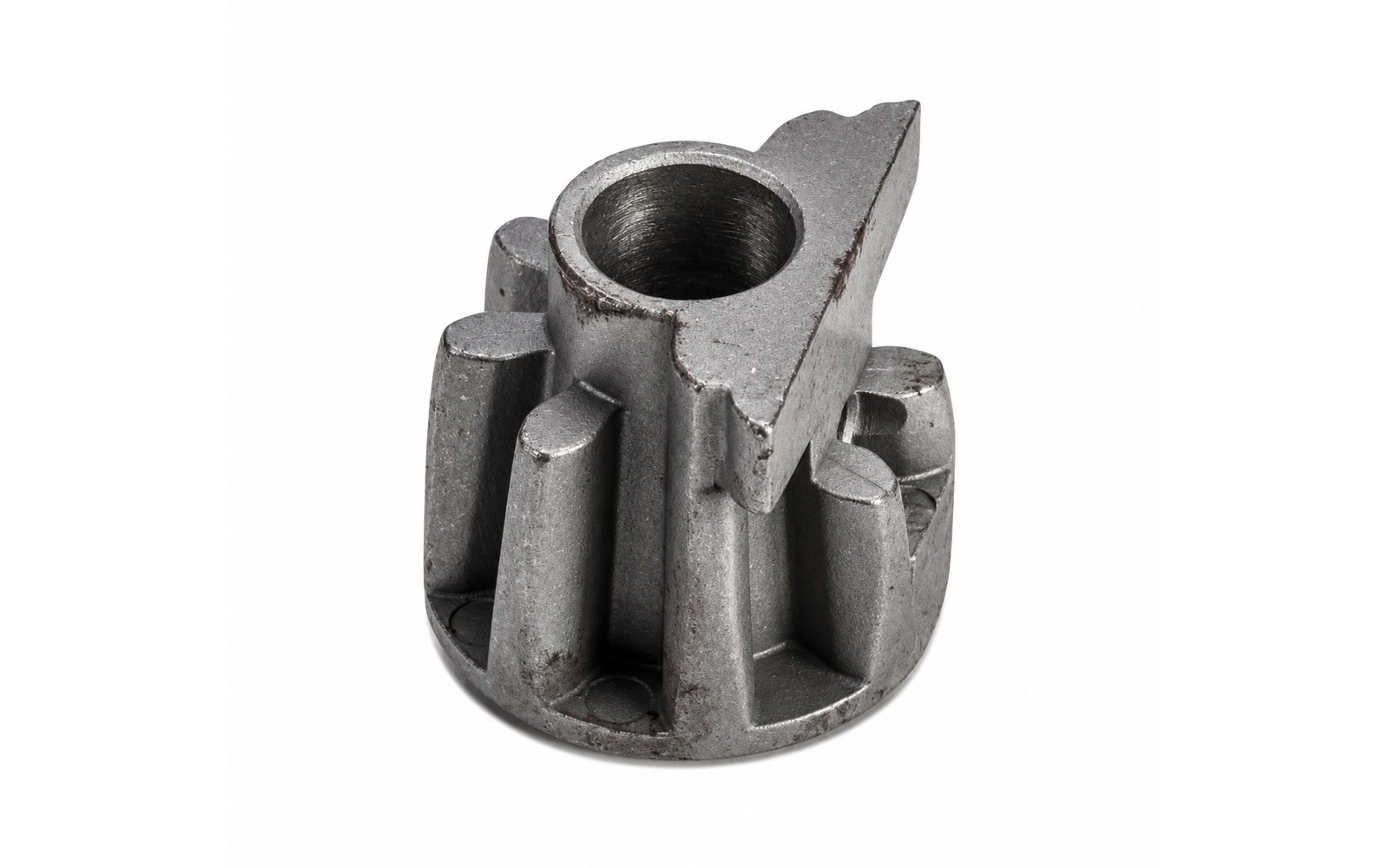
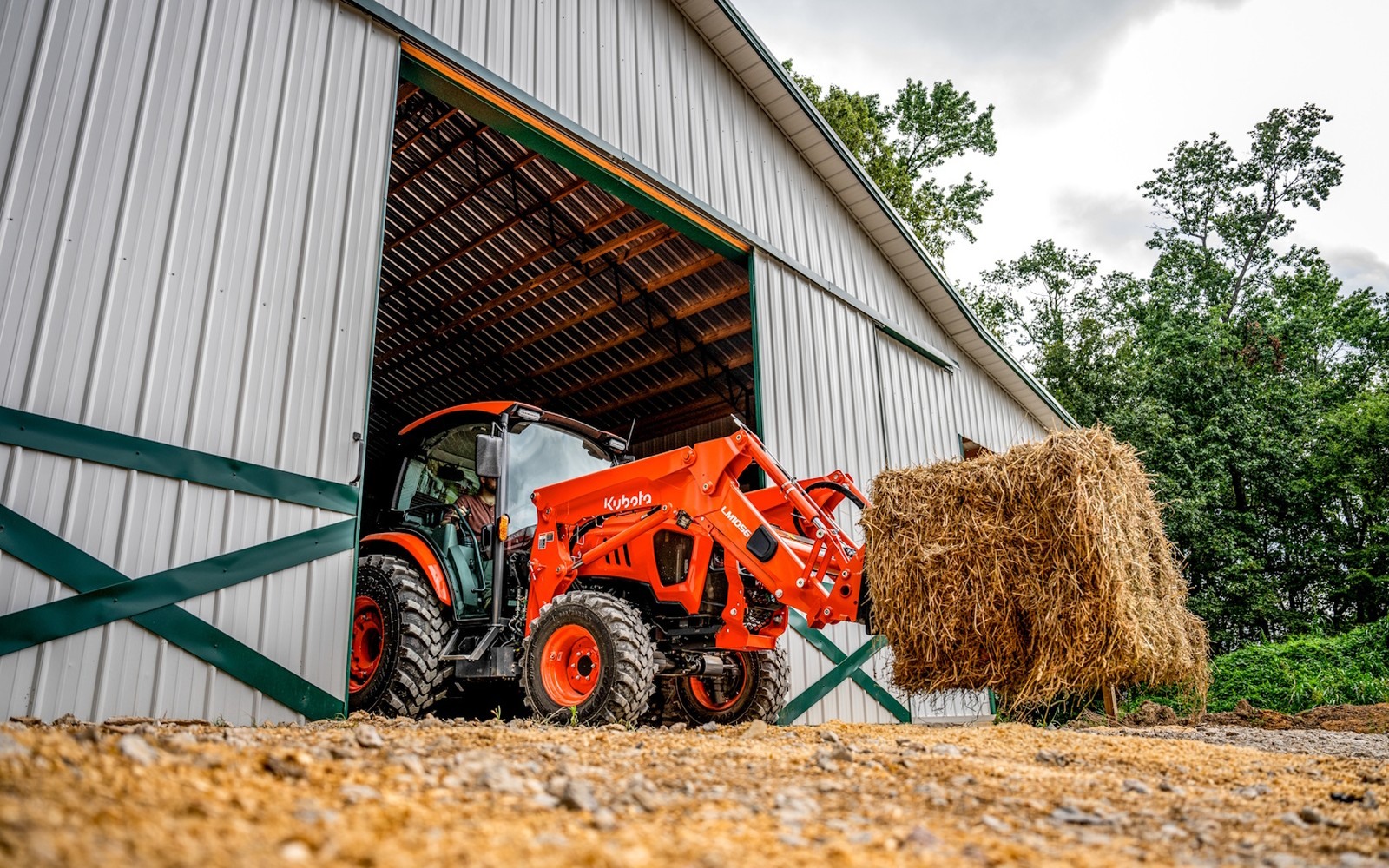
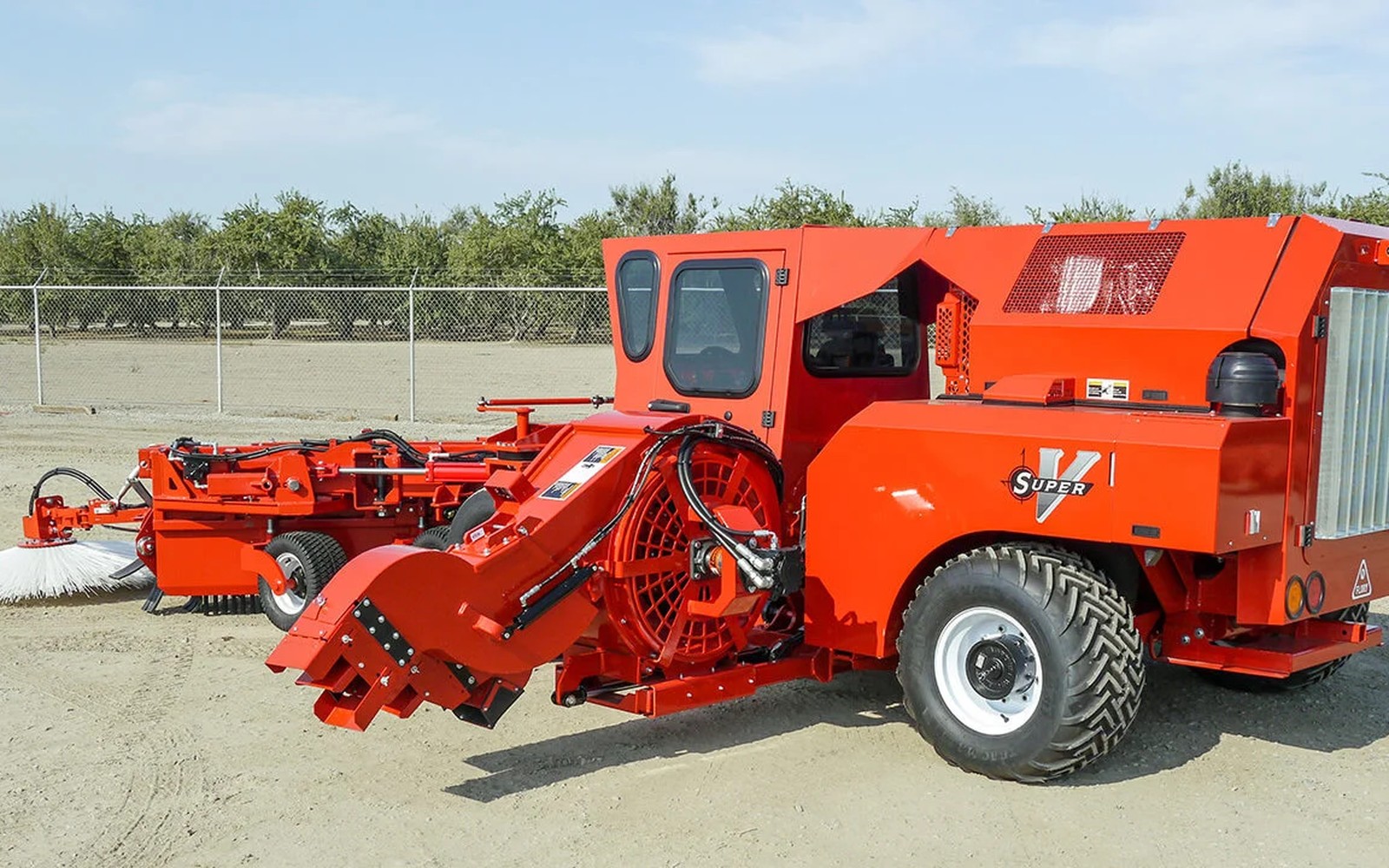
A hay operation runs a sequence of machines. Mowers go first, cutting the standing crop. Tedders spread the windrow to speed drying. Rakes consolidate the dry windrow for the baler. The baler makes the package, round or square. Wrappers and inoculant applicators follow for baleage or silage. Every machine in that sequence is a financing candidate, and operations that are upgrading or building out a complete system can benefit from financing that covers the whole progression rather than one piece at a time.
Large square balers represent the high end of the hay equipment market. A new large square baler from John Deere, New Holland, Massey Ferguson, or Krone runs $120,000 to over $200,000 new, and late-model used units with reasonable bale counts trade costing on the order of $60k to $130k. These machines are a significant investment for commercial hay operations and custom balers who run high annual bale counts. Our Krone financing page and the New Holland financing page cover those two brands in more detail.
Round balers, while less expensive per machine, still represent a real capital investment on any scale. A new premium round baler with net wrap and twine capability runs $50,000 to $90,000. Used models cover a wide range depending on age and bale count history. The baler financing page covers both round and large square baler financing in depth.
Farm Equipment
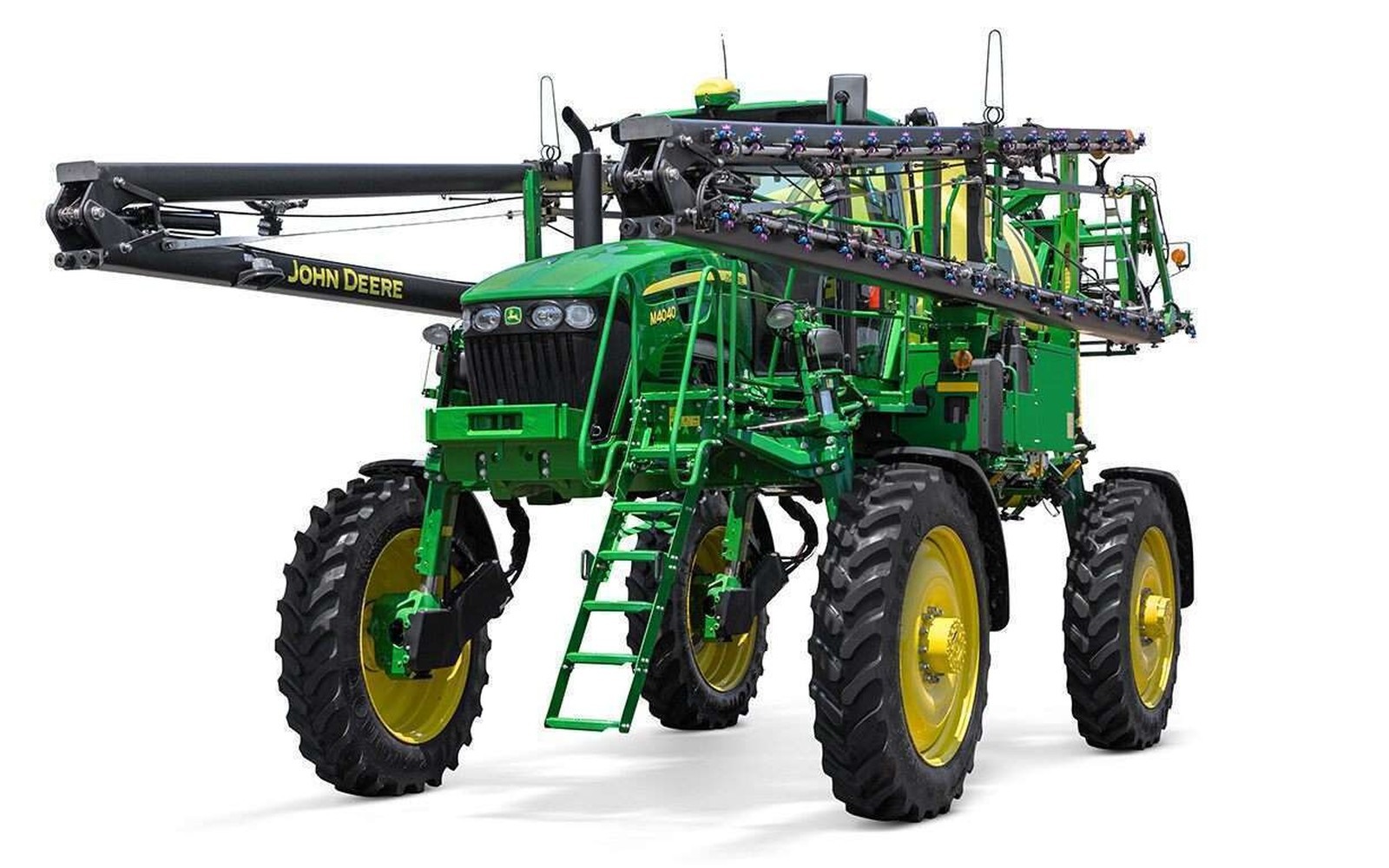
Forage Harvester Financing & Refinancing
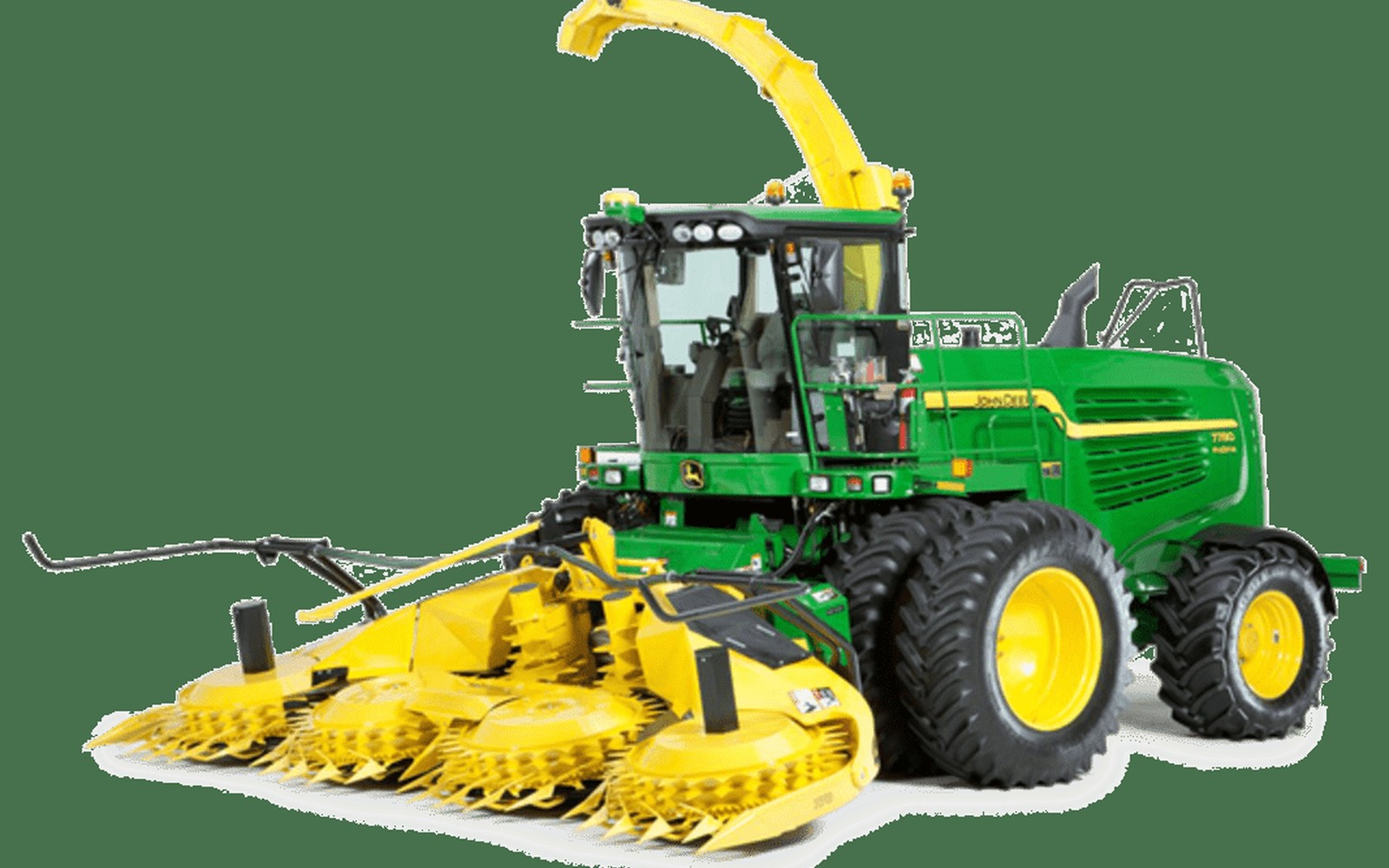
Finance or refinance forage harvesters and choppers for dairy and beef operations. Seasonal payment options, fast approvals, B/C credit.
Tillage Equipment Financing & Refinancing
Finance or refinance tillage equipment including chisel plows, vertical tillage, strip-till, and subsoilers. Seasonal payments, fast.
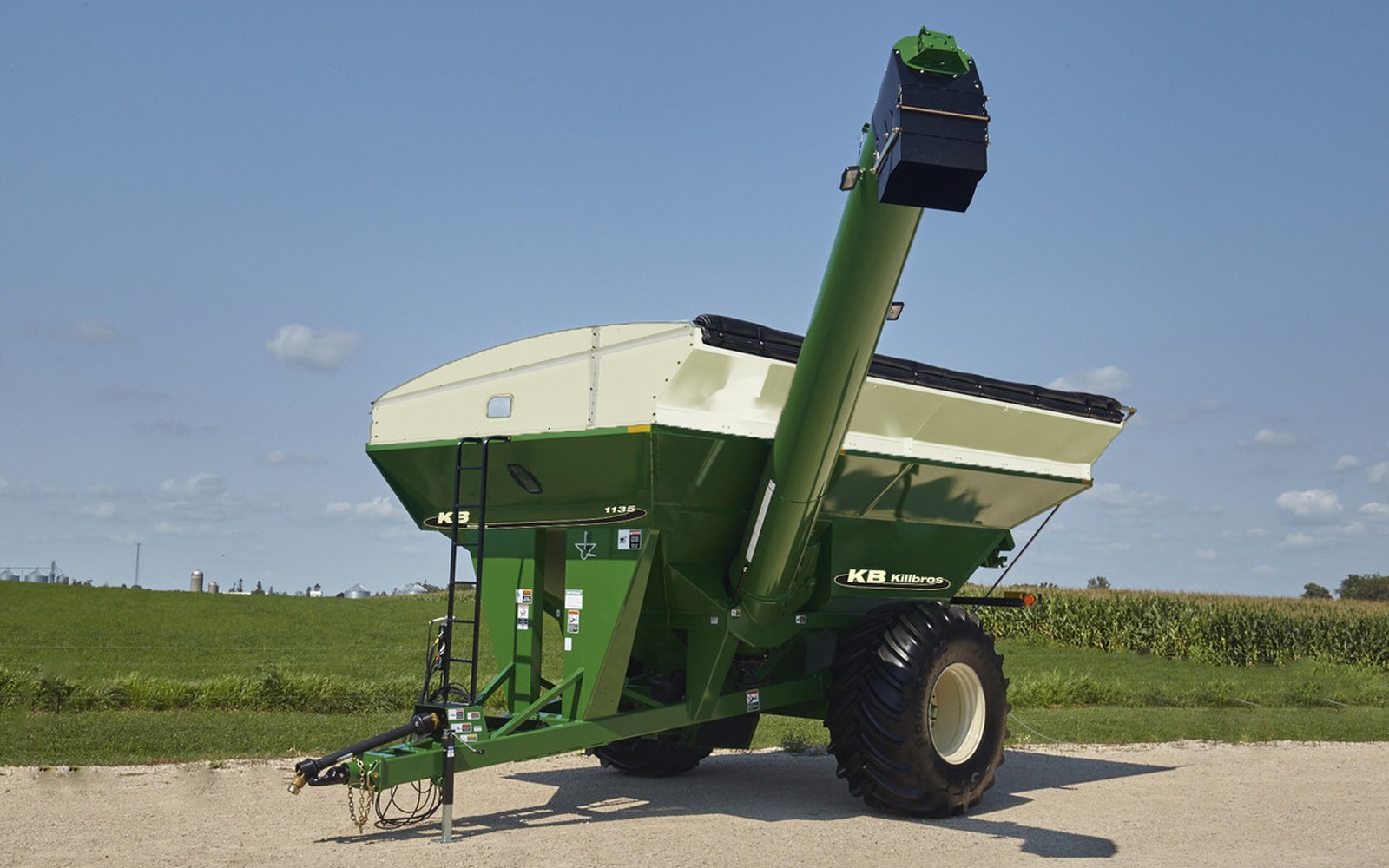
Grain Cart Financing
Finance or refinance a grain cart to keep harvest moving without bottlenecks. Streamlined file review to about $400k, seasonal payment.
Hay Producers and Livestock Operations
Commercial hay producers who sell hay as their primary or significant income source are one segment. These operations often run high-capacity equipment, multiple balers, large square baler systems, and invest in hay tarps, stacking equipment, and delivery trailers alongside the cutting and baling machines. The income pattern for a commercial hay seller is driven by cuttings and sales, which may happen through summer and fall depending on the market.
Livestock operations that raise their own hay are the other major segment. Cattle ranches and dairy farms that manage their own hay program reduce feed costs and feed security risk by controlling the hay supply. Cattle ranches and feedlots and hay and forage operations are two of the most active segments in this equipment category. Operations in the upper Midwest around Eau Claire, WI and in the forage-heavy areas of Minnesota and Iowa put heavy hours on hay equipment through a long summer cutting season.
Custom balers who provide baling services to farms that don't own their own equipment make up a third segment. These buyers need reliable, high-capacity machines because their income depends directly on bale counts.
Farm Refinance Questions
If you're acquiring the system together, we can look at combining it in a single transaction or running companion applications. The total value needs to meet our minimums and each piece needs to be a real capital asset.
Bale count is the wear metric for square balers, similar to how hours measure a combine's use. 30,000 bales is meaningful wear but not necessarily end-of-life on a well-maintained machine. We'd want to know the brand, the service record, and what the baler is currently worth before making that call.
Yes. Custom baling income is business income and we can work with it. Bank statements showing regular deposits from custom work help us understand the cash flow pattern. High bale counts per year on a custom rig also speak well for the machine's utilization.
A trade-in that reduces the purchase price effectively reduces what needs to be financed. We'd work from the net purchase price after the trade credit. That's a normal way to structure a baler upgrade.
Yes. A seasonal structure that steps payments down through the fall and winter months and higher through the cutting season is workable, especially for operations whose cash flow tracks cutting and sale cycles.
Ready to refinance this equipment?
Send the equipment list, payoff details, estimated values, and timing for a direct refinance review.
Refinance
Brands & Models
Copyright © 2026 Farm Equipment Refinance. All Rights Reserved.