Peanut Farms
Peanut producers rely on specialized digger-shaker-inverters, combines, and dryers that only work in a specific way. We finance peanut harvest equipment and.
Peanut farming has equipment that doesn't cross over to anything else. A peanut digger-shaker-inverter is built for one thing and it does that one thing in a hard, abrasive, high-throughput environment. The peanut combine that threshes and cleans the windrow runs for a short, intense harvest window and then sits for most of the year. Getting the financing right on that specialized equipment means understanding what it's worth in the peanut equipment market, not what a generic appraisal might say.
We work with peanut producers in Virginia, North Carolina, Georgia, Alabama, Florida, Texas, and Oklahoma. The equipment-intensive harvest season runs from late summer through the fall, and the farmer stock settlement from shellers and handlers comes weeks to months after delivery. That timing gap is part of peanut cash flow management, and a payment structure that accounts for it is worth building in from the start.
Most peanut equipment transactions run from $60,000 to $250,000 for harvest equipment. We finance new machines from dealers and good used equipment from other peanut producers.
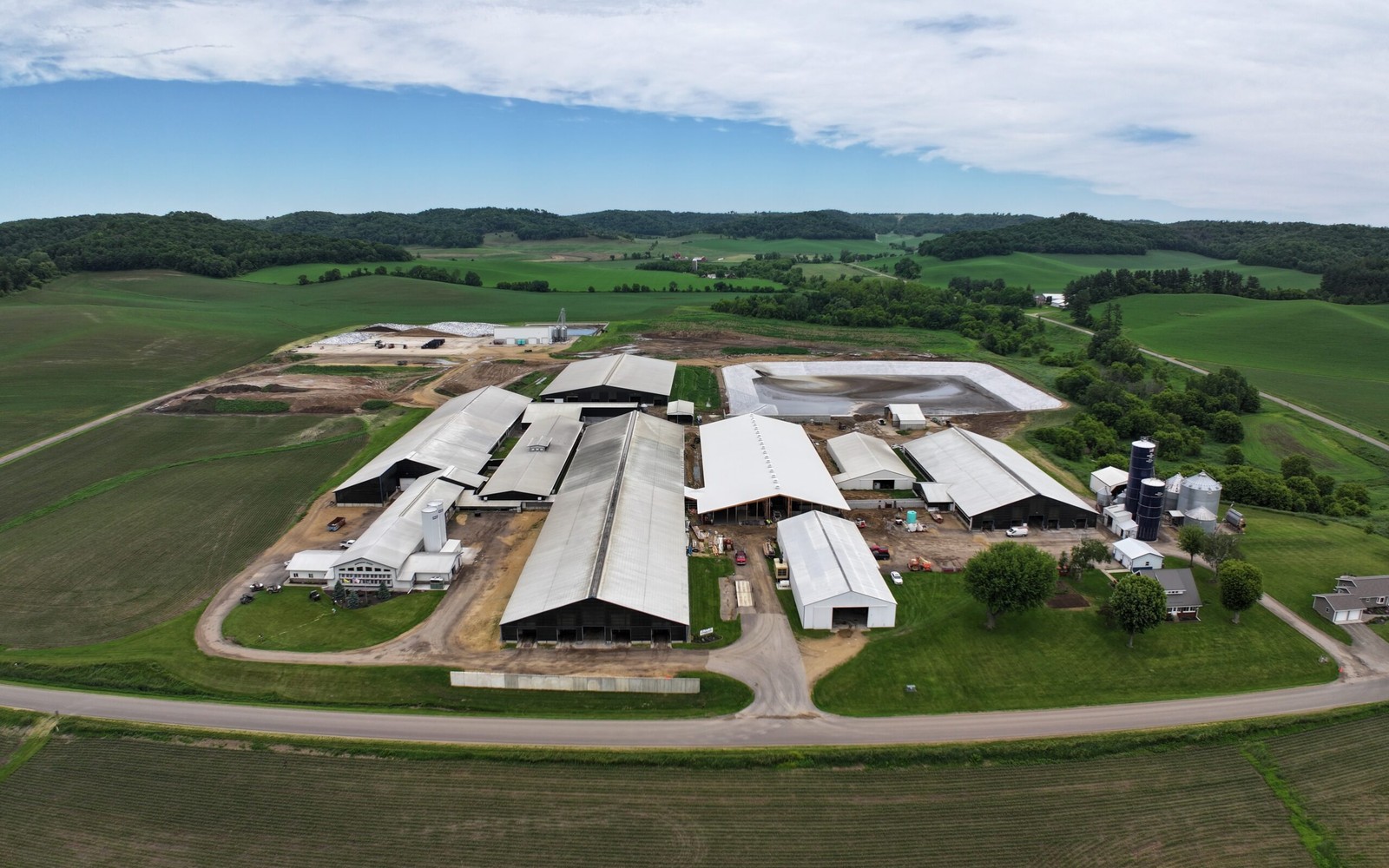
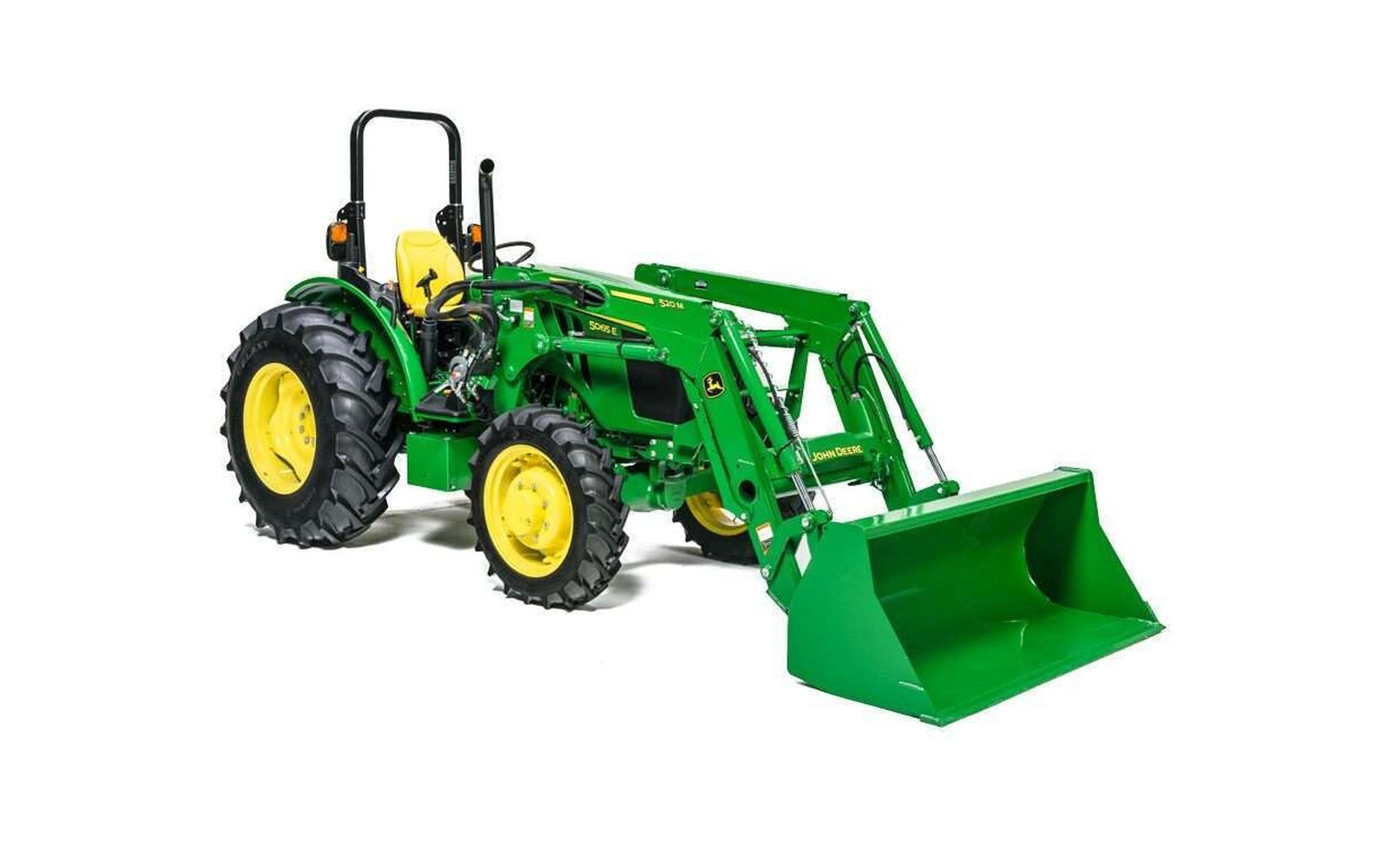
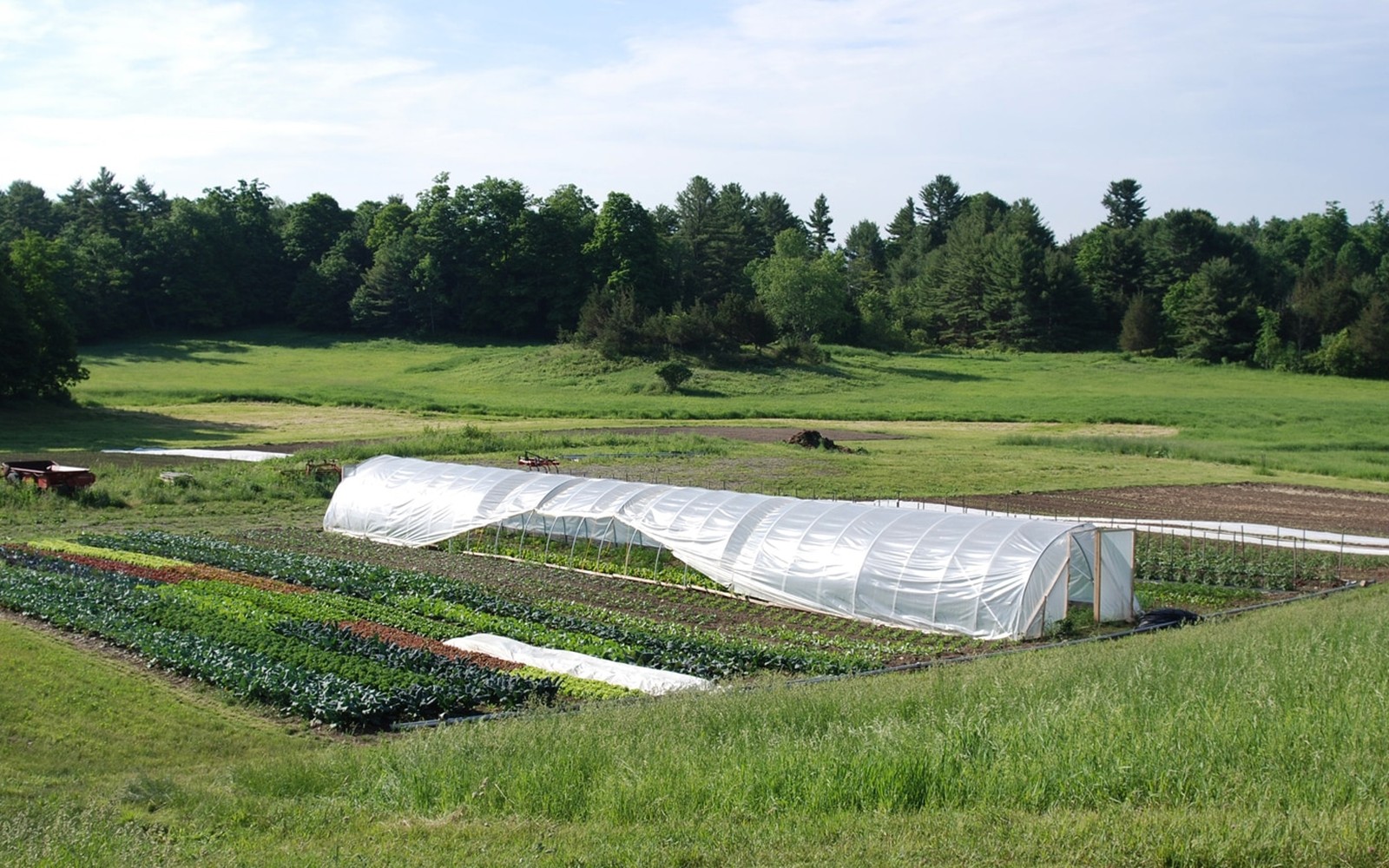
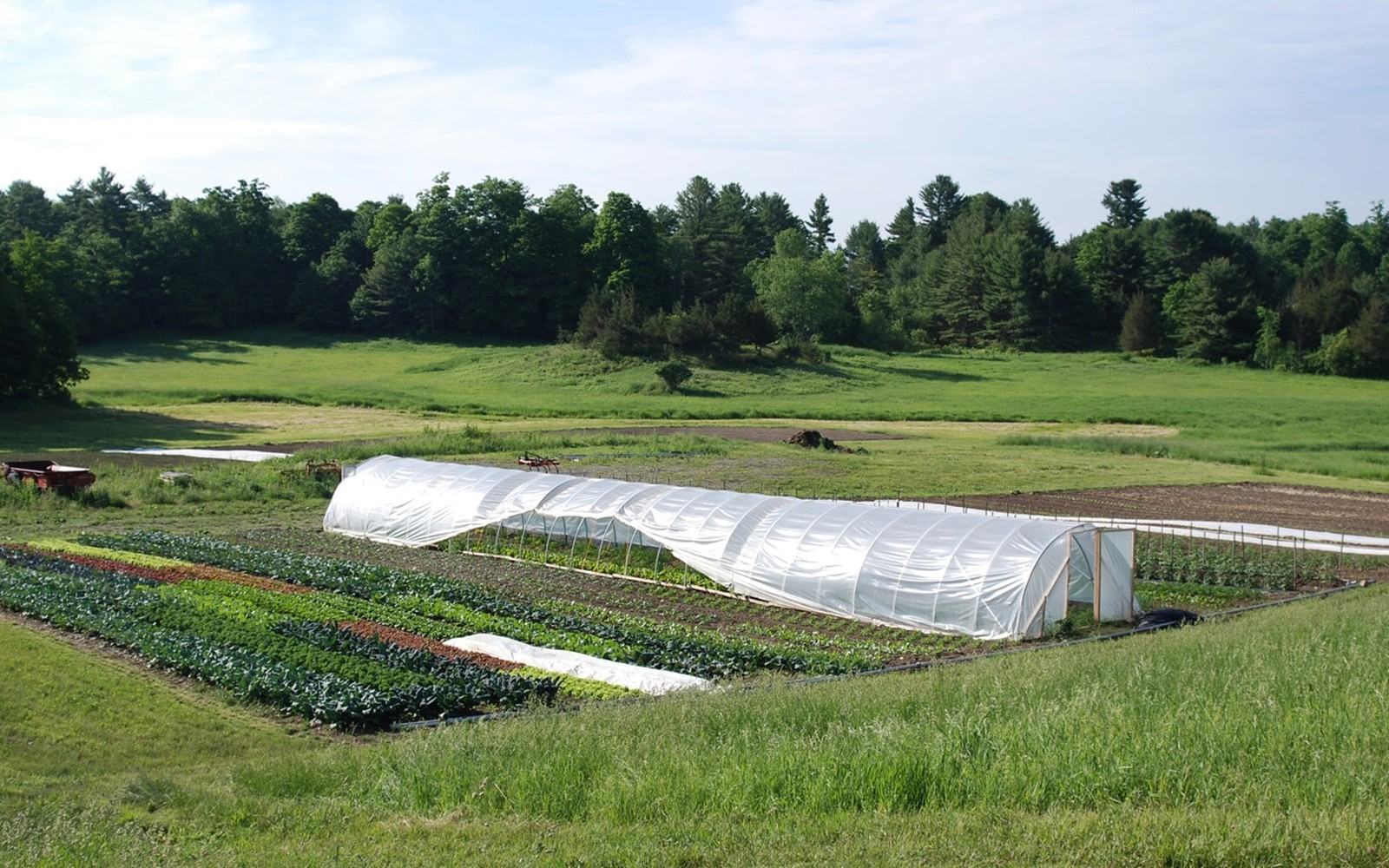
Peanut Operation Equipment We Finance
Peanut digger-shaker-inverters. The first pass of peanut harvest uses a digger that cuts the tap root, a shaker that removes soil from the plant, and an inverter that places the windrow vine-side-up to dry. This machine, often combined into a single unit, is the starting point of the harvest sequence and one of the most critical pieces in the operation. New units from major manufacturers run into six figures, and quality used machines are in steady demand in peanut country.
Peanut combines. The peanut combine follows the inverter through the windrow, threshing the pods from the vines and cleaning and conveying them to a hopper or tender. Peanut combines are complex, high-wear machines that require regular maintenance and eventual replacement. They represent one of the primary financing targets for peanut producers.
Tractors. Peanut operations need Tractors for land preparation, planting, in-season cultivation, and harvest support. Sandy loam soils common in peanut country require good traction and flotation. Row-crop and utility tractors are both common in peanut operations depending on the acreage and task.
Planters. Peanut planters configured for large-seed, in-shell peanut planting with the right row spacing and seed handling are another equipment category specific to this crop. Accurate seeding depth and plant population matter for uniform stand and yield.
Tillage. Deep tillage in the fall and spring ground prep are important in peanut production. Tillage equipment including sub-soilers and disk harrows on peanut ground is a regular financing category for producers who need to upgrade or replace older tools.
Drying and storage. On-farm peanut drying wagons and trailers equipped with forced-air heating systems are used to bring peanuts from harvest moisture down to safe storage or delivery moisture. These are specialized pieces of handling equipment that represent additional capital investment in the harvest system.
Farm Operations
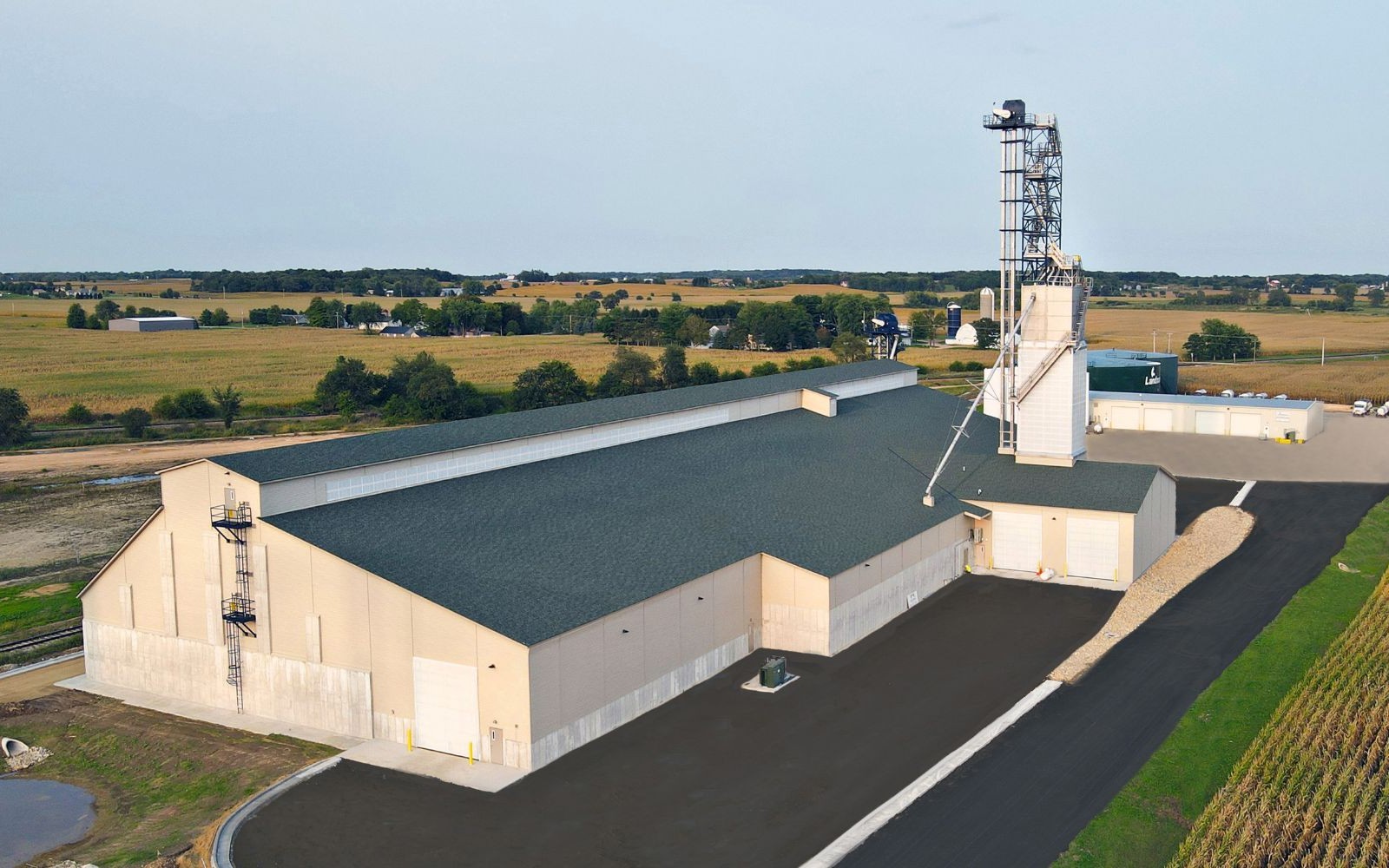
Agribusiness & Co-Ops
Agribusinesses and agricultural co-ops run equipment that serves both their own operations and their member producers. We finance and.
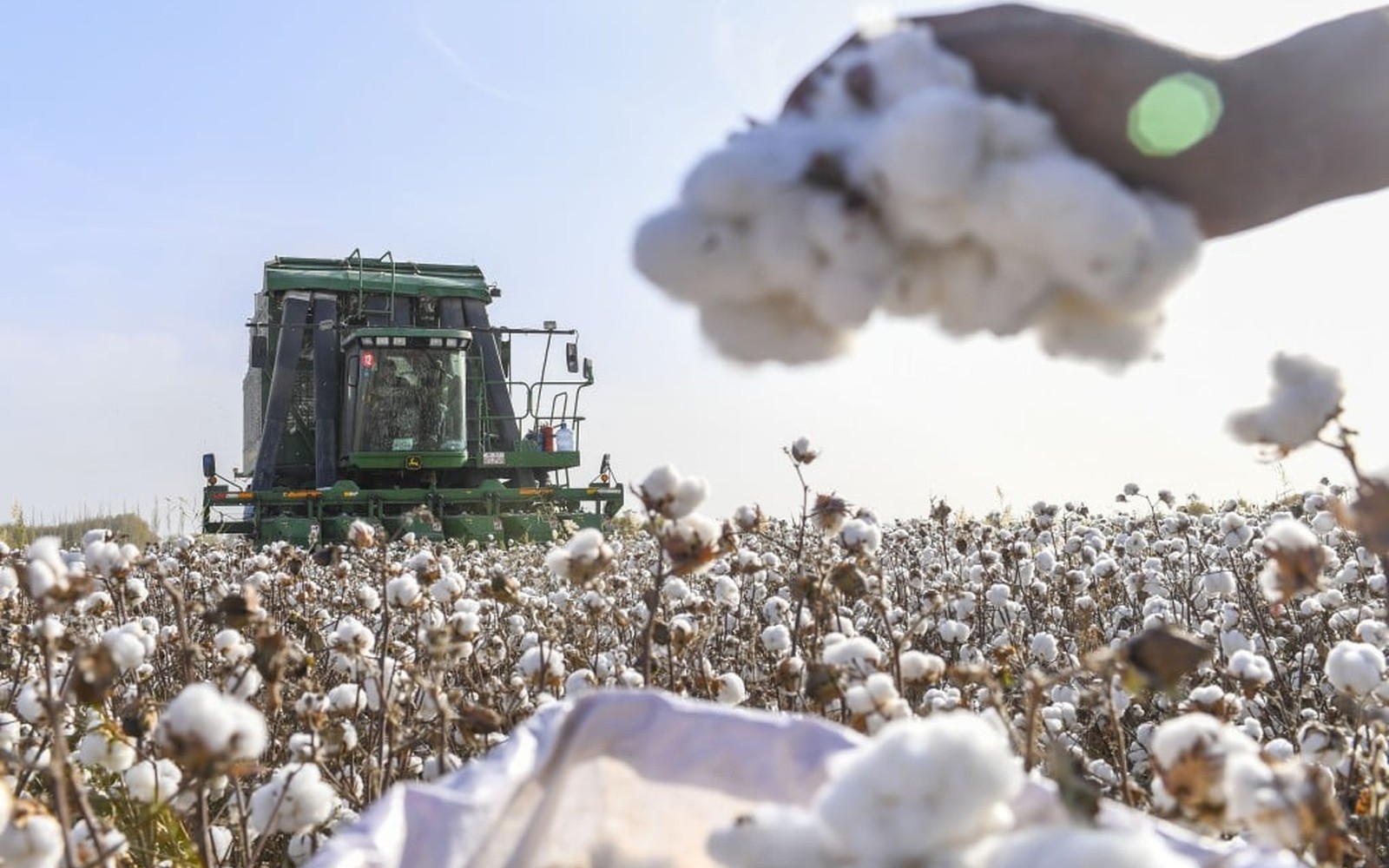
Cotton Farms
Cotton producers carry some of the highest per-acre equipment costs in American agriculture. We finance and refinance pickers, strippers.
Farm Equipment Dealers
Farm equipment dealers can offer customers alternative financing paths through us when manufacturer finance doesn't fit. We work with.
Payment Structures for Peanut Operations
Peanut settlement timing is an important input for payment structure decisions. Peanuts sold to a sheller or buying point on a farmer-stock basis may settle over a period of several weeks or months after delivery, depending on the contract and the buyer. Producers who grow peanuts under USDA quota programs or contract arrangements have somewhat predictable income timing, but it's different from the immediate grain-elevator settlement that corn or soybean producers experience.
Seasonal and skip-payment structures work well for peanut operations. Setting heavier payments in the fall and early winter when settlement arrives and lighter payments in the spring and summer when inputs and planting costs are the main outlays is a structure that matches the peanut calendar.
Equipment loan terms for peanut machinery typically run three to seven years depending on the asset and the transaction. Newer equipment on a longer term keeps monthly obligations lower. Older equipment on a shorter term cleans up the note before the machine reaches the end of its useful life.
Farm Refinance Questions
They can be combined into a single transaction or handled separately. Bundling the complete harvest system into one deal is often cleaner. We'll structure it whichever way makes more sense for the deal size and your situation.
Peanut settlement timing is something we build into the payment structure conversation from the start. If your checks arrive from shellers and buying points in October through December, we can set heavier payments in those months and lighter ones through the spring and summer.
Equipment that serves multiple crops in the same operation is a common situation and doesn't complicate the process. The machine is evaluated on its value and condition, not on what percentage of the season it works peanuts versus cotton.
Yes. Private-party purchases of peanut harvest equipment are handled regularly. The machine needs to be in working condition and we'll evaluate it on its market value in the peanut equipment segment. These transactions are straightforward.
The minimum deal size is $50,000. A used peanut combine in decent condition will typically clear that threshold. A new machine easily will. The exact amount depends on the machine's age, condition, and what you're paying for it.
Ready to refinance this equipment?
Send the equipment list, payoff details, estimated values, and timing for a direct refinance review.
Refinance
Brands & Models
Copyright © 2026 Farm Equipment Refinance. All Rights Reserved.