Organic Farms
Organic farm equipment needs include cultivators, cover crop seeders, compost applicators, and standard crop equipment. We finance organic operations with the.
Organic certification changes what goes into the ground, not how equipment financing works. An organic grain producer needs a combine, a planter, and a sprayer just like a conventional neighbor does. The cultivation equipment might be heavier and the tillage passes more frequent, but the equipment list is recognizable and the financing process is exactly the same. What's different is sometimes the cash flow, because organic premium pricing can change the revenue picture in ways that affect how payment structures are designed.
We work with organic crop producers, organic vegetable growers, organic dairy operations, and certified organic beef and livestock operations. The equipment is farm equipment regardless of the certification, and it finances the same way. The organic premium that certified producers receive often supports a stronger cash flow picture than conventional counterparts, which works in the operation's favor when we're reviewing the application.
The minimum deal size is $50,000. Organic operations tend to have a broader equipment list due to tillage and cultivation requirements, and many transactions bundle several pieces together into a single deal above that threshold.
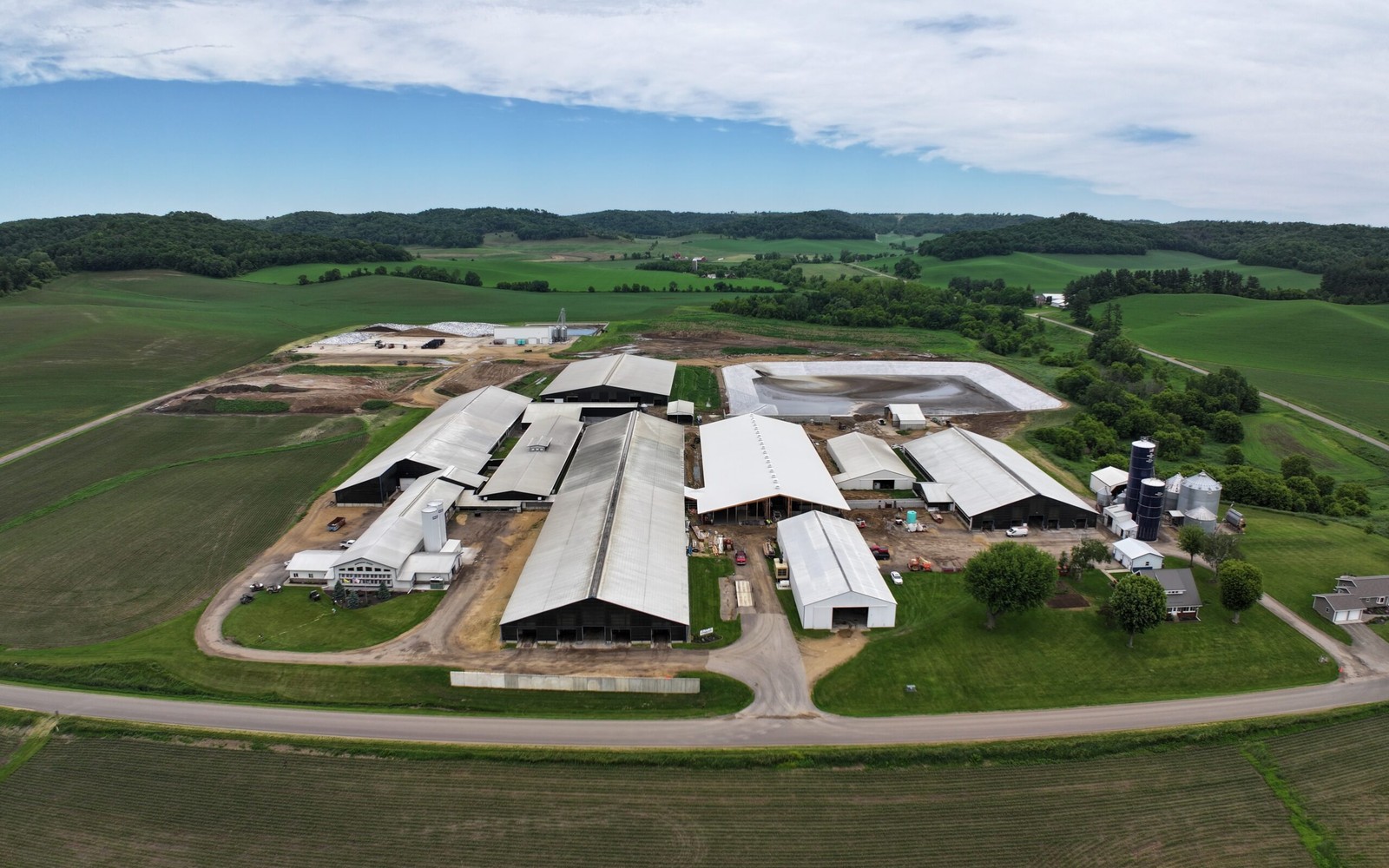
Equipment Organic Farms Finance
Cultivation and weed management. Organic crop production relies on mechanical cultivation where conventional farming uses chemical herbicides. Row-crop cultivators, rotary hoes, finger weeders, and inter-row equipment represent a category of implement investment that's unique to, or much more heavily used on, organic operations. While individual cultivator setups can be moderate in cost, a full cultivation equipment package for several hundred or thousand acres represents real capital.
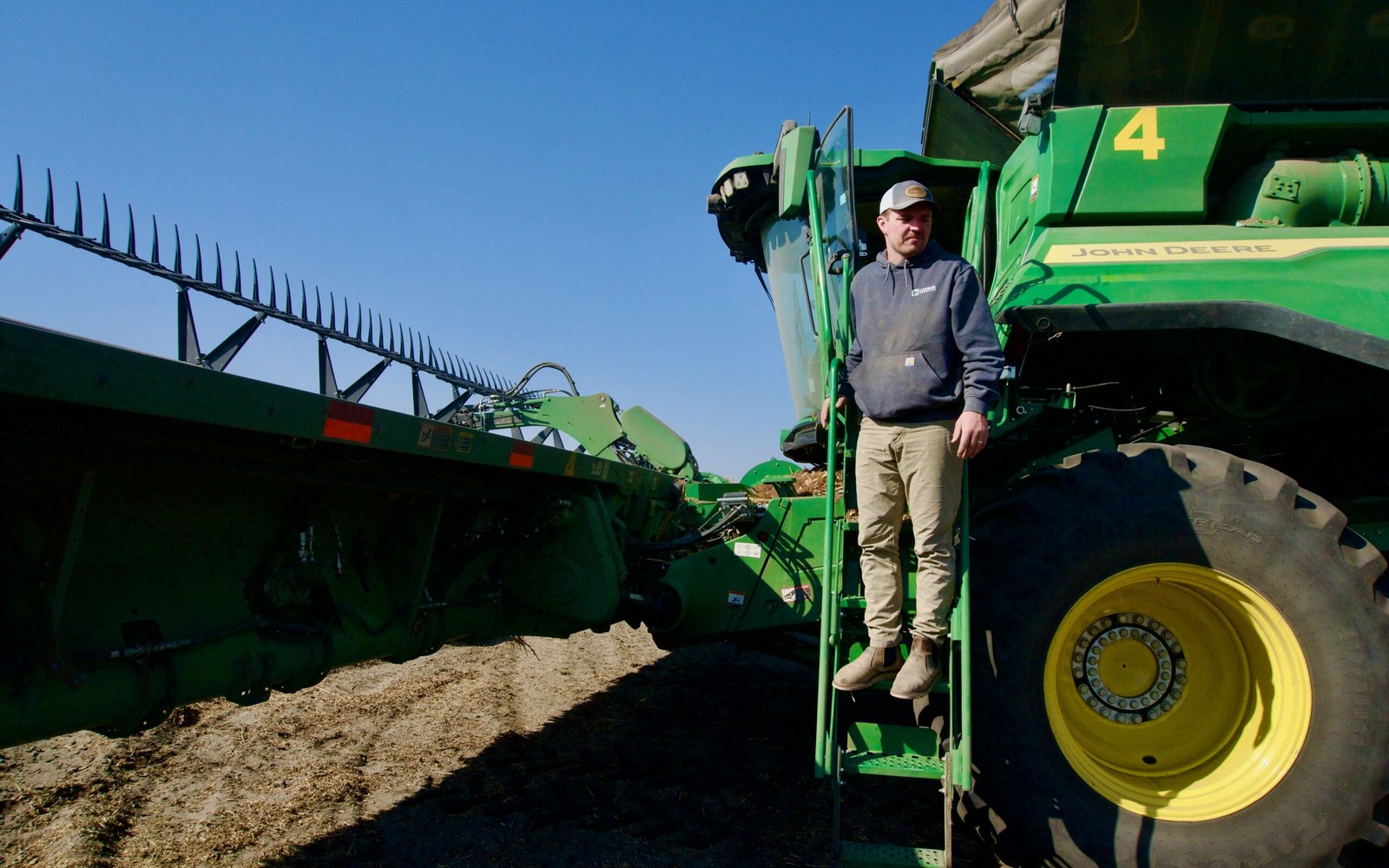
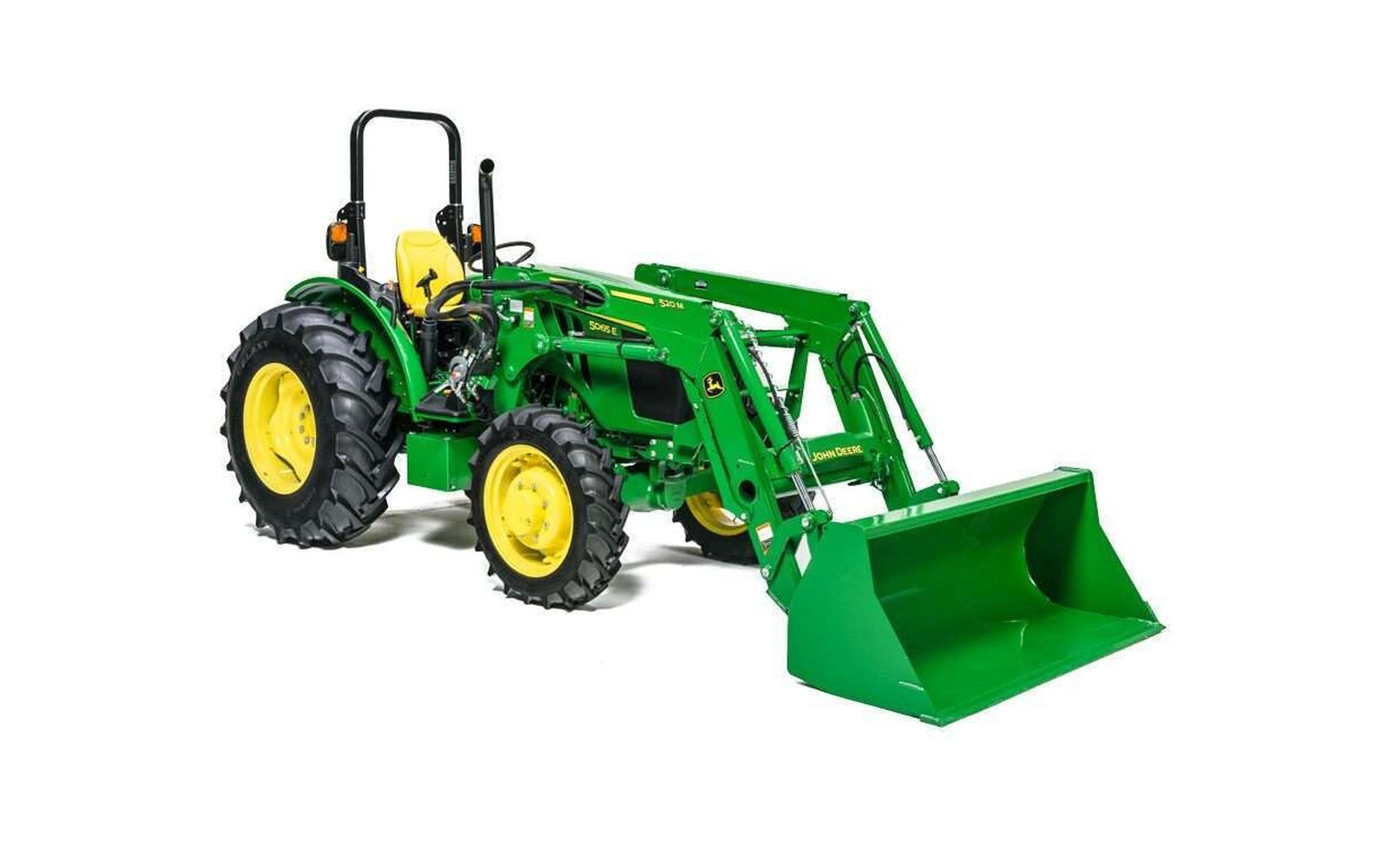
Standard crop equipment. Organic grain producers run the same Planters, combines, and Tractors as conventional producers. The equipment is evaluated on the same criteria, and it finances the same way. An organic producer looking to replace a combine or step up to a larger planter is a straightforward transaction.
Cover crop and seeding equipment. Cover cropping is more intensive on many organic operations as a soil health and weed suppression tool. Grain drills and air seeders capable of seeding into different crop residue situations and with multi-hopper capability for diverse cover crop mixes are equipment that organic producers finance regularly.
Compost and organic matter application. Organic fertility programs depend on compost, manure, and other organic amendments. High-capacity manure spreaders and compost applicators configured for solid organic material are important equipment investments for certified organic operations.
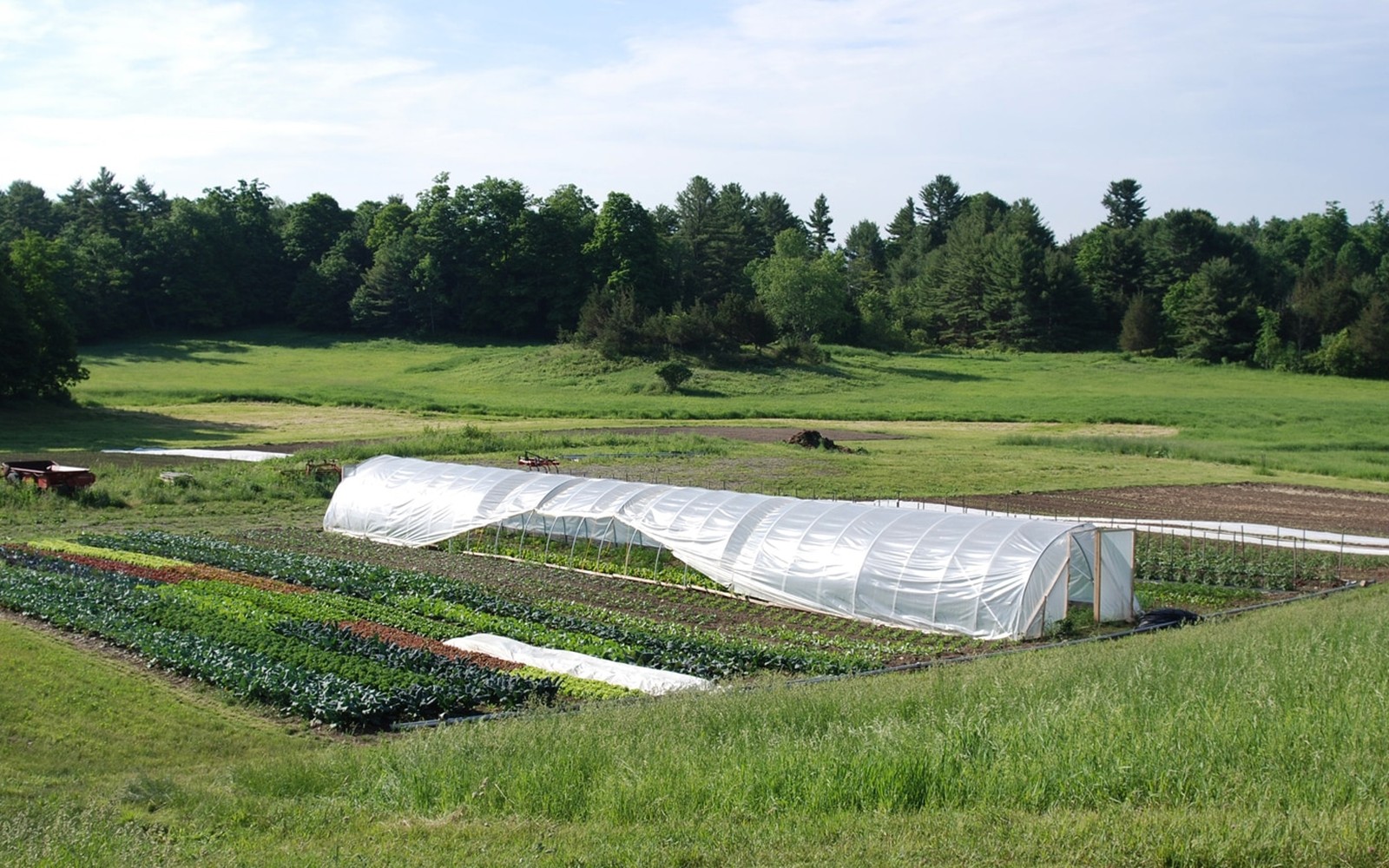
Specialty and vegetable equipment. Organic vegetable and specialty crop producers run the same transplant lines, harvesters, and irrigation systems as their conventional counterparts, plus additional cultivation and mechanical weed management tools. Irrigation infrastructure is particularly important for organic vegetable production where crop stress from inconsistent water management is managed more carefully without chemical support.
Farm Operations
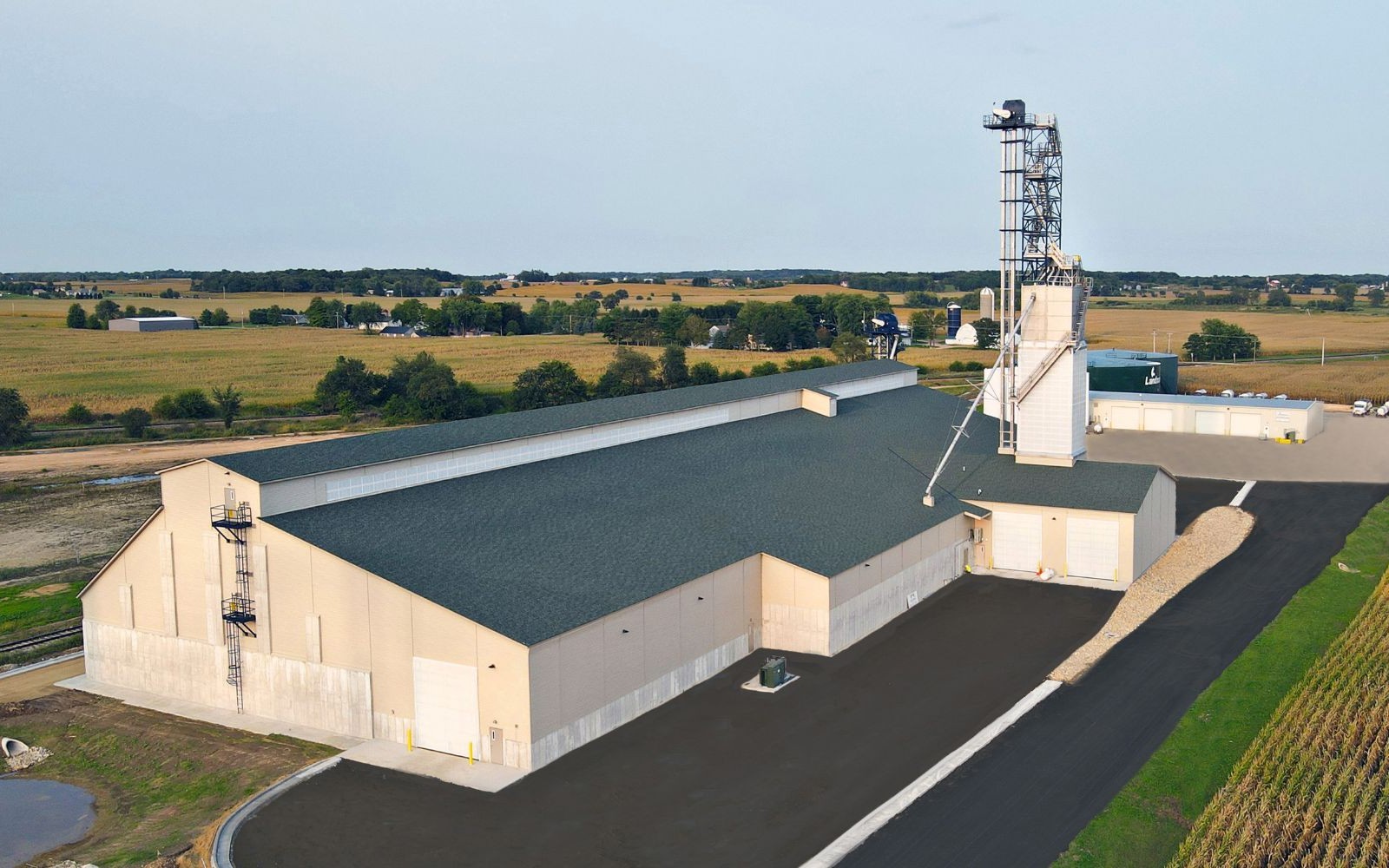
Agribusiness & Co-Ops
Agribusinesses and agricultural co-ops run equipment that serves both their own operations and their member producers. We finance and.
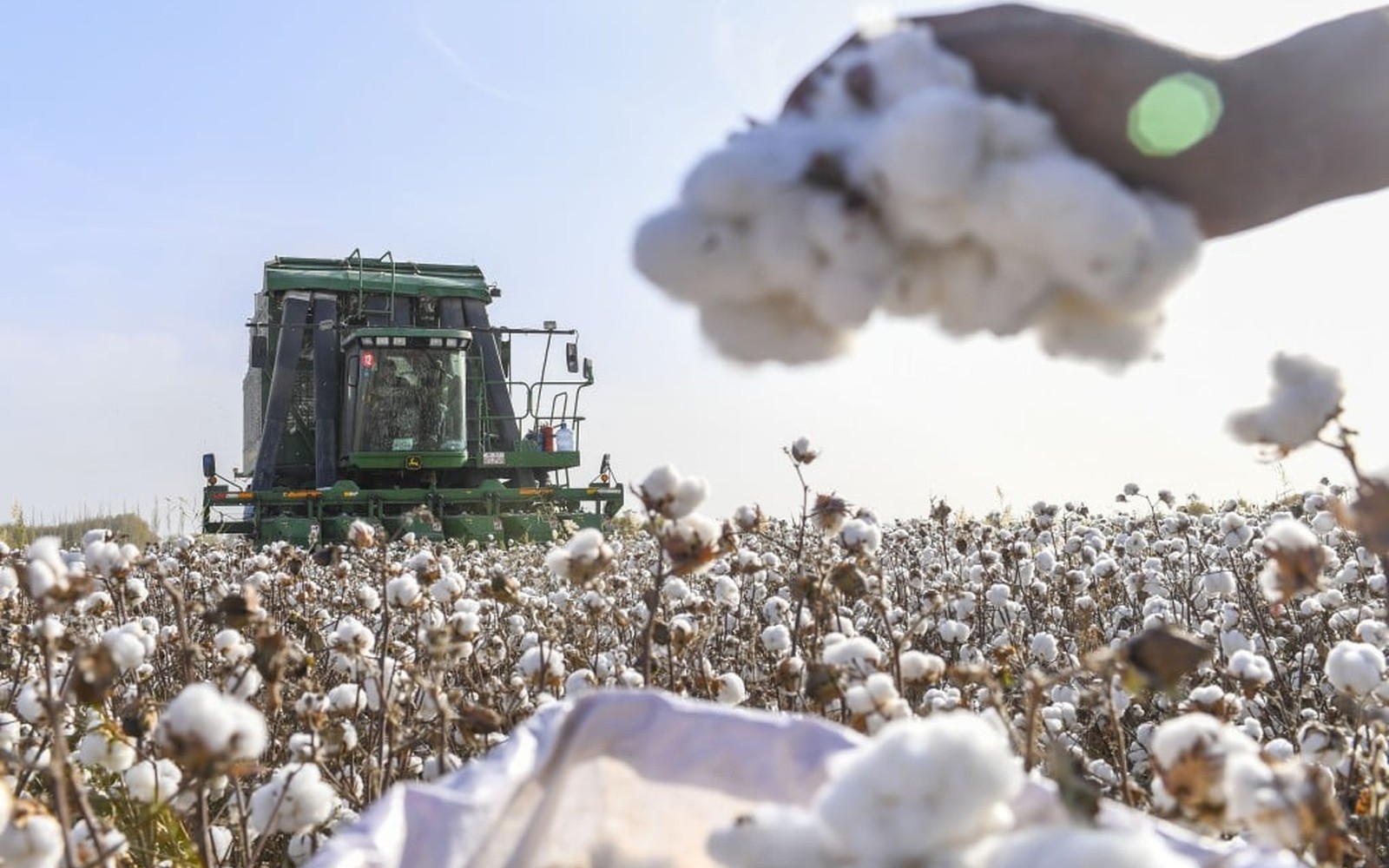
Cotton Farms
Cotton producers carry some of the highest per-acre equipment costs in American agriculture. We finance and refinance pickers, strippers.
Farm Equipment Dealers
Farm equipment dealers can offer customers alternative financing paths through us when manufacturer finance doesn't fit. We work with.
Organic Farm Economics and Financing
Organic commodity prices have historically carried a premium over conventional equivalents, though the size of that premium varies by crop, year, and market channel. Organic corn and soybean premiums in the Midwest, organic wheat premiums in the Plains, and the higher-value crops grown by organic vegetable and specialty operations all support better per-unit margins than conventional equivalents.
That margin difference is real in the financing context. An organic operation with documented premium pricing and reliable market channels may have a stronger income picture per acre than a conventional neighbor, which factors into how we evaluate the application. Premiums are real income and we look at them the same way we look at any other income from farming.
Transition years are a harder story financially. USDA organic certification requires three years of practices consistent with organic standards before the ground can be certified. Transition-year pricing is typically between conventional and fully organic certified pricing, which can compress margins during the transition period. Producers in the transition years may have a more complex financial picture that requires more conversation before we can put together the right financing structure.
Organic producers in Iowa, Wisconsin, and across the upper Midwest are among the most active organic grain producers in the country. We work with producers in these markets regularly.
Farm Refinance Questions
The organic certificate itself isn't required for financing, but the income from organic premiums is relevant to the review. If premium pricing is a significant part of your income picture, documentation of organic sales and pricing helps us understand the cash flow.
Transition years are a known challenge and we evaluate the trajectory rather than just the current year. An operation that's completing transition and has confirmed premium buyers lined up is a more workable situation than the transition year balance sheet alone might suggest.
Yes. Bundling related organic equipment into a single package transaction is common and often more efficient. We'll look at the combined value and structure the deal accordingly.
Yes. Debt consolidation across multiple equipment notes is something we work with. Rolling several smaller notes into a single payment with cleaner terms is often worth exploring.
Equipment that's used across both organic and conventional ground in the same operation is not a problem for financing. The machine is evaluated on what it is and what the operation's overall financial picture looks like.
Ready to refinance this equipment?
Send the equipment list, payoff details, estimated values, and timing for a direct refinance review.
Refinance
Brands & Models
Copyright © 2026 Farm Equipment Refinance. All Rights Reserved.