Working Capital vs. Equipment Financing
Should you finance the machine or get a working capital line? Understand how farm equipment loans and operating capital work differently so you borrow the.
Two farmers walk into spring with different problems. One needs a combine because the old one broke down and harvest is twelve weeks out. The other needs $80,000 to cover seed, fertilizer, and cash rent before the first deposit from grain sales arrives in November. Both need money, but the right tool for each one is different, and using the wrong product costs more and causes headaches neither of them needs.
Equipment financing and working capital are not interchangeable. Equipment loans use the machine as collateral, run on multi-year terms, and are priced for assets that hold their value. Working capital lines are short-term, revolving or term, and priced for operating expenses that cycle within a season. Understanding which problem you actually have determines which product fits.
How Equipment Financing Works
An equipment loan or lease is secured by the machine itself. The lender holds a lien on the title until the note is paid. Terms run from three to seven years depending on the equipment type, age, and program. Monthly or seasonal payments are fixed, and the machine builds equity as the loan pays down.
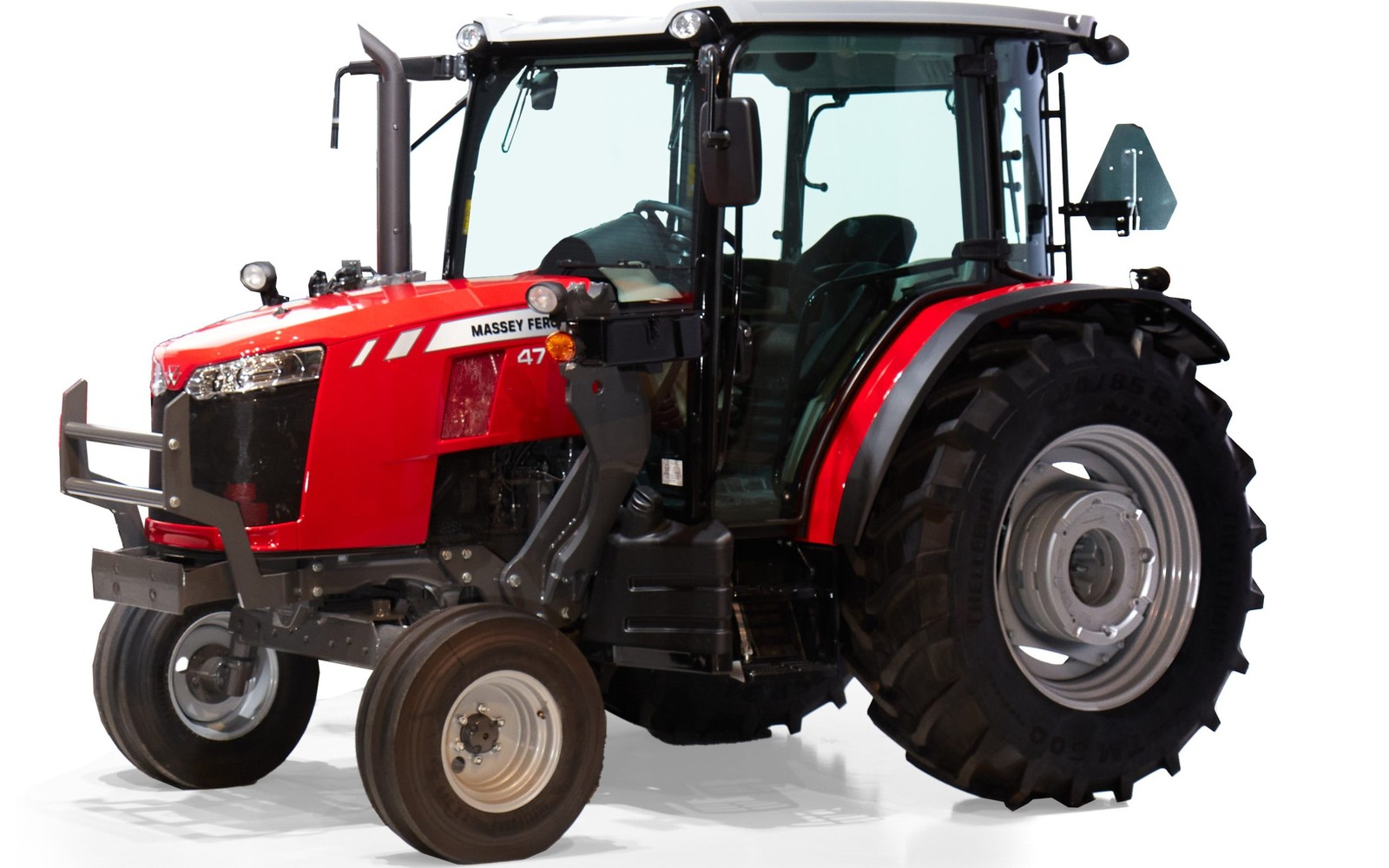
Equipment financing is purpose-built for assets: Tractors, Combines, grain bins and drying systems, sprayers, planters, and similar capital goods. The multi-year term spreads the cost of a major asset across its useful life, which is the correct financial logic for something that will earn its value back over multiple seasons.
Our equipment program starts at $50,000 and is streamlined file review up to about $400,000, which means three months of bank statements and the application are typically all you need to supply. Funding comes in roughly one to two weeks from approval. That is the right product when what you need is the machine, not the cash the machine would generate in theory.
Refinance Programs
Farm Application-Only Financing
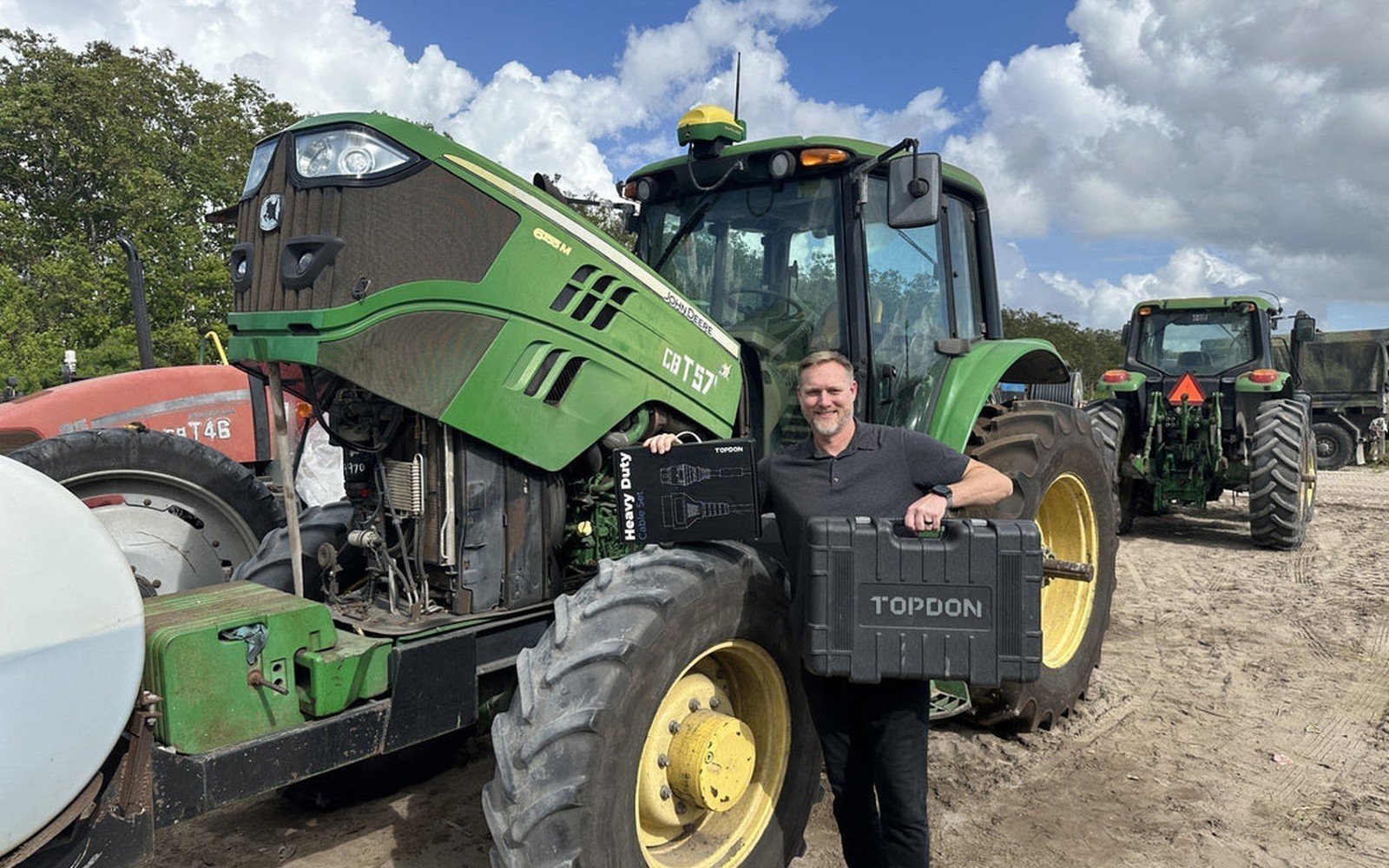
Finance farm equipment up to $400,000 with just an application and recent bank activity. No Schedule F package, no CPA statements, no long.
Bad-Credit (B/C) Farm Equipment Financing
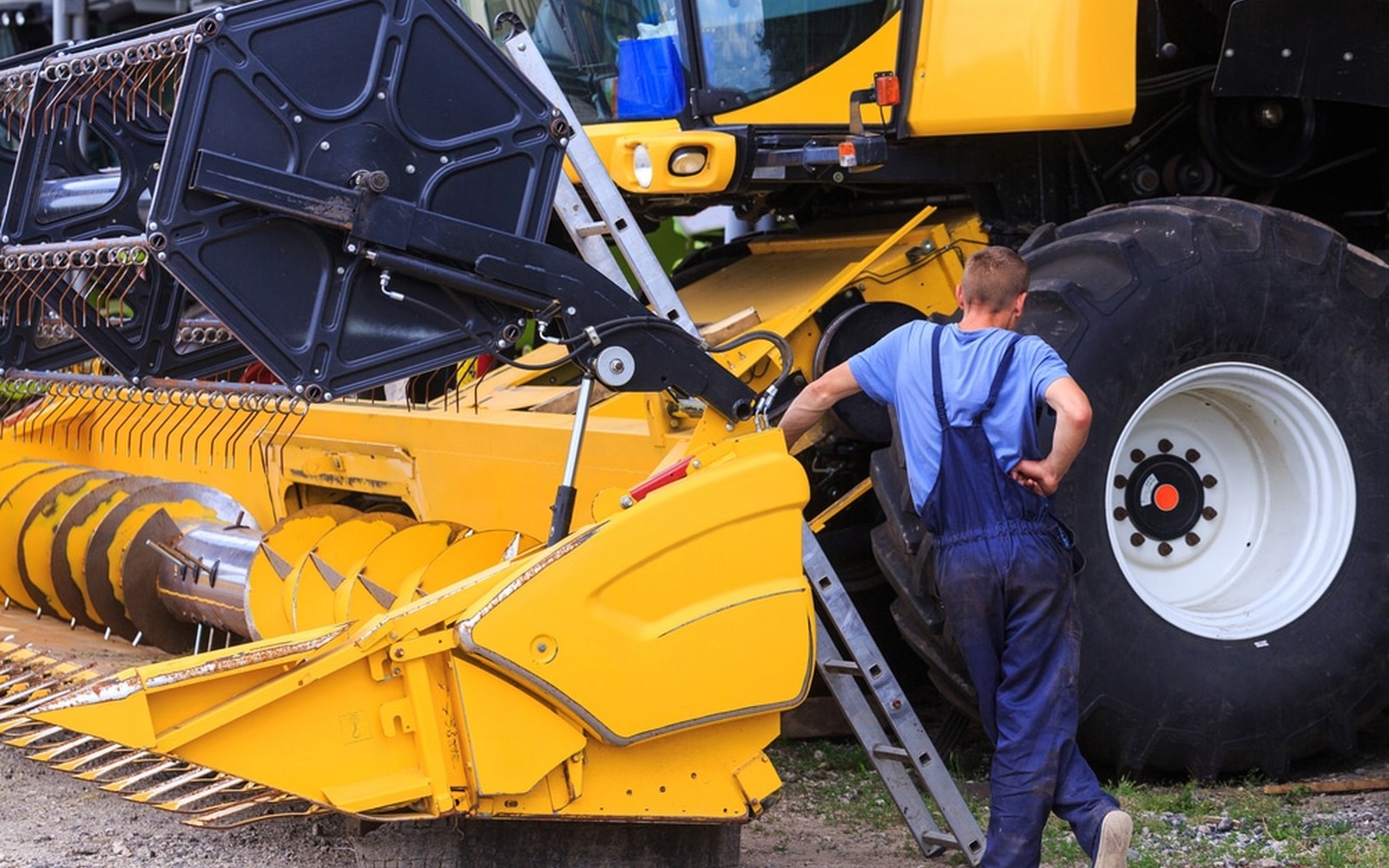
Equipment financing for farmers with challenged credit. We work with B and C credit situations, low scores, prior bankruptcies, and short.
Equipment Leasing
Farm equipment leasing keeps payments lower and lets you upgrade at end of term. We work with tractors, combines, sprayers, and more.
When Working Capital Is the Right Fit
Operating capital is what you need when the expense is seasonal and the income to repay it arrives in the same season. Seed corn, fertilizer, herbicide, cash rent, and custom harvest fees are operating costs. They flow in and flow out in the course of a single growing season. A revolving operating line of credit or a term operating loan from an agricultural bank, credit union, or the Farm Credit system covers these needs at terms calibrated for that short cycle.
The common mistake is using long-term equipment financing to cover short-term operating needs. An equipment loan at a seven-year term for seed and fertilizer means you are still paying for a crop you harvested six years ago. The interest cost over that term makes the original input cost look small by comparison, and the equipment-secured loan structure does not fit an unsecured operating expense anyway.
Equally, using a short-term operating line to buy a combine is a mismatch. The machine earns its value across ten or fifteen seasons, but the operating line comes due in twelve months. Forcing a major equipment purchase through a short line creates refinancing risk at renewal and subjects a long-term asset to short-term rate volatility.
Farm Refinance Questions
Technically yes, through a cash-out refinance or sale-leaseback if you have equity in machinery. But a straight equipment loan on a new purchase does not produce cash; it acquires the asset. For short-term cash needs, a working capital line is the correct product unless you are unlocking existing equity.
A cash-out refinance or sale-leaseback on paid-down machinery can deliver cash that helps relieve an operating line. The proceeds are unrestricted, so using them to pay down an operating draw and reset the line is a legitimate strategy producers use.
No. Inputs are operating expenses that turn over in a single season. Equipment financing runs three to seven years. Mixing them creates a mismatch between the loan life and the asset life that costs you more in interest and muddies the balance sheet.
Many producers close an equipment loan for the machine and simultaneously pursue a cash-out or operating line for working capital. The two can run in parallel through separate processes. We focus on the equipment side; your ag bank or Farm Credit office handles the operating line.
Equipment financing, especially for deals over $50,000, is best placed through a specialist who knows the collateral and can match you to the right lender. Operating lines are usually best through an established agricultural bank or Farm Credit relationship where you have history and where revolving credit products are their core business.
Ready to refinance this equipment?
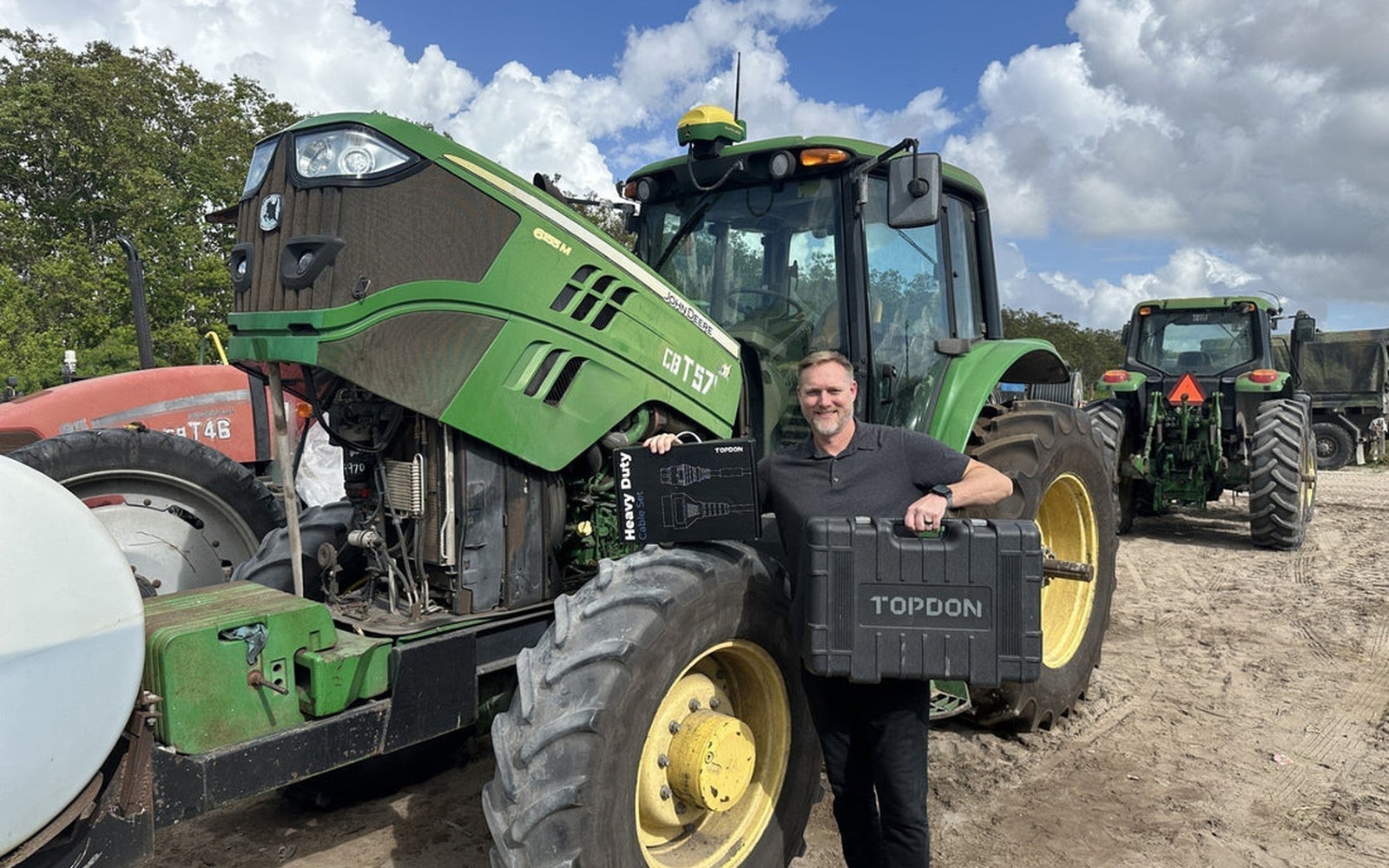
Send the equipment list, payoff details, estimated values, and timing for a direct refinance review.
Refinance
Brands & Models
Copyright © 2026 Farm Equipment Refinance. All Rights Reserved.