Orchard & Vineyard Equipment Financing
Finance orchard shakers, vineyard harvesters, hedgers, sprayers, and specialty equipment. Seasonal payment structures, B/C credit considered, funding in 1-2.
Tree fruit and wine grape operations carry some of the highest per-acre equipment costs in production agriculture. The machinery is specialized, it does not cross over easily from other crops, and harvest timing is fixed by the biology of the crop rather than the operator's convenience. Financing the right equipment for your orchard or vineyard block, and structuring the payment around what actually happens at harvest and at the winery gate, is part of running a sustainable perennial crop operation.
We finance orchard shakers and catching frames, vineyard harvesters, canopy hedgers and toppers, row-crop compatible sprayers for tree fruit and vines, orchard platforms and picking aids, and bin carriers. Deals start at $50,000. Vineyard harvesters and large-block orchard shaker systems can run from $150,000 to over $500,000. Both new and used equipment qualify, and payment timing can align with post-harvest crop receipts rather than the pre-harvest expense season.
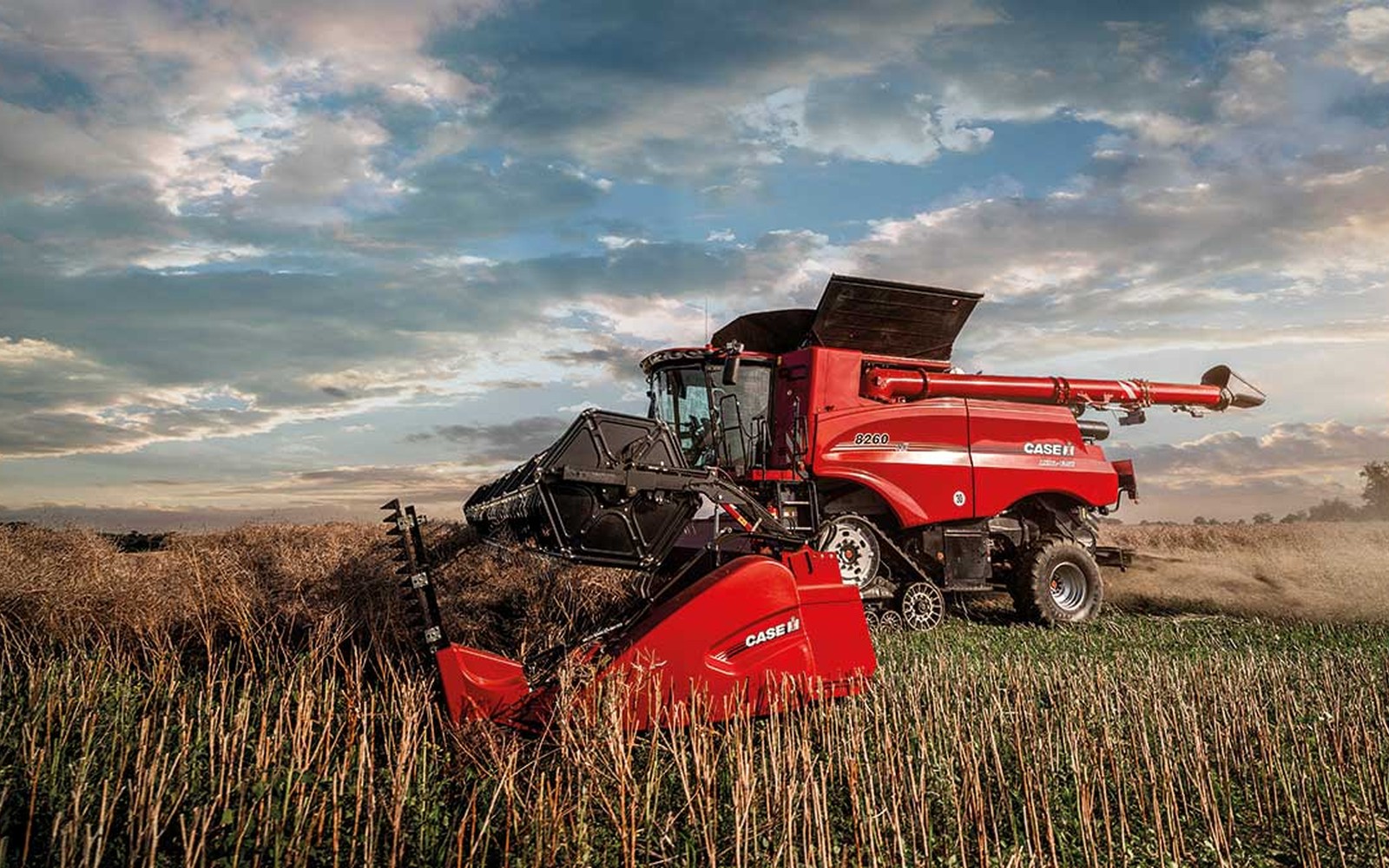

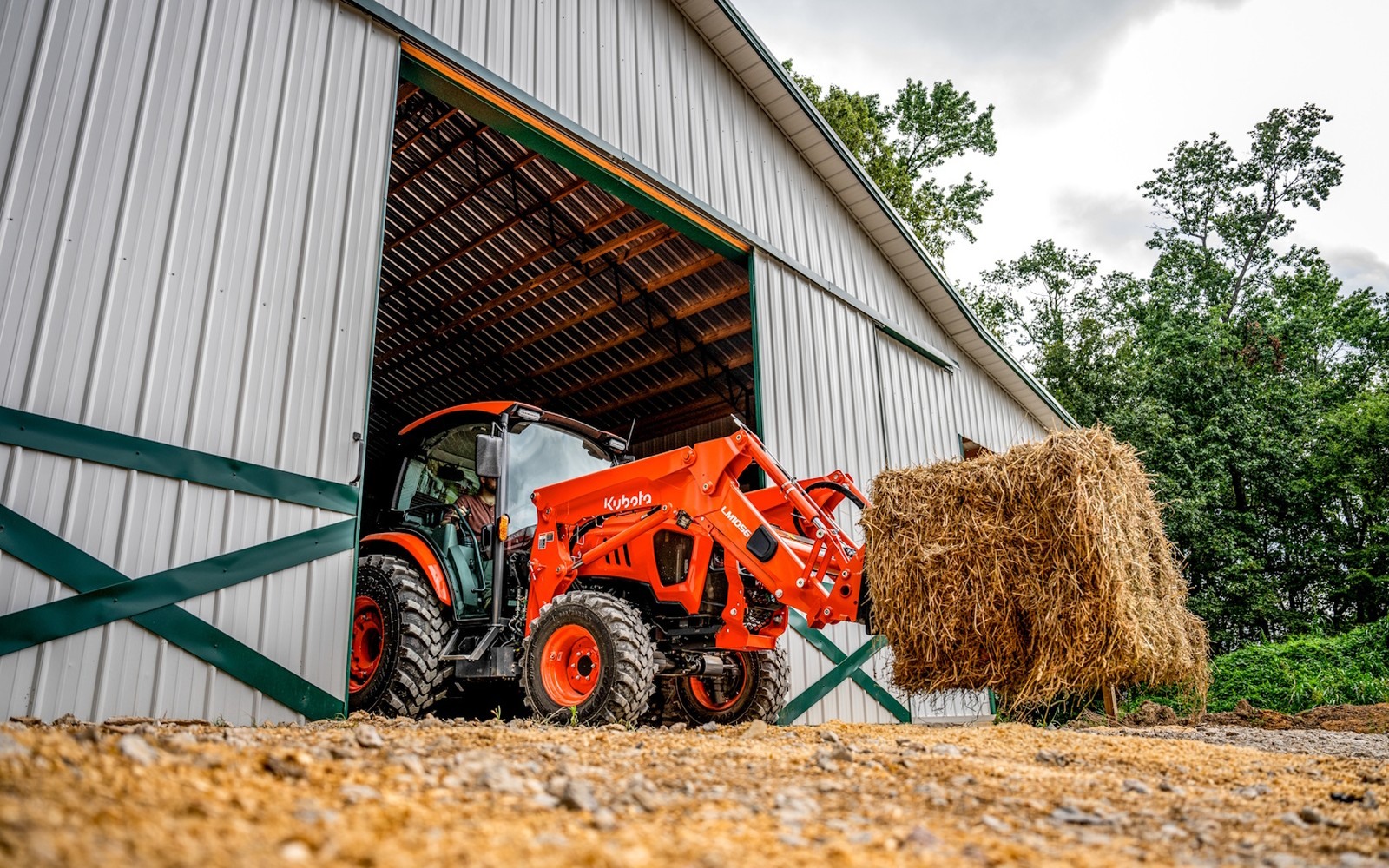
Orchard and Vineyard Equipment We Finance
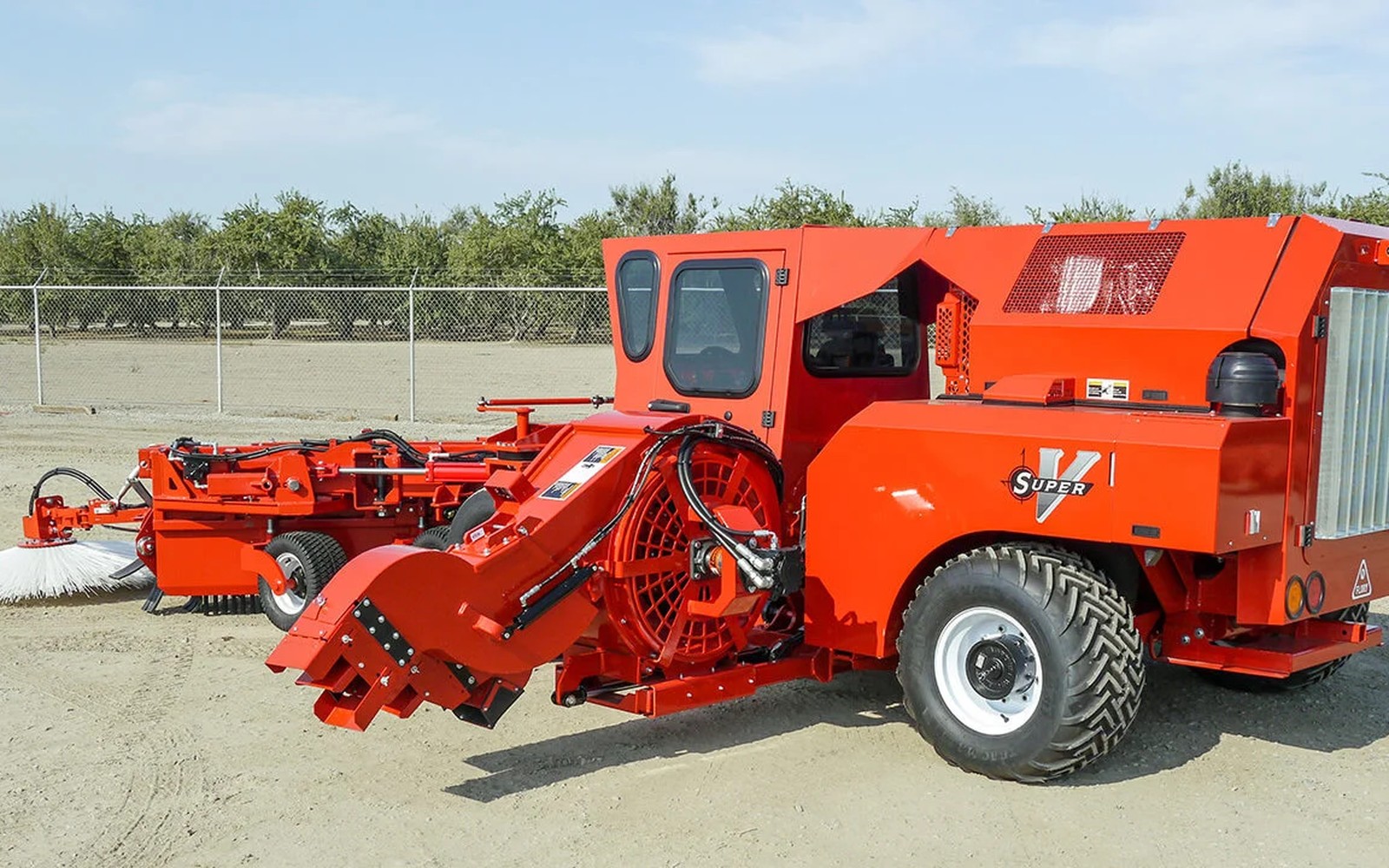
The orchard equipment category covers harvest machines, canopy management tools, and labor-aid platforms. Tree shakers for almonds, walnuts, and other nuts are high-value, specialized machines. A trunk shaker from companies like Orchard Machinery Corporation (OMC), Oxbo, or Moresil handles the harvest function that was previously done by hand. Catching frames, which deploy under the canopy to catch the shaken fruit, are often financed together with the shaker as a package.
In the stone fruit and apple categories, catching platforms and over-the-row machines speed up the harvesting of fruit that still requires some degree of selective picking. These range from simple drive-through platforms that elevate pickers to over-the-row harvest-assist machines that mechanize much of the pick. California's San Joaquin Valley, Washington State's Yakima and Columbia valleys, and the Michigan fruit belt are the primary markets for this equipment.
Vineyard harvesters are specialized self-propelled or pull-type machines that harvest wine grapes efficiently across large blocks. Gregoire, New Holland, CGBI, and Pellenc are among the manufacturers whose machines are used extensively in California wine country and the Pacific Northwest wine regions. A self-propelled vineyard harvester capable of working in close rows can cost $200,000 to $400,000 or more.
Hedgers, toppers, and shoot positioning machines handle the canopy management work that determines the next year's crop structure in a well-managed vineyard. These are annual-use machines on any serious vineyard operation and justify financing over a term that matches their useful life.
Orchard sprayers, sized and configured for tree fruit and vine spacing, differ meaningfully from field sprayers. Airblast sprayers, canopy-sensor-driven electrostatic sprayers, and tunnel sprayers are common in orchard and vineyard operations and qualify for financing.
Farm Equipment
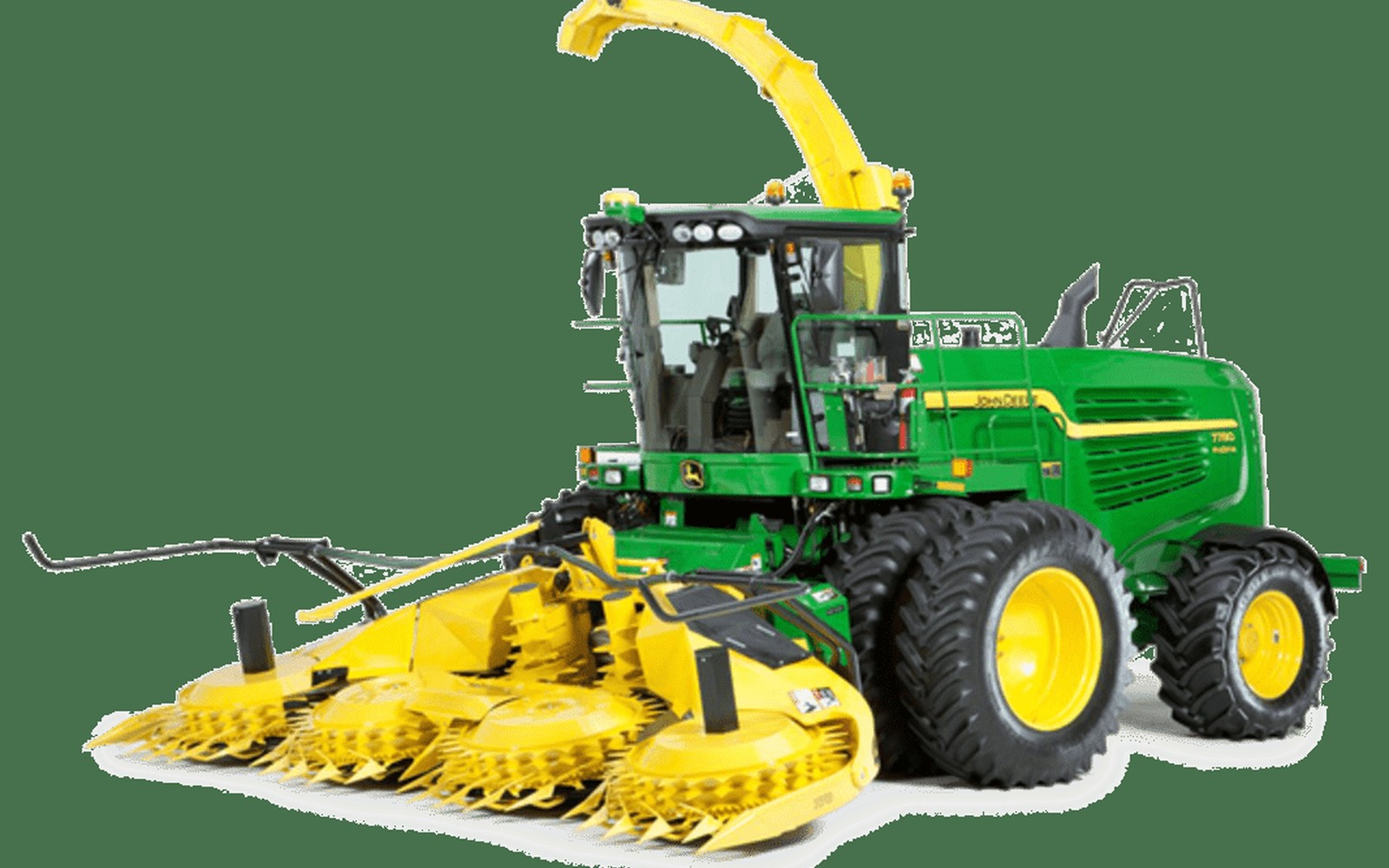
Forage Harvester Financing & Refinancing
Finance or refinance forage harvesters and choppers for dairy and beef operations. Seasonal payment options, fast approvals, B/C credit.
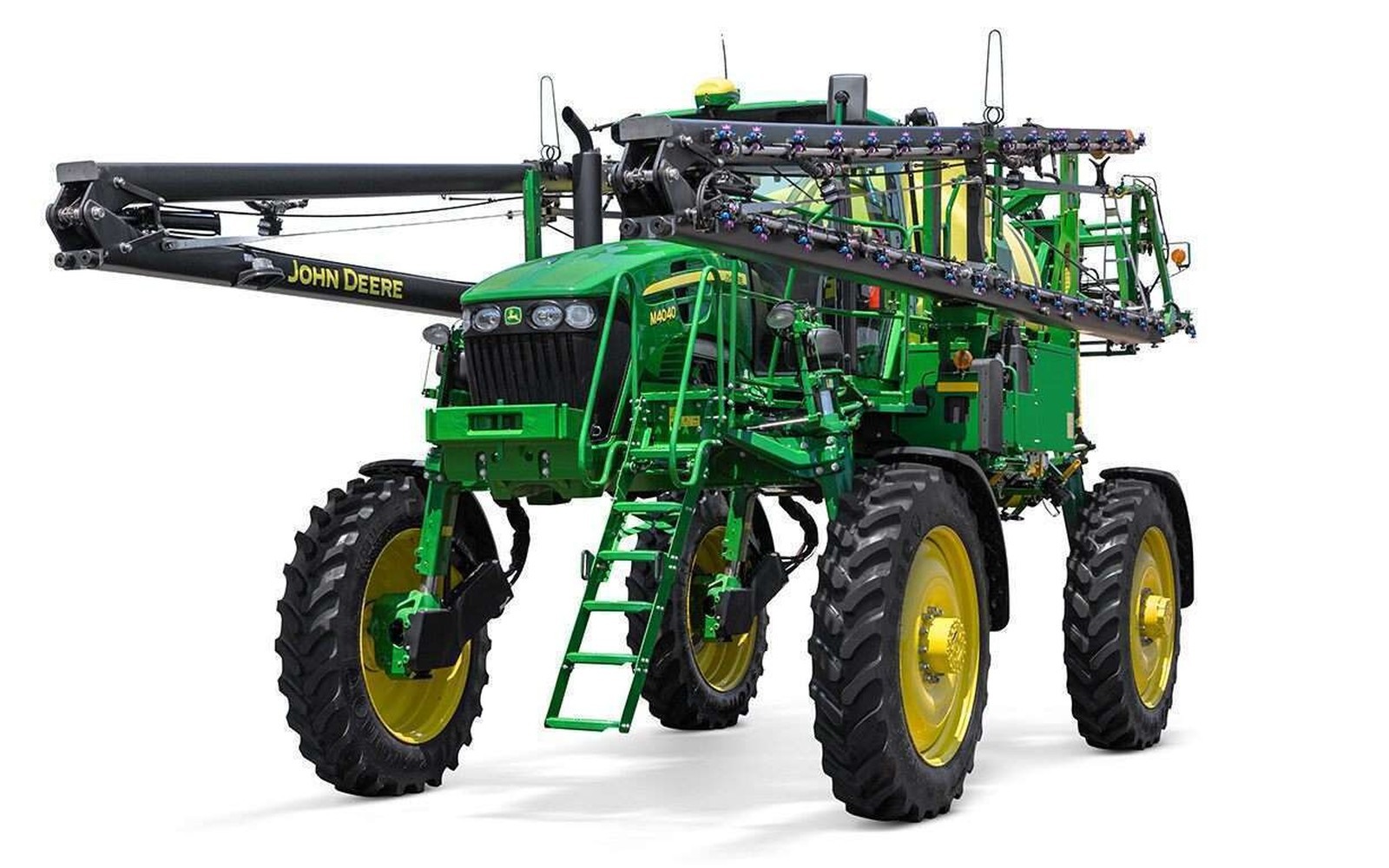
Tillage Equipment Financing & Refinancing
Finance or refinance tillage equipment including chisel plows, vertical tillage, strip-till, and subsoilers. Seasonal payments, fast.
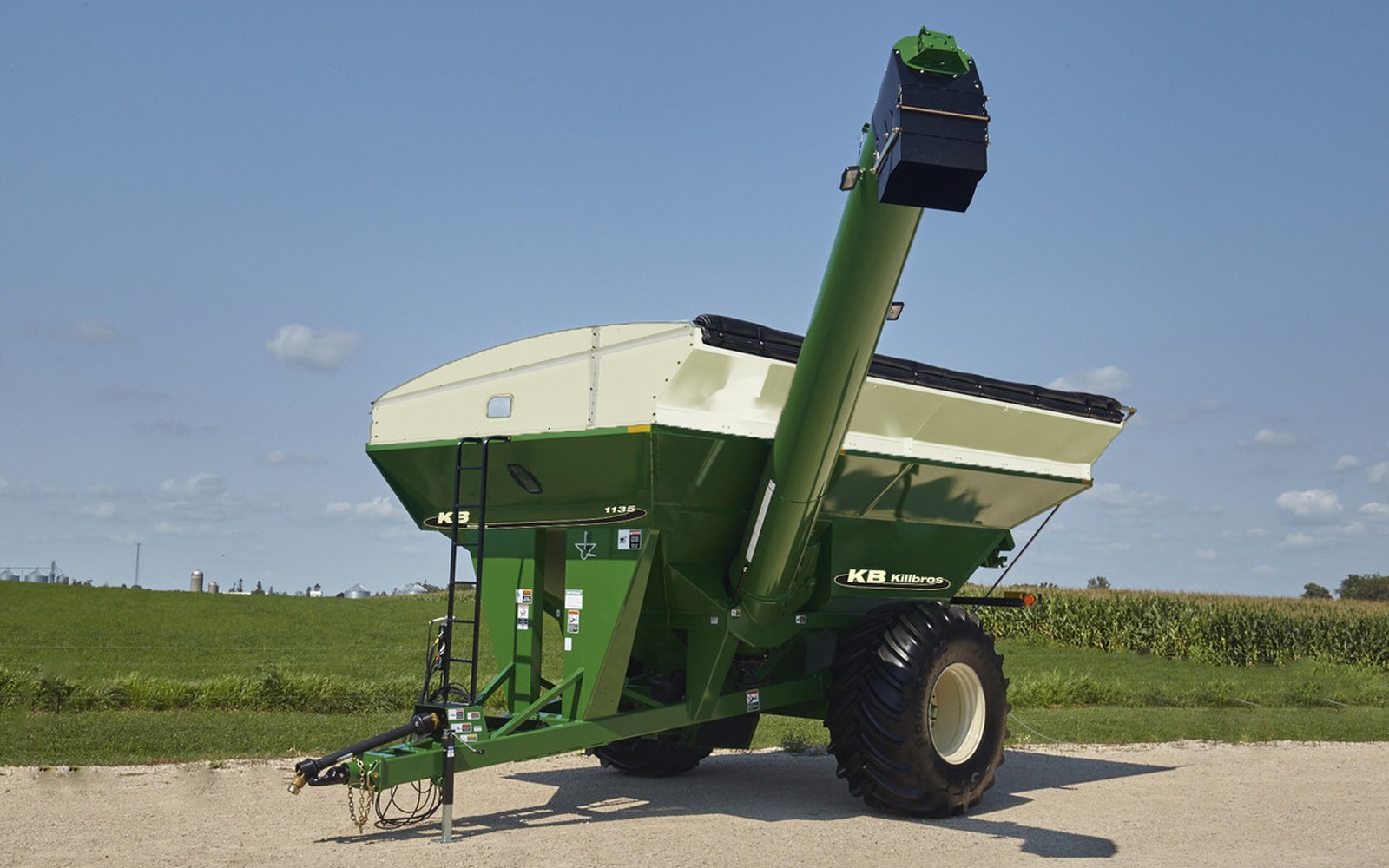
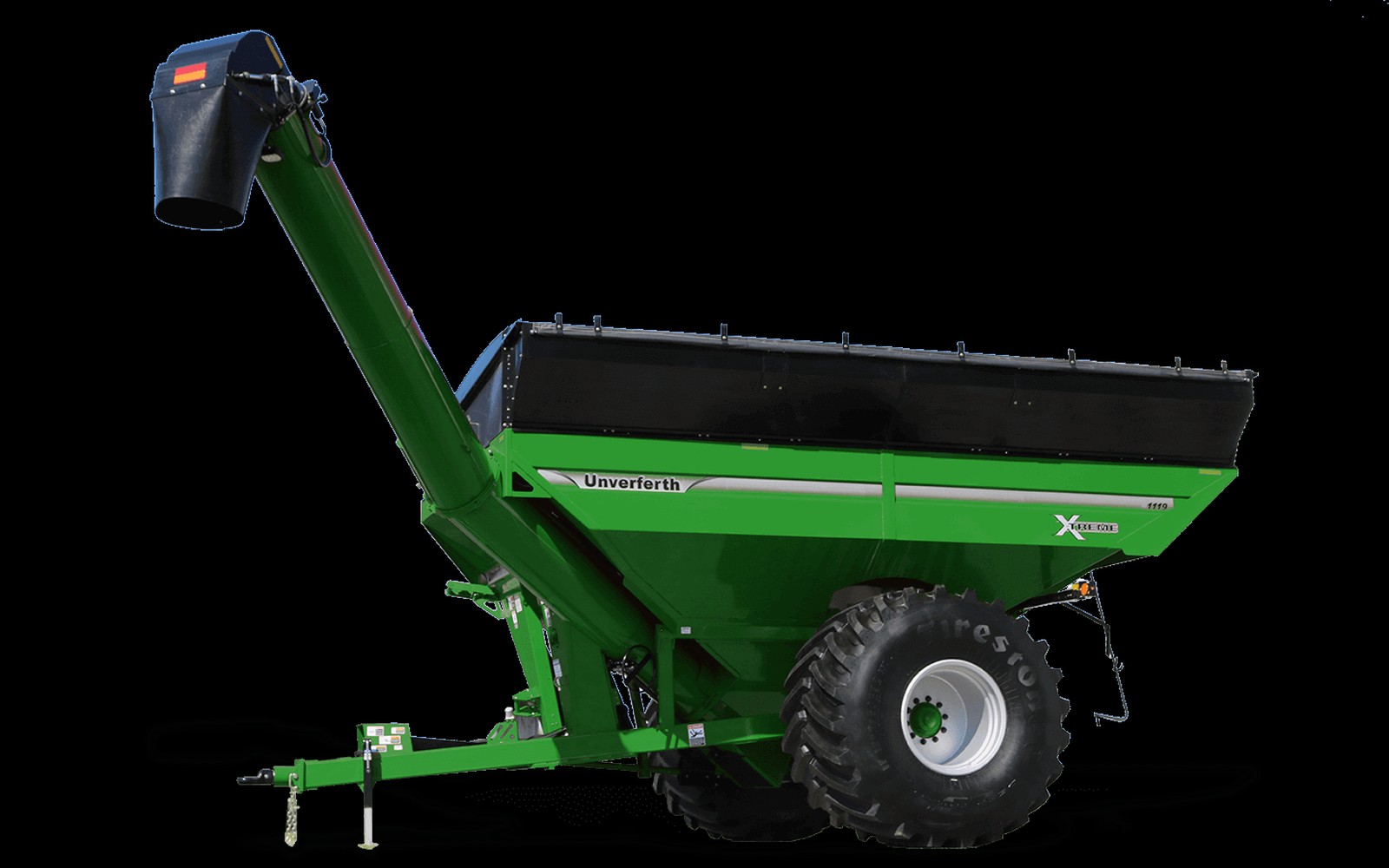
Grain Cart Financing
Finance or refinance a grain cart to keep harvest moving without bottlenecks. Streamlined file review to about $400k, seasonal payment.
How Financing Works for Perennial Crop Equipment
The credit application and equipment details drive the process for amounts up to about $400,000. Decisions come back in a few business days and funding follows in one to two weeks. For larger harvester purchases, additional farm financial documentation may be required, but the timeline is not significantly longer for prepared borrowers.
Perennial crop income is seasonal and tied to the harvest and the sale of the crop, which can happen weeks or months after the pick. A seasonal payment structure that puts larger payments in the months following harvest and lighter payments during the growing season is often the right fit for orchard and vineyard operations. Grape growers in California often receive the bulk of their crush income in December through February for a September and October harvest. The financing structure should reflect that calendar.
Section 179 and bonus depreciation treatment for orchard and vineyard equipment is relevant at tax time. We are not tax advisors, but we know the questions to ask so the financing approach works with your accountant's strategy rather than against it.
Growers who own harvest equipment outright and want to pull capital from it for vine replanting, new block development, or operating costs can use a cash-out refinance on that equipment. A well-maintained vineyard harvester or orchard shaker retains value for many years.
Farm Refinance Questions
Yes. When multiple pieces of complementary vineyard equipment are purchased at the same time, we typically look at them as a single transaction. A combined purchase price and equipment list helps us structure the deal cleanly.
A deferred payment start or a seasonal structure that begins payments after your crush income arrives is something we can build. Describe your cash flow calendar and we will design a structure around it. That kind of fit is the point of working with lenders who understand specialty crops.
Less-common brands can be financed as long as there is a verifiable market for the equipment and it has recognizable resale value in the U.S. We may do a bit more due diligence on the equipment value, but the transaction is not automatically excluded.
A cash-out refinance on a machine with remaining value is one of the cleanest ways to access capital for a replant without selling the harvester. We look at the current value of the machine and your credit picture to determine how much we can work with.
B and C credit situations are considered. A bad year in a perennial crop system is understood as a business cycle issue, not necessarily a character issue. We look at current operating picture and equipment resale value alongside the credit history.
Ready to refinance this equipment?
Send the equipment list, payoff details, estimated values, and timing for a direct refinance review.
Refinance
Brands & Models
Copyright © 2026 Farm Equipment Refinance. All Rights Reserved.