Mower & Conditioner Financing
Finance disc mowers, mower-conditioners, and merger units for hay operations. $50k minimum, application-only, seasonal payments available.
The mowing pass sets the drying clock. Cut the hay too thick or too flat and it takes longer to dry and risks heating in the windrow. Cut it right, condition it well, and the baler can follow in 24 to 36 hours on a good drying day. A quality mower-conditioner is the piece of equipment that gives a hay operation control over its timing, and in a business where three days of rain after cutting can turn premium hay into low-grade feed, that control has real cash value. We finance disc mowers and mower-conditioners, from tractor-mounted units for smaller operations to wide-cut front-rear combination systems for commercial hay producers.
Mower-conditioners span a wide price range. A standard pull-type disc mower-conditioner with a 12 to 16-foot cut runs $30,000 to $60,000 new from brands like John Deere, New Holland, Kuhn, or Krone. Front-rear combination mowing systems that allow wider effective cut widths in a single pass run considerably higher. We work with the deals that clear our $50,000 minimum, which covers most serious mowing equipment. The full hay system context is available through our hay and forage equipment page.
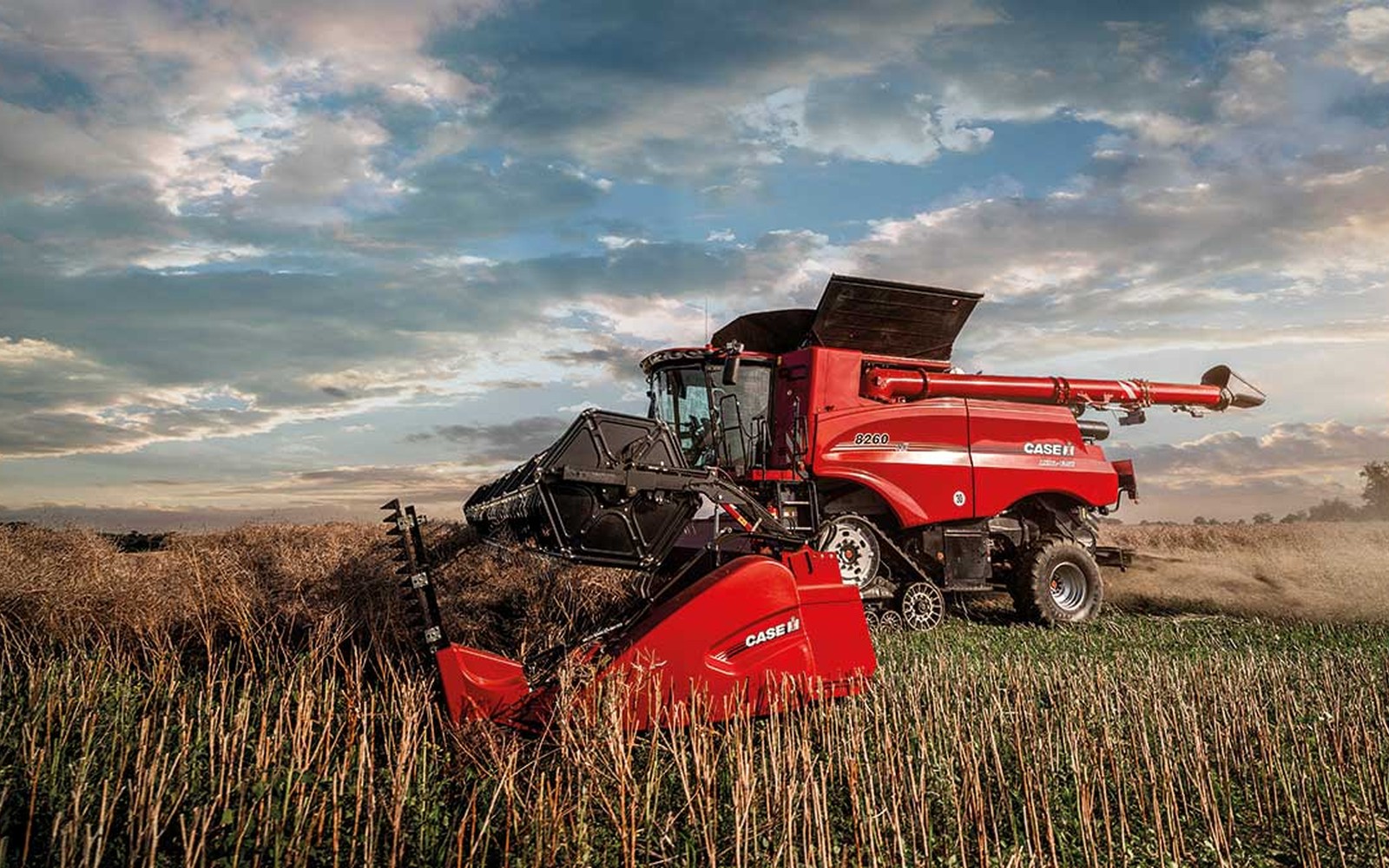
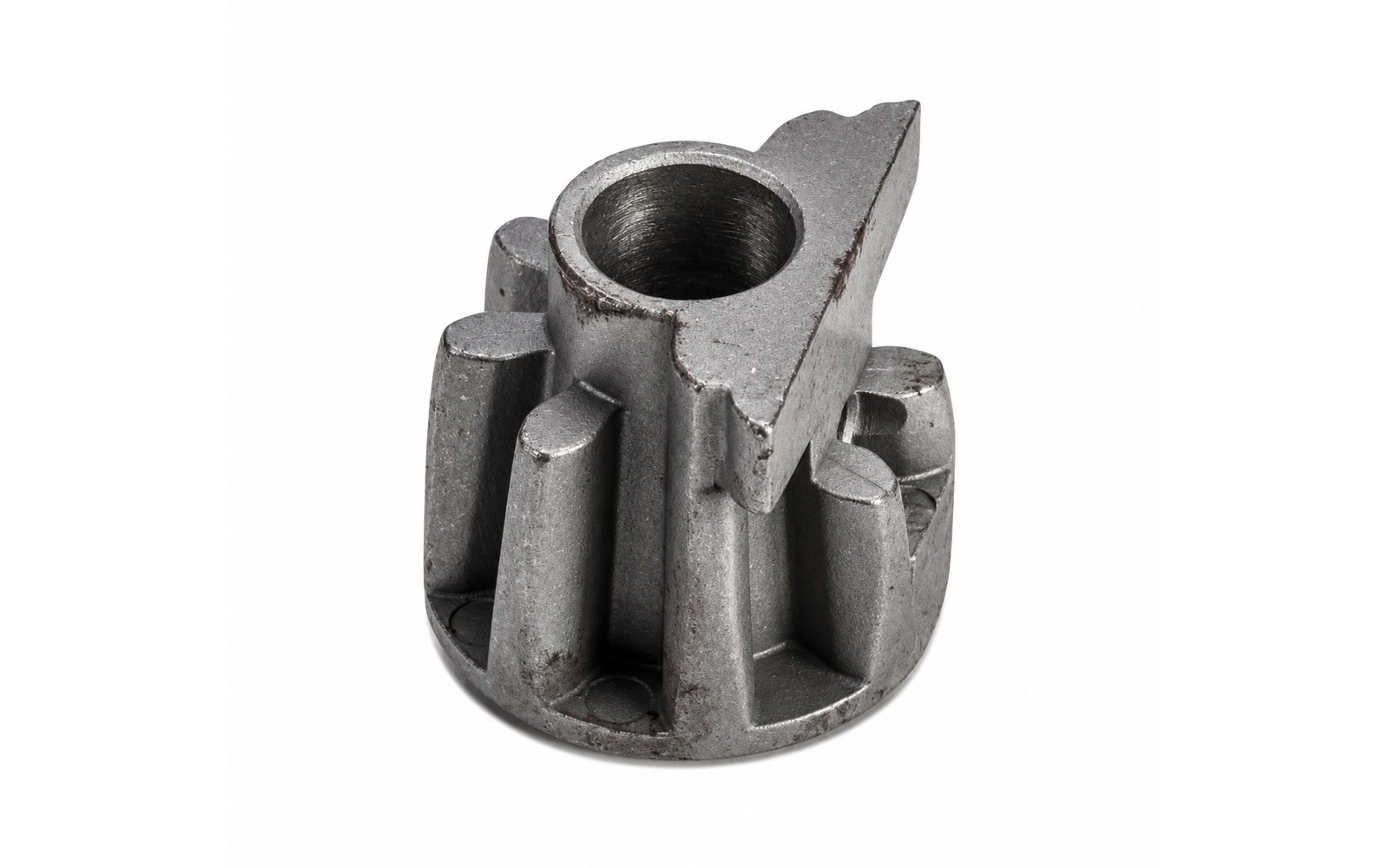

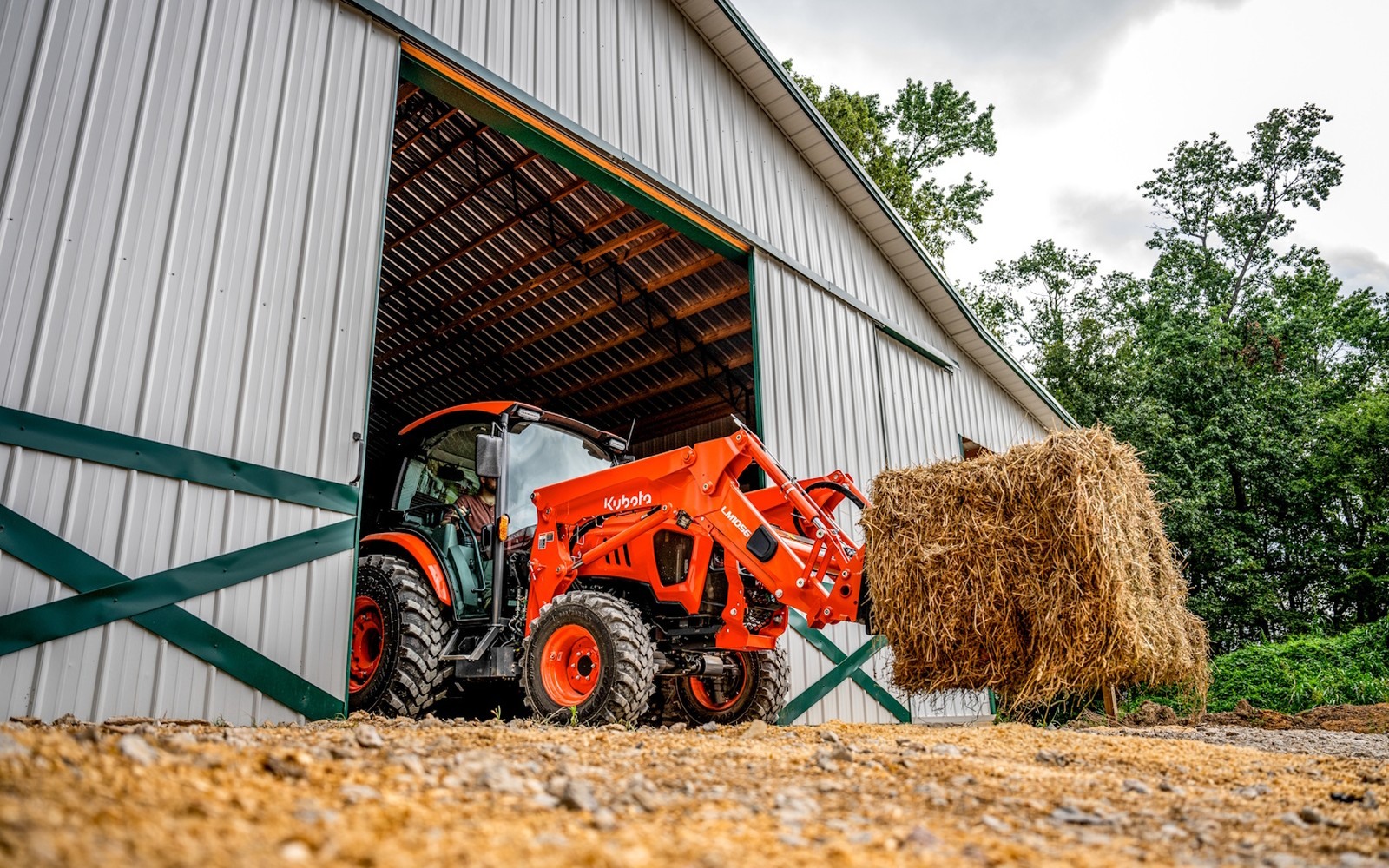
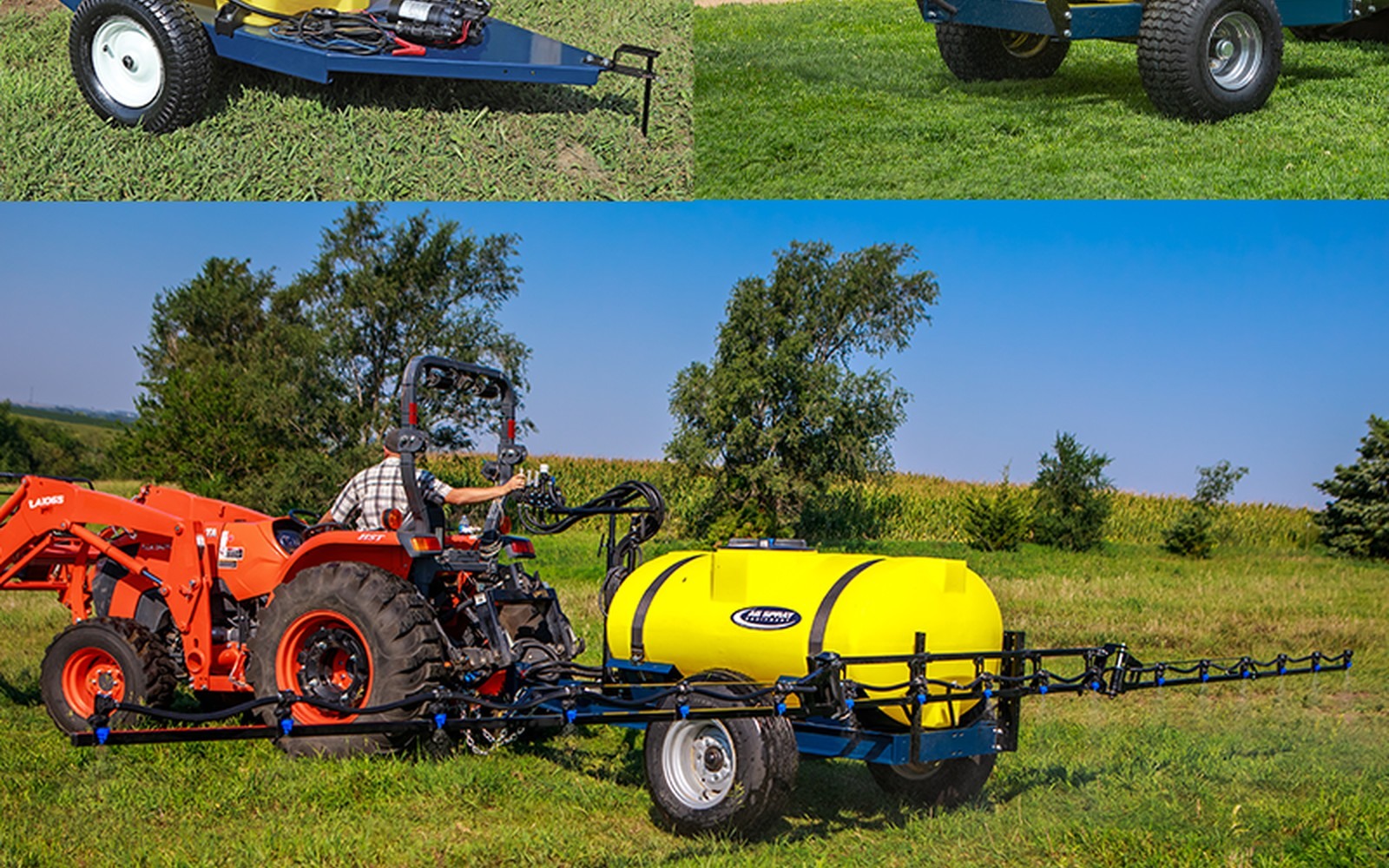
Mower-Conditioners: Value, Wear, and Financing
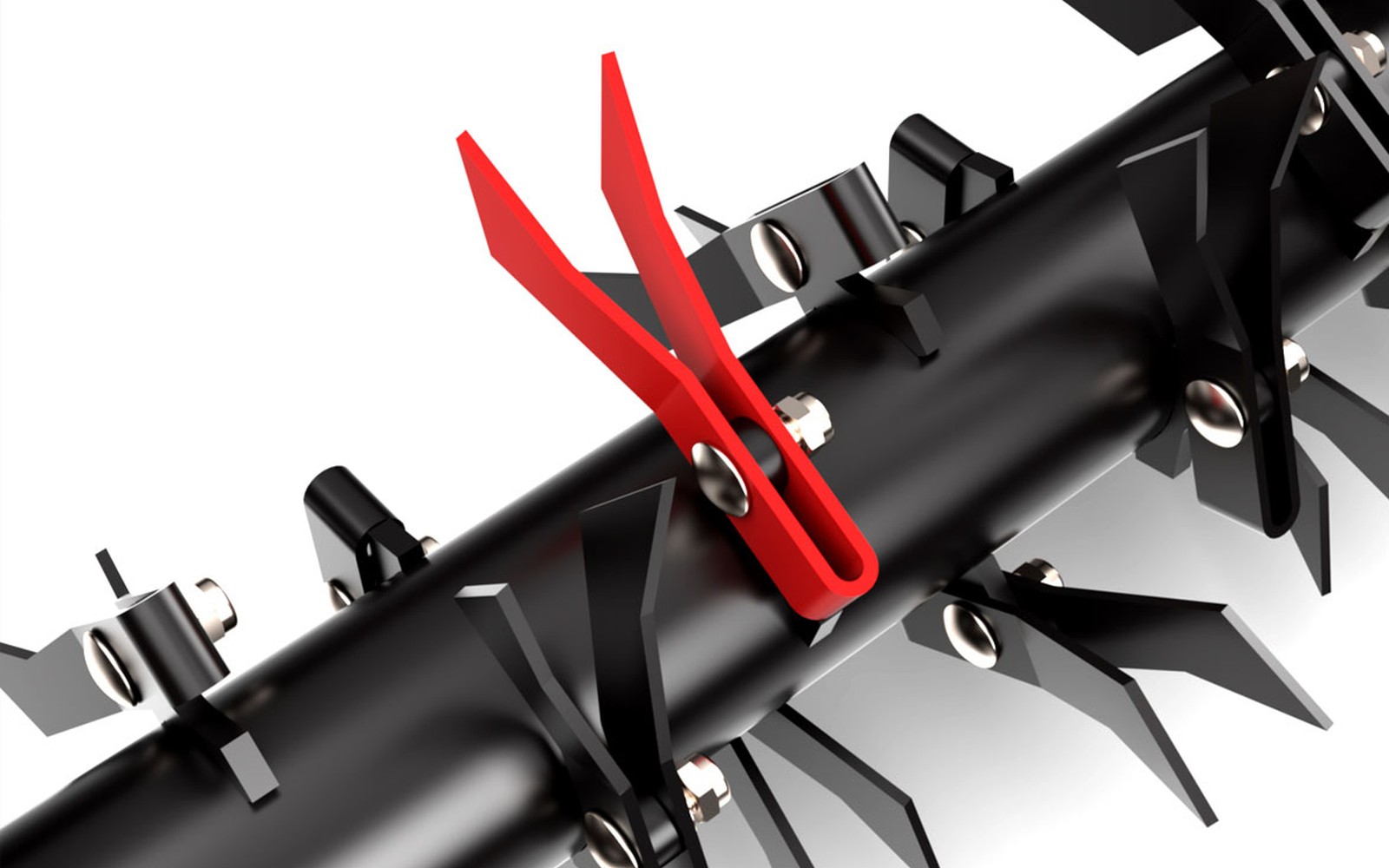
Disc mowers are relatively simple machines with the cutting discs, the conditioning rolls or flail, the header frame, and the drawbar or mounting system being the main components. The conditioning system is the variable that differs most between models: rubber roll conditioners crimp the stem without removing leaf material, while flail conditioners are more aggressive and can work better on thick or coarse-stemmed crops. Each has its place, and the conditioning system type affects a used machine's value in certain hay markets.
Wear items on a mower-conditioner include the disc blades and their mounting bolts, the conditioning rolls, and the gearbox. A machine with fresh blades and rolls is significantly more valuable than the same model with heavily worn components, and the difference in replacement cost is something that affects what we lend against a used unit. If you're buying used, it's worth asking for a service history and recent component inspection.
Commercial hay producers who run front-rear mowing combinations invest more significantly in their mowing capacity. Front-mounted mowers paired with rear-mounted units let a tractor cut a full 20 to 30-foot swath in one pass, which multiplies daily cutting capacity. Those setups can run $80,000 to $120,000 for used combination systems from brands like Kuhn or Krone, which are both active in the mower-conditioner market. Our financing covers those as well as single-unit setups.
Farm Equipment
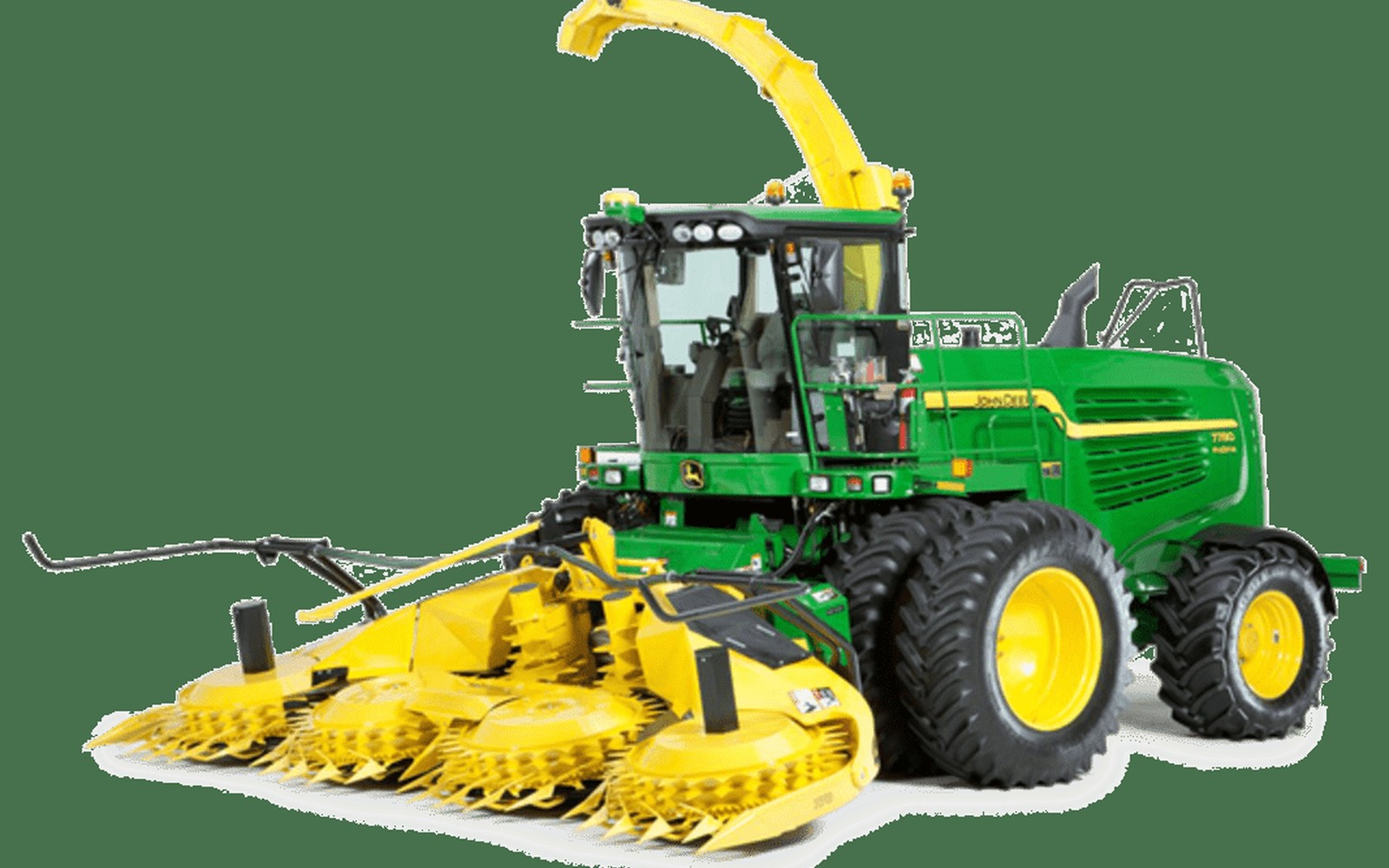
Forage Harvester Financing & Refinancing
Finance or refinance forage harvesters and choppers for dairy and beef operations. Seasonal payment options, fast approvals, B/C credit.
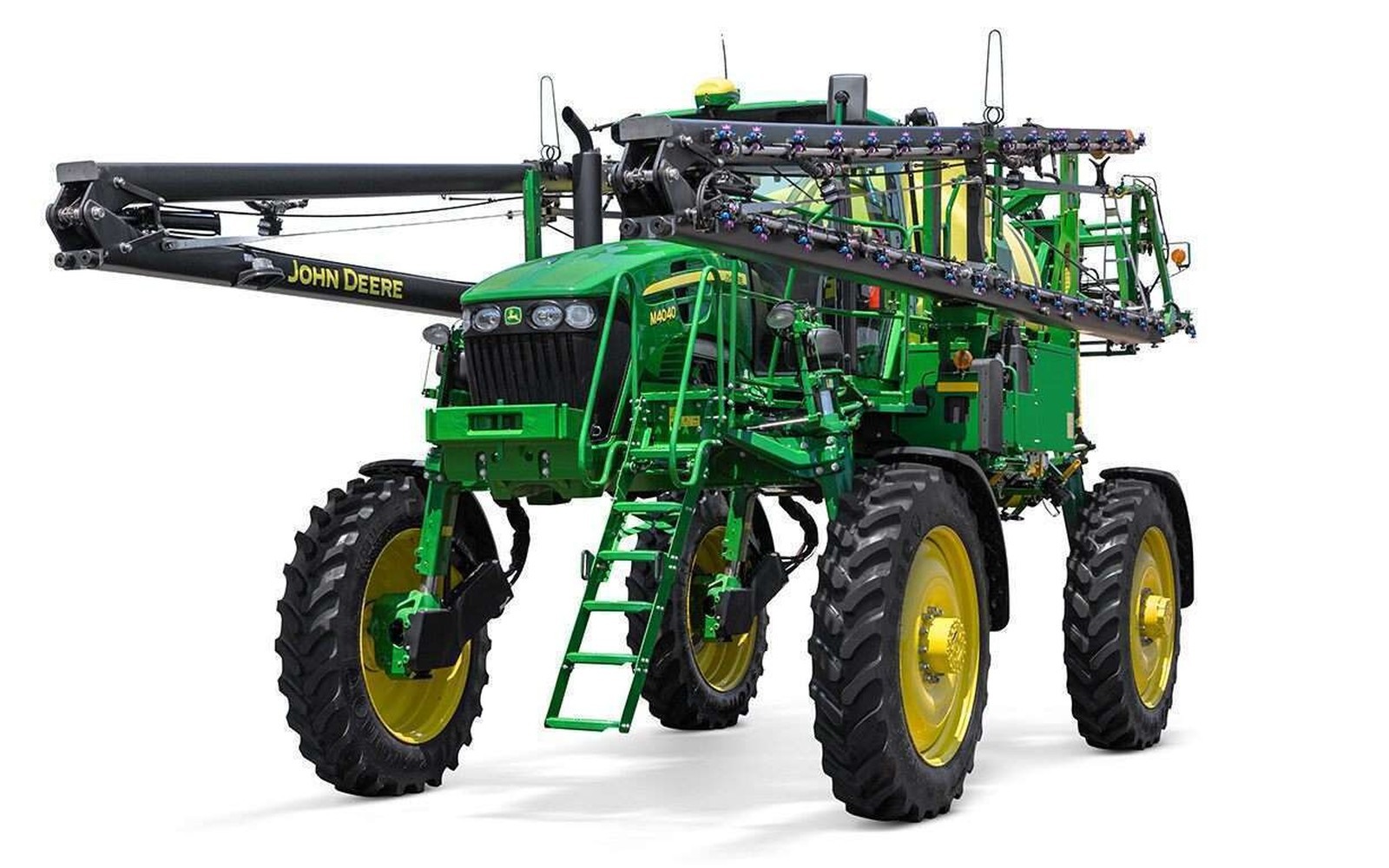
Tillage Equipment Financing & Refinancing
Finance or refinance tillage equipment including chisel plows, vertical tillage, strip-till, and subsoilers. Seasonal payments, fast.
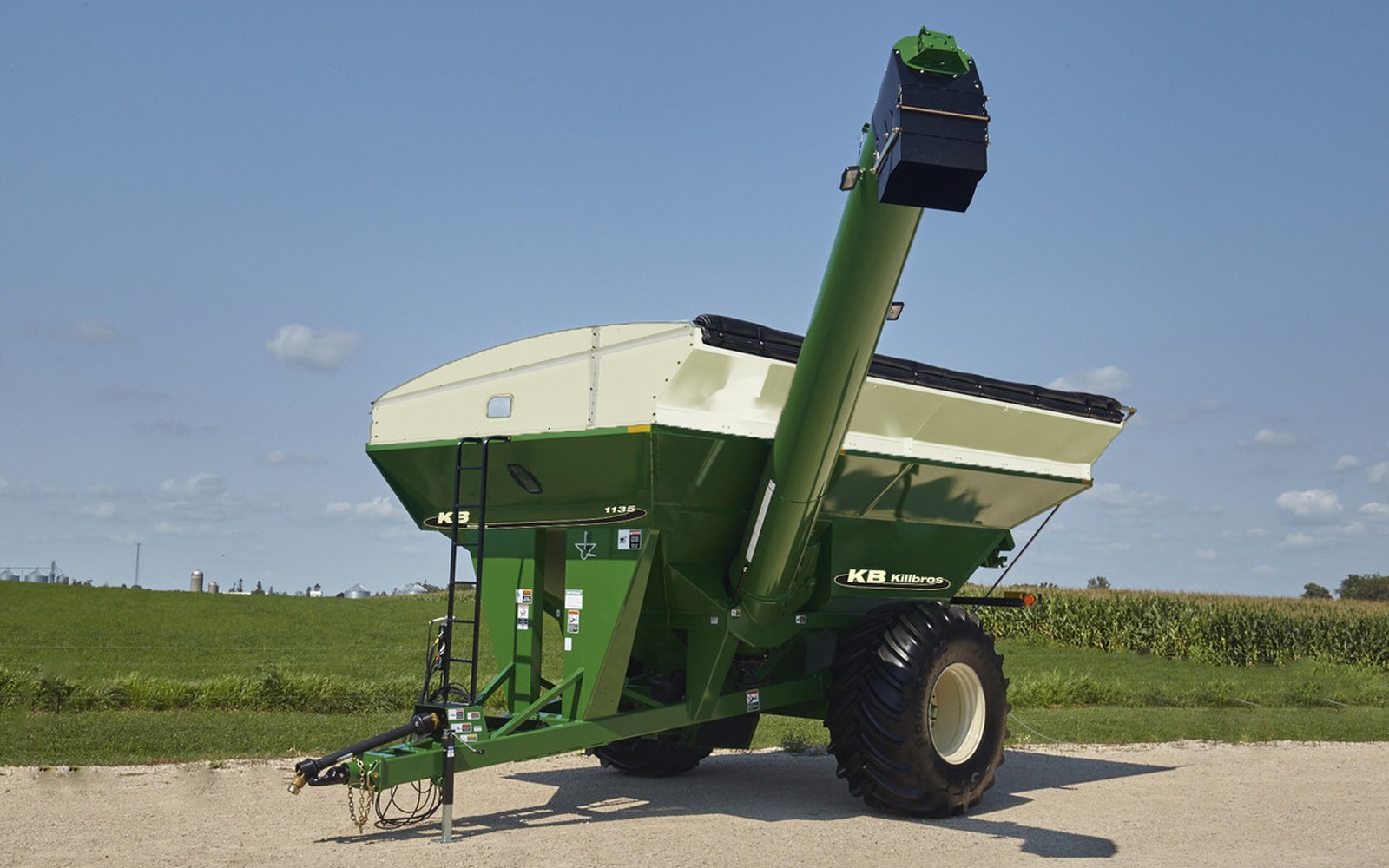
Grain Cart Financing
Finance or refinance a grain cart to keep harvest moving without bottlenecks. Streamlined file review to about $400k, seasonal payment.
Hay Operations That Depend on Their Mowers
Commercial alfalfa producers need mowing capacity that keeps pace with their cutting schedule. Multiple cuttings per year, sometimes four or five in irrigated western hay country, mean the mower is in use through a long season, and downtime during a cutting window is expensive. Hay and forage operations that sell hay commercially are the most active buyers in the commercial mower segment.
Livestock operations that raise their own hay use mower-conditioners for mixed grass hay and hay-haylage. A cattle or dairy operation that takes two or three cuttings per year off its own acreage to cover winter feed needs a mower that's reliable and matched to the volume. Cattle ranches across the Plains and upper Midwest finance mowers as part of their annual hay production setup, and they often buy used machines that fit the job without the price of new commercial equipment.
Dairy farms, particularly those managing their own silage and haylage programs in the upper Midwest, also run mower-conditioners as the first step in a forage harvest sequence. Farms near Madison, WI and through the Wisconsin dairy corridor put their mowers to work on a tight cutting schedule to build silage inventory for year-round feeding.
Farm Refinance Questions
Yes. If you're buying a front mower and rear mower as a matched combination system, we can structure a single transaction for the complete setup. The combined value needs to clear our $50,000 minimum, which most combination systems do comfortably.
A trade-in reduces the net purchase price and therefore reduces what needs to be financed. We'd work from the net amount after the trade credit. Trading through a dealer is the simplest path for that structure.
Multiple cutting events spread income more evenly through the summer than a single hay crop, which actually makes your cash flow more predictable than a once-per-year harvest operation. That generally works in your favor when we're looking at the bank statement pattern.
Private-party mower purchases are workable as long as the machine's value meets our minimum and you can provide basic documentation. Bill of sale and some information about the machine is the starting point.
Merger units and wide-swath rakes that combine windrows for faster baling can be financed if the equipment value meets our minimum. Some operations buy the merger at the same time as the mower and we can look at combining both in a single transaction.
Ready to refinance this equipment?
Send the equipment list, payoff details, estimated values, and timing for a direct refinance review.
Refinance
Brands & Models
Copyright © 2026 Farm Equipment Refinance. All Rights Reserved.