
Farm Equipment Refinancing in Monroe, LA
Monroe and Ouachita Parish producers refinance cotton pickers, soybean combines, tractors, and planters. $50k minimum, B/C credit considered, funding in 1-2.
North Louisiana farming sits at the intersection of the Mississippi alluvial plain and the upland soils that stretch west toward the Ark-La-Tex. Ouachita Parish, where Monroe is the seat, and the parishes surrounding it, Morehouse, Union, Caldwell, Franklin, run a significant mix of cotton, soybeans, corn, and some milo. The equipment that works this ground is large and expensive, and the operators running it are used to tight margins and seasonal cash flow that makes equipment note timing critical.
If you farm in the Monroe area and your equipment has equity in it, that equity can be working harder than it is right now. We refinance farm equipment for north Louisiana producers, resetting notes to lower monthly payments, pulling cash out of paid-down machines, and structuring Sale-Leaseback Farm Equipment that convert equipment value to operating capital. The minimum is $50,000, and we regularly handle deals of $100,000 to $150,000 and above. We fund on a completed-file timeline from a complete application, and we work with B/C credit situations that conventional lenders would not touch.




North Louisiana Agriculture Around Ouachita Parish
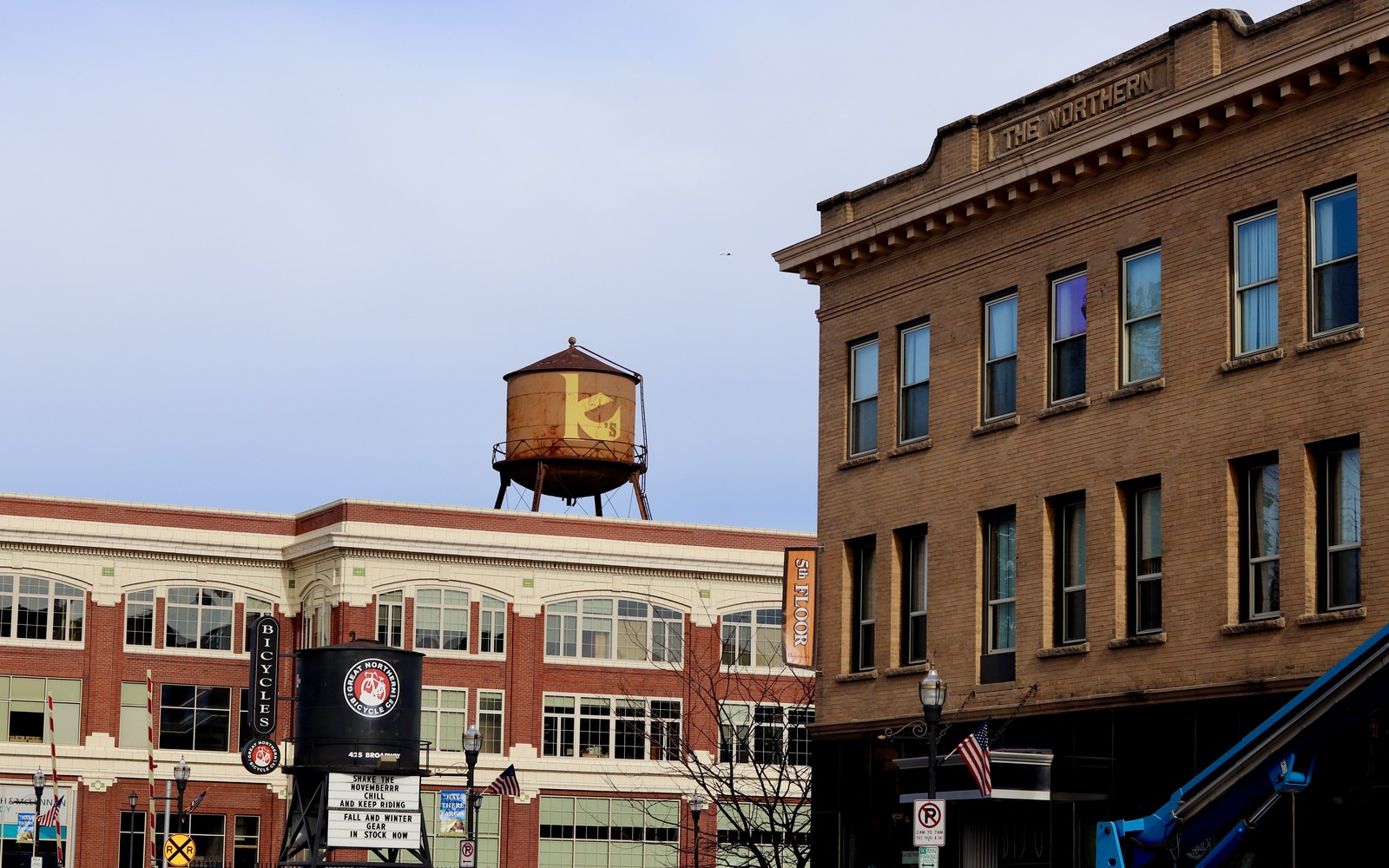
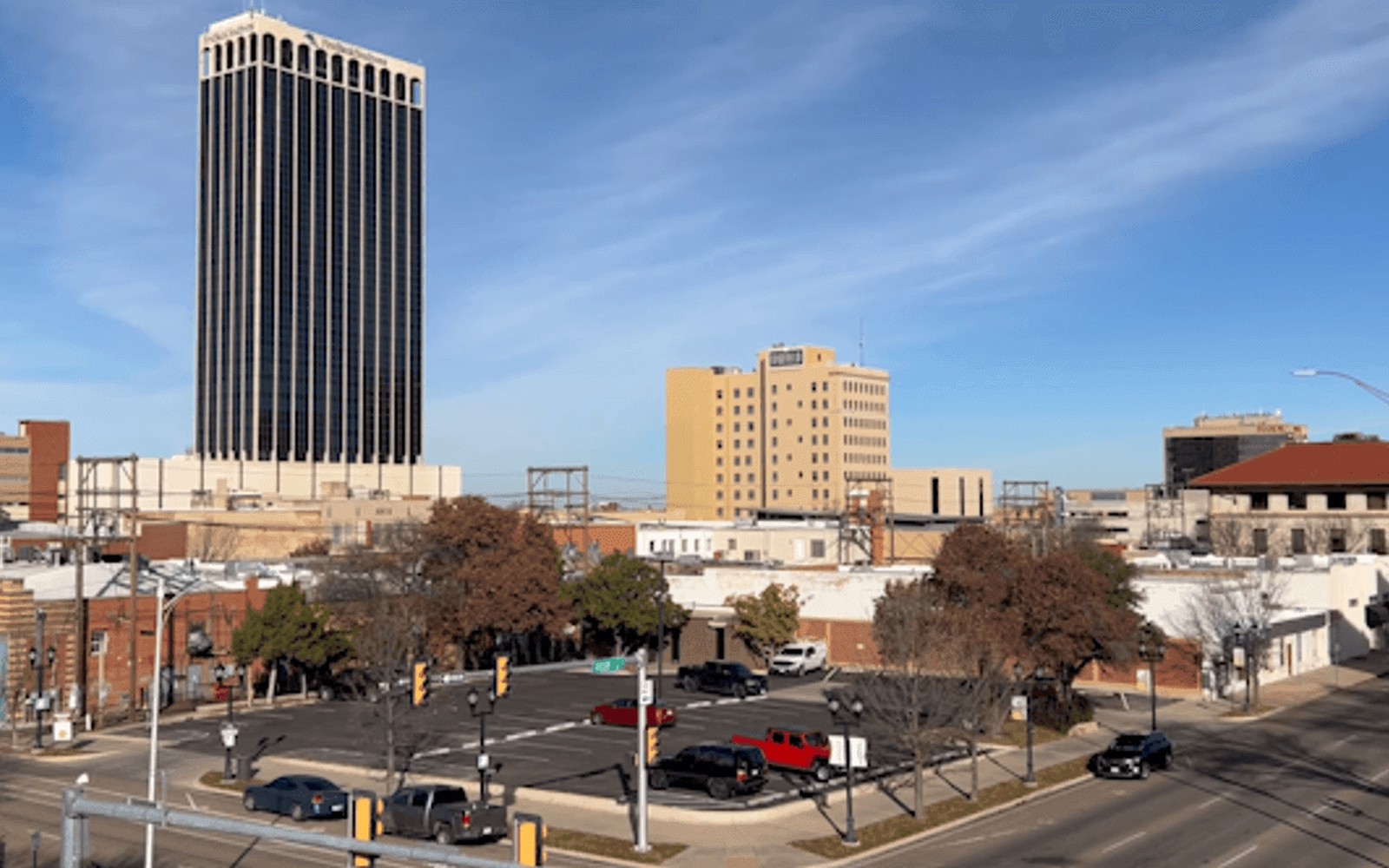
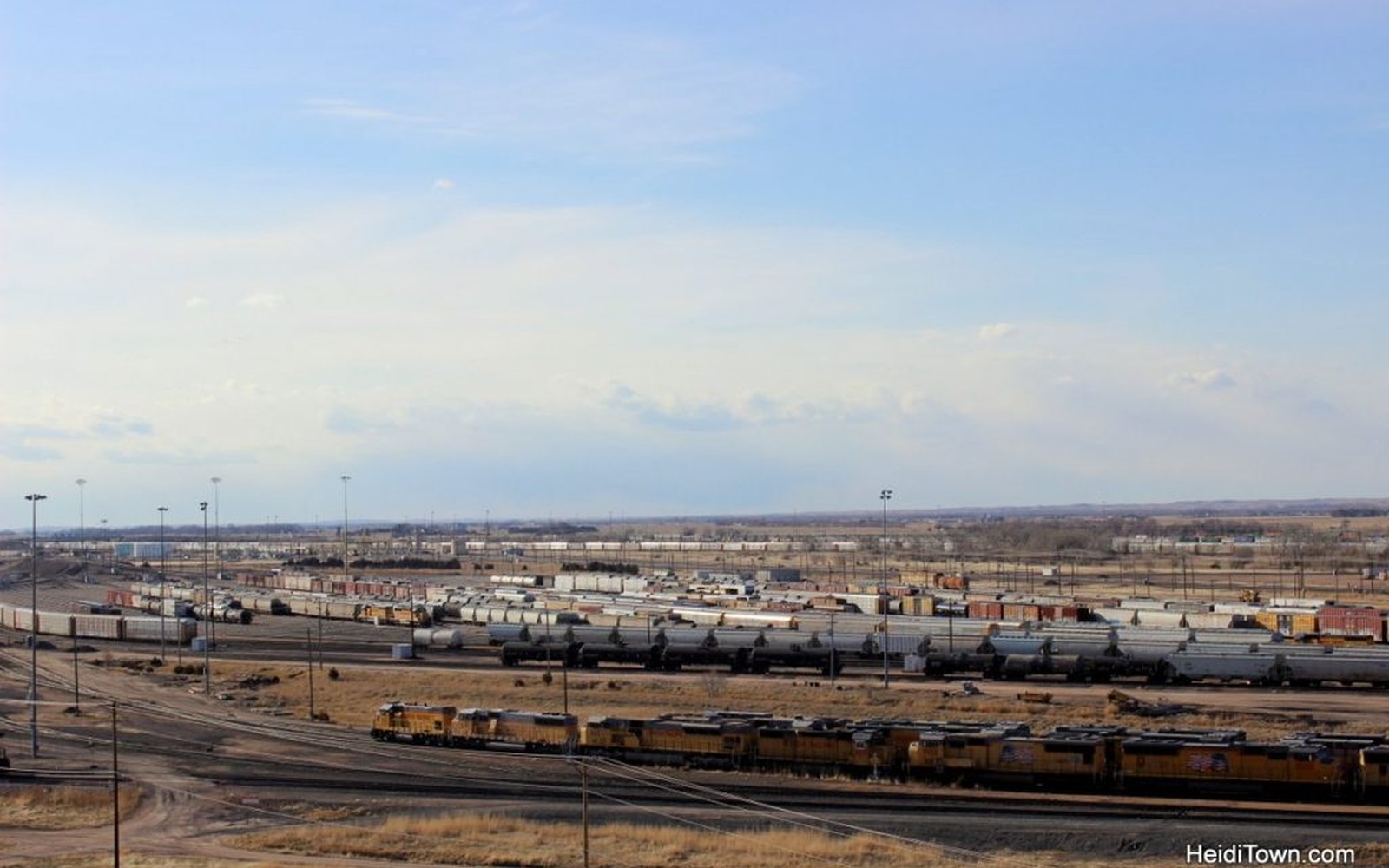
The parishes north and east of Monroe sit on the edge of the Mississippi River alluvial plain, some of the most fertile land in the state. Morehouse and West Carroll parishes in particular produce heavy cotton and soybean acreage. Franklin, Caldwell, and Ouachita parishes blend the alluvial bottomland with the upland ridges that run toward Arkansas, and the crop mix shifts accordingly. Some operators here farm both the rich bottoms and the higher sandy ground, running equipment suited to both.
Cotton has come back to north Louisiana in a meaningful way in recent years as the economics of alternatives have shifted. Many operations run a cotton-soybean rotation, which means the equipment fleet has to handle both crops. A large row-crop tractor, a cotton picker, a soybean combine, and a planter large enough to be efficient across high-acreage operations. That equipment inventory represents the kind of capital base that supports meaningful refinancing activity.
Soybeans are the other pillar of north Louisiana row-crop production. The flat to gently rolling land in the parishes along the Ouachita River corridor is well-suited to soybean production, and the combines running at harvest are large, capable machines. Corn and soybean operations here often bought equipment during periods of strong grain prices, and some of those notes are now running at higher monthly payments than current commodity economics comfortably support.
Sugar cane country is farther south and west, so the equipment profile around Monroe stays firmly in the cotton-soybean-corn world. That said, some operations also run hay and forage equipment alongside their row-crop fleet, particularly if they have cattle on the property. Cattle and row-crop operations are common in this part of Louisiana, and we look at the full equipment picture across both enterprises.
Farm Markets
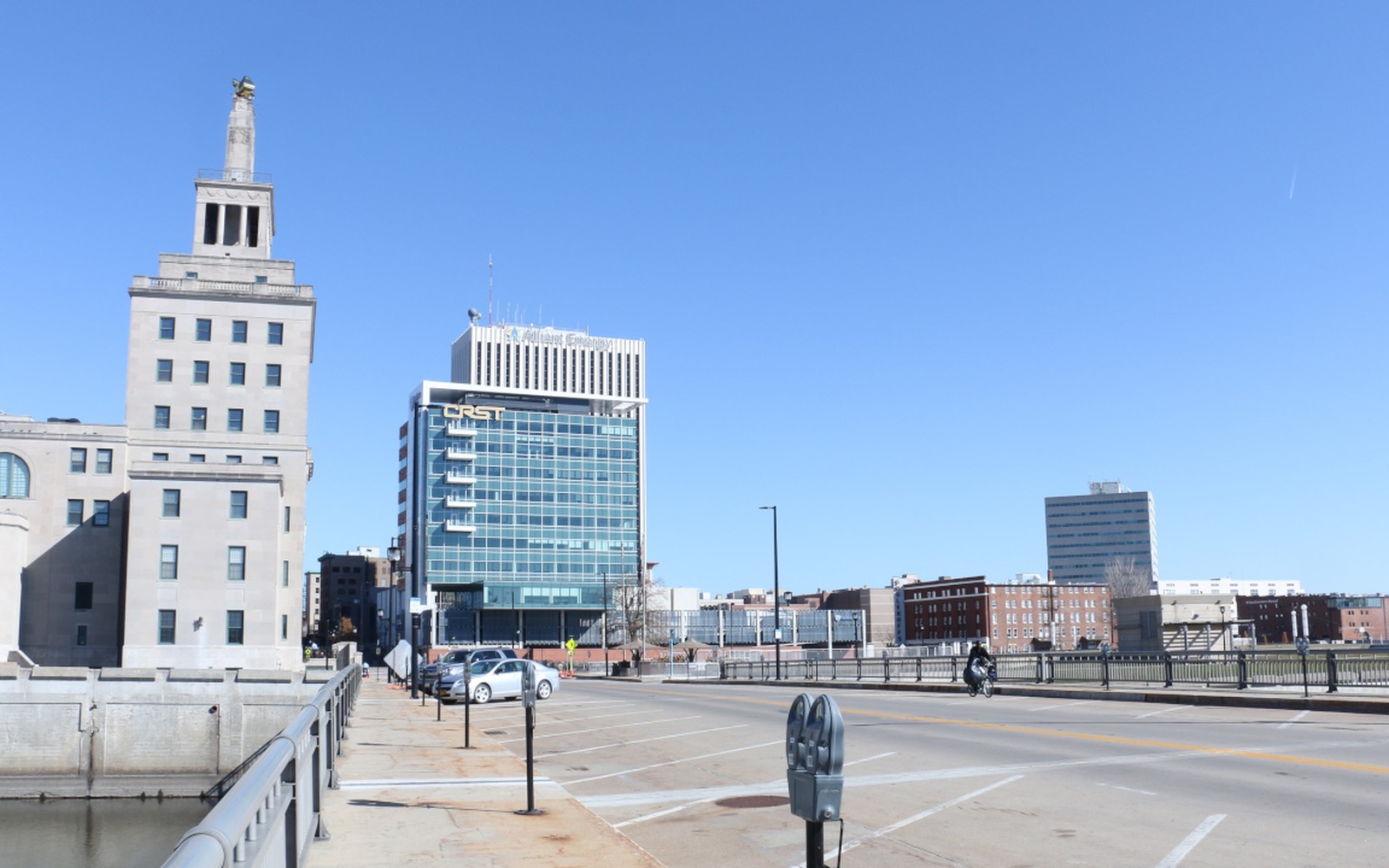
Farm Equipment Financing in Cedar Rapids, IA
Equipment refinancing and purchase financing for Linn County and eastern Iowa farmers near Cedar Rapids. Fast approvals, seasonal payment.

Farm Equipment Financing in Sioux Falls, SD
Farm equipment loans, refinancing, and sale-leaseback for southeast South Dakota grain and livestock operators near Sioux Falls. Minnehaha.
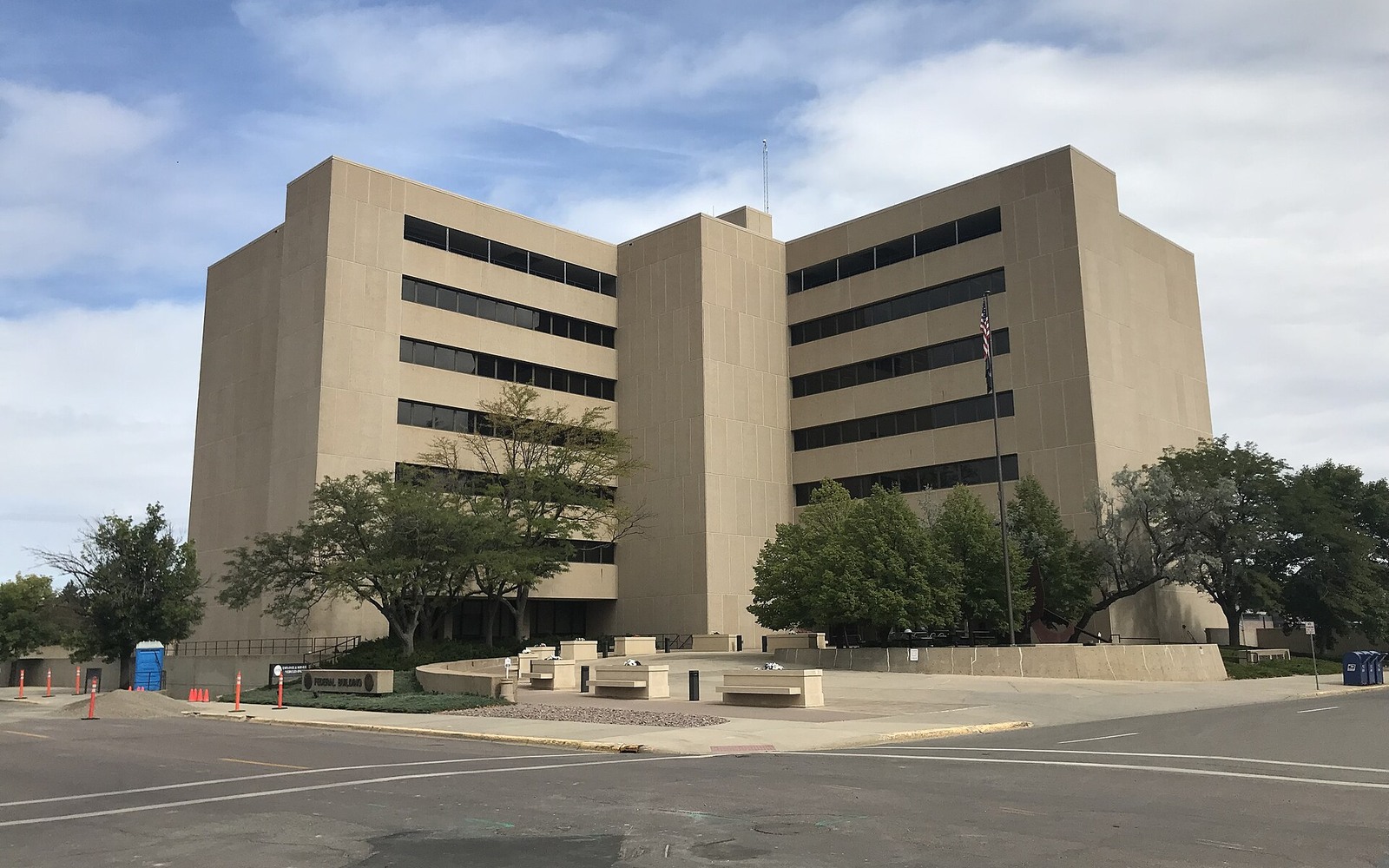
Farm Equipment Financing in Aberdeen, SD
Equipment refinancing, cash-out, and purchase loans for north-central South Dakota grain, sunflower, and cattle operations near Aberdeen.
How a Refinance Works for a North Louisiana Operation
The starting point is what the equipment is worth today and what you owe on it. If the value exceeds the payoff, you have options. A straight refinance pays off the existing lender and gives you a new note with terms that better fit your current situation, whether that means a lower rate, a longer term, or a different payment schedule. A cash-out refinance does the same but pays you the difference between the equipment value and the existing payoff in cash at closing.
For operators who own equipment outright, the cash-out is the full value of the machine, less any closing costs and fees. A cotton picker or large row-crop tractor that has been paid off can generate a meaningful capital injection. That money might cover spring inputs, land rent coming due, or an opportunity to expand acreage without drawing on an ag line of credit.
A sale-leaseback is a variation that works particularly well when the machine is fully paid off and you want the full value rather than a net number. You sell the equipment to us at an agreed value, receive that cash at closing, and lease the machine back for continued use. You keep the machine in the shed and working, but the capital is in your account. At the end of the lease, there is typically a buyout option.
For operations running multiple notes on multiple pieces, we can also look at whether a consolidation approach makes sense. Rolling several equipment notes into a single transaction can simplify monthly cash management and sometimes reduce the total payment obligation.
Farm Refinance Questions
Yes. We can look at both pieces in a single transaction or as separate deals. If both machines carry good value, combining them can streamline the paperwork. We would value each piece individually and build the note around the combined collateral.
Deferred maintenance affects the valuation. We account for condition in how we appraise the machine, so a combine with known issues may support a lower loan amount than a well-maintained comparable. But it does not automatically disqualify the machine. Being upfront about condition issues is always the right approach.
A credit event from years ago in a prior generation or prior management period carries less weight than the current operating picture. We look at who is responsible for the debt now, what the operation looks like today, and whether the proposed note fits the current cash flow. Historical issues in a different era of the operation are context, not a verdict.
Seasonal structures are available on some transactions. The idea is that the payment schedule follows your income pattern, lighter in the spring when cash is tight and heavier in the fall after harvest. Not every lender program offers this, but we can look at whether it fits your transaction.
In a refinance, we pay off the existing lender directly at closing. If there is cash out, the excess goes to you. In a cash-out refinance on equipment you own free and clear, the full amount minus fees goes to you. In a sale-leaseback, the full purchase price goes to you at closing.

Ready to refinance this equipment?
Send the equipment list, payoff details, estimated values, and timing for a direct refinance review.
Refinance
Brands & Models
Copyright © 2026 Farm Equipment Refinance. All Rights Reserved.