
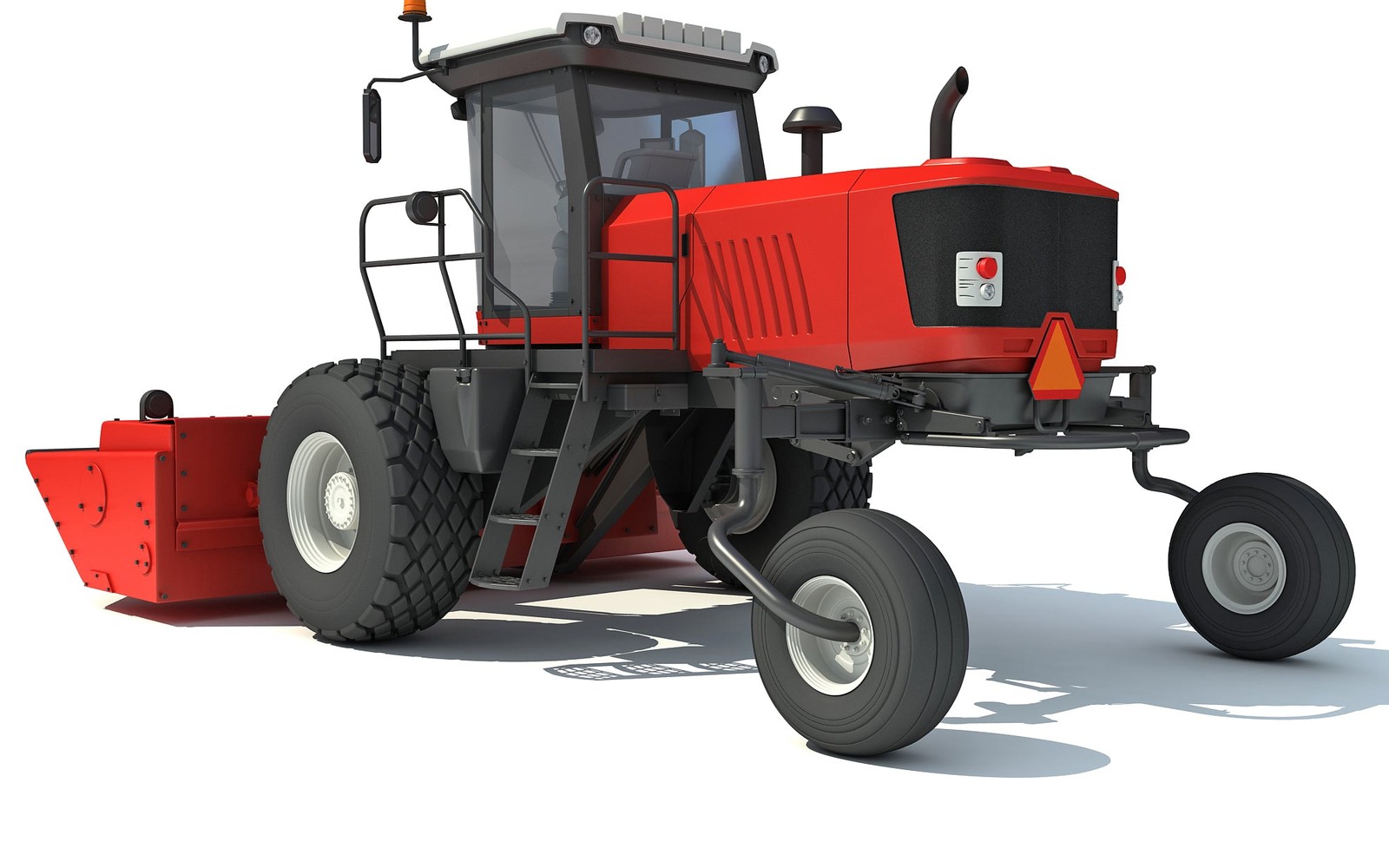
Windrower & Swather Financing
Finance self-propelled windrowers and swathers for hay, alfalfa, and small-grain operations. Seasonal payments, B/C credit welcome, fast funding.
Cutting hay at the right time and laying it in a windrow that dries evenly is where the quality of a hay crop gets made or lost. A self-propelled windrower covers ground fast, handles wide header widths, and puts the crop into a uniform windrow that the baler can pick up cleanly. Swathers and draper-header windrowers are also the tool of choice for swathing small grains to allow even ripening before combining. We finance self-propelled windrowers and pull-type swathers for hay producers, livestock operations, and small-grain farms that swath their wheat, barley, or canola before harvest.
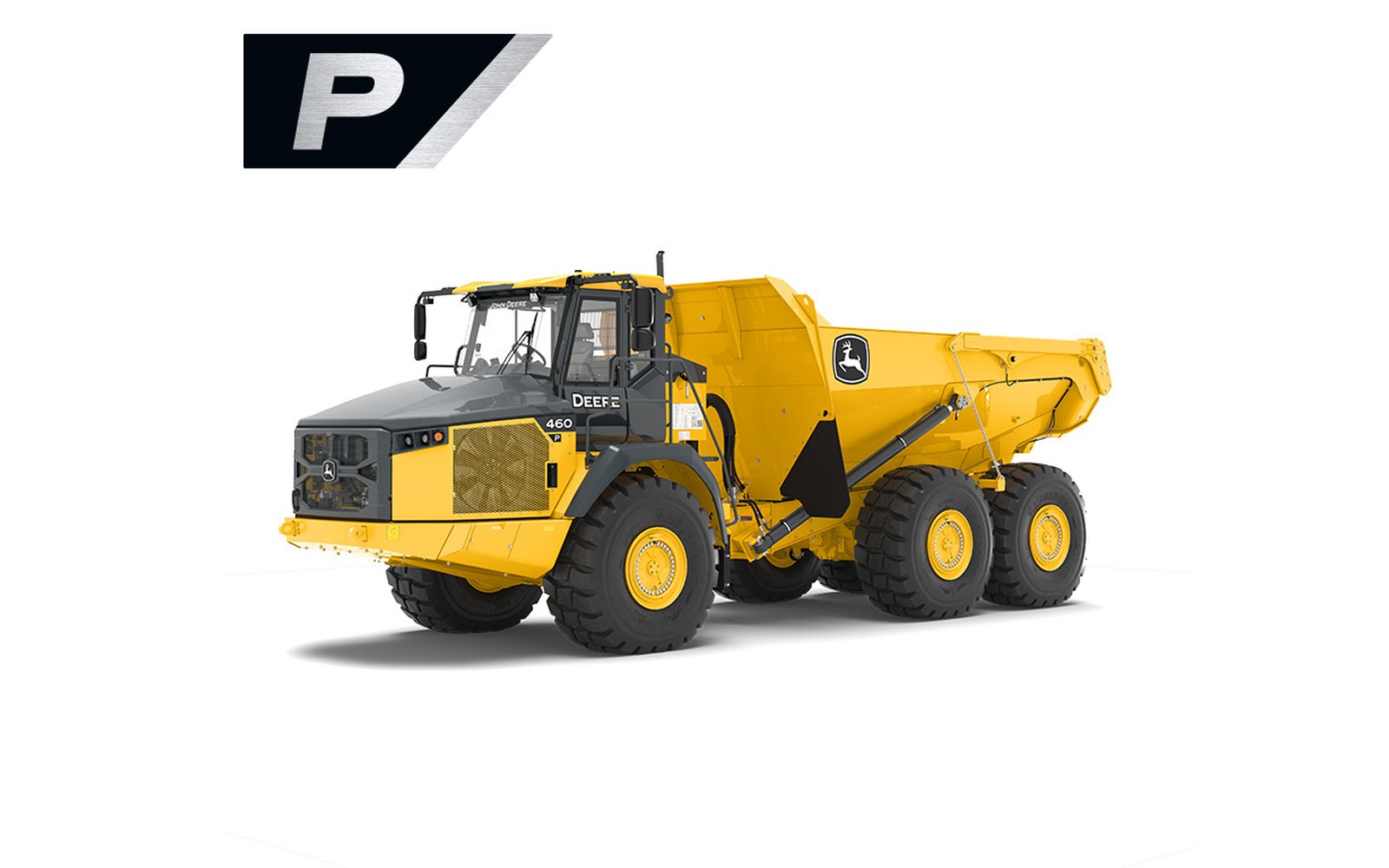
Self-propelled windrowers represent a real capital investment. A new machine from MacDon, New Holland, or John Deere with a wide draper header runs $200,000 to $350,000 depending on cut width and configuration. Late-model used machines in good condition trade from $80,000 to $175,000. Pull-type swathers are considerably less expensive and fall well within the application-only range. We finance both ends of the market, and the income pattern for hay and small-grain operations has seasonal concentration that should inform how the payment schedule is built.

What We Look for in a Windrower
Self-propelled windrowers are mechanically complex machines compared to trailed swathers. The drive system, the header's draper canvas or auger, the conditioning rolls, and the machine's steering and hydraulic system are all items we ask about when evaluating a used unit. Header attachment compatibility matters too, because a MacDon windrower and a New Holland unit may use different header connection systems, affecting the secondary market buyer pool.
Draper headers on windrowers, similar to draper headers on combines, move the crop more smoothly to the conditioning system and tend to produce a more uniform windrow with less bunching. The wide-cut draper format has become standard on most commercial windrowers because of the productivity advantage on large hay acreage. If you're also looking at header financing for your combine, the draper and flex header page covers that category separately.
Conditioning rolls are a major wear component on any windrower. Rubber rolls or steel rolls both wear down over seasons of use, and replacement cost is a factor in evaluating a used machine. We look at conditioning roll condition as part of the overall picture when we're structuring a deal on a used windrower.
Farm Equipment
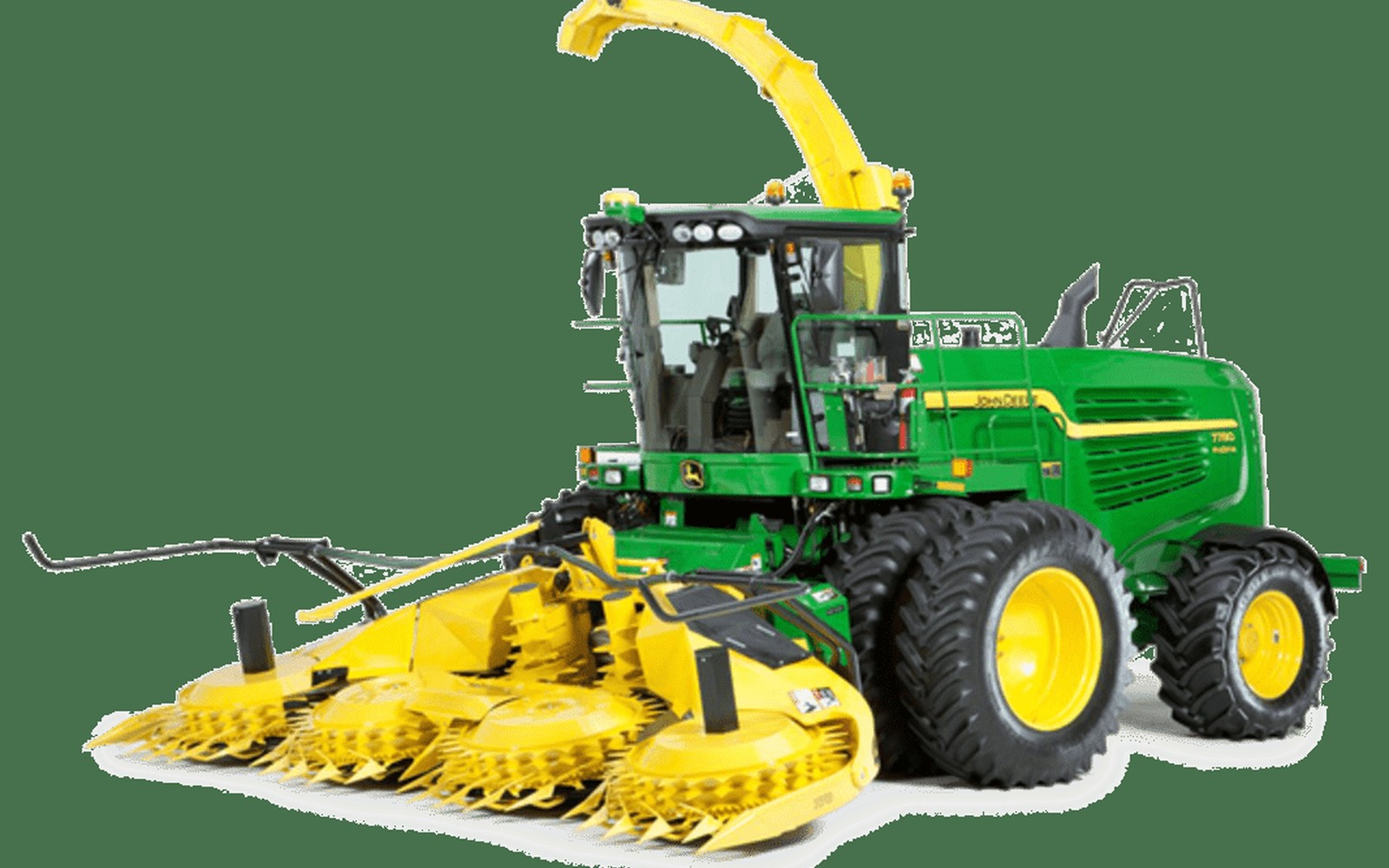
Forage Harvester Financing & Refinancing
Finance or refinance forage harvesters and choppers for dairy and beef operations. Seasonal payment options, fast approvals, B/C credit.
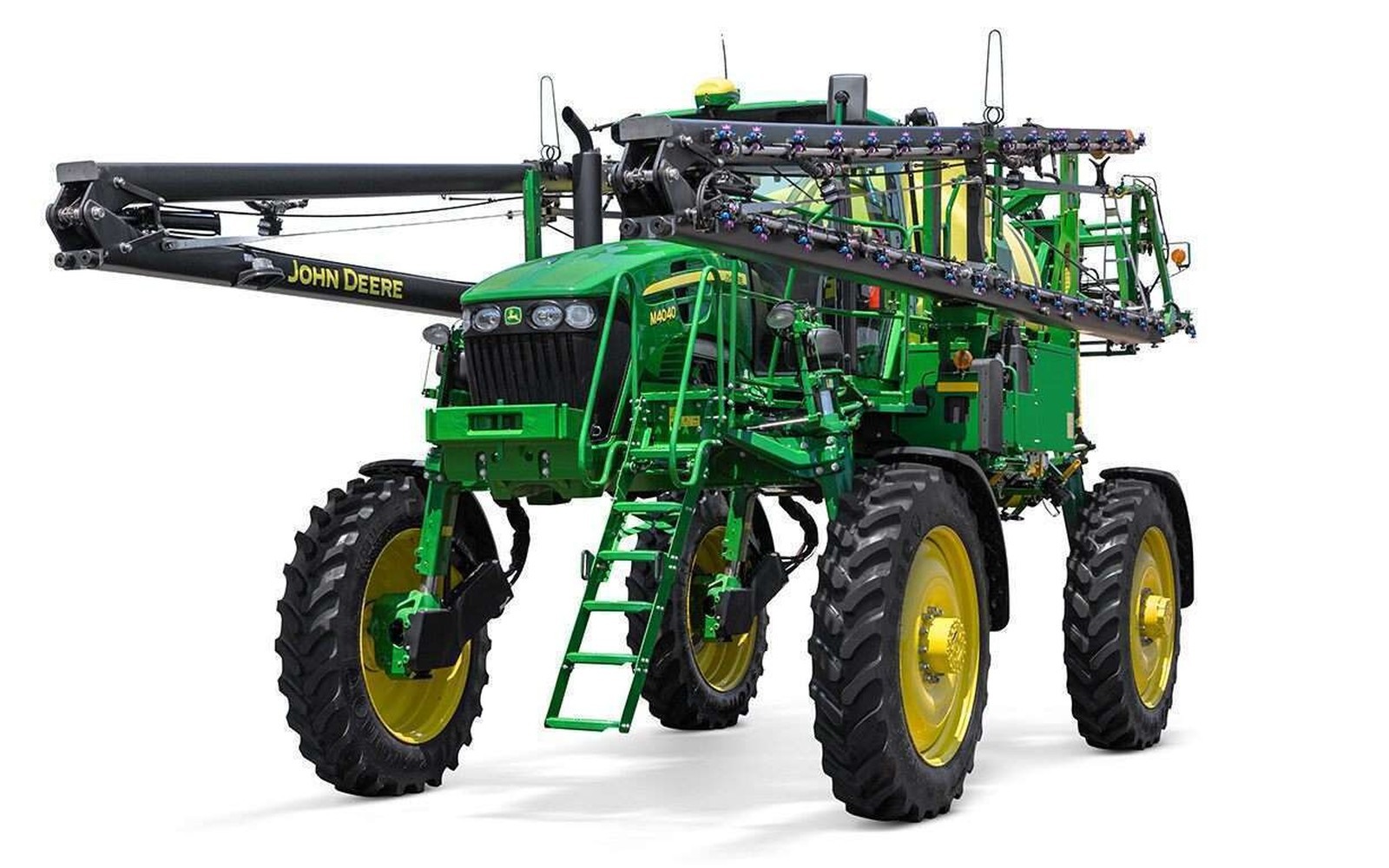
Tillage Equipment Financing & Refinancing
Finance or refinance tillage equipment including chisel plows, vertical tillage, strip-till, and subsoilers. Seasonal payments, fast.
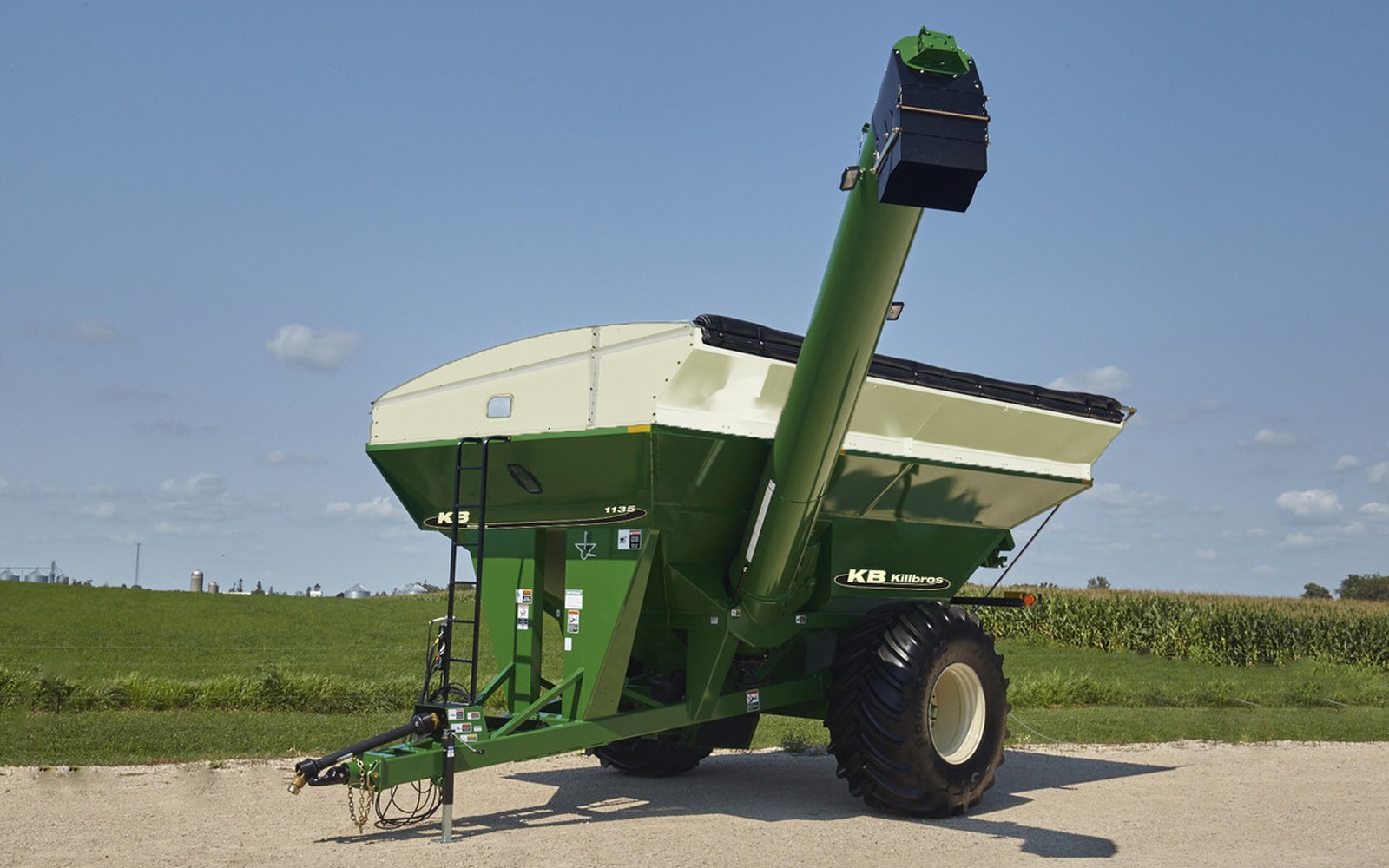
Grain Cart Financing
Finance or refinance a grain cart to keep harvest moving without bottlenecks. Streamlined file review to about $400k, seasonal payment.
Operations That Run Windrowers
Alfalfa hay producers are the most active windrower buyers because the volume and quality demands of alfalfa production make a fast, wide-cut, conditioning machine essential. Commercial alfalfa growers in irrigated areas of the West, including the San Joaquin Valley, the Columbia Basin, and the southern desert valleys, run multiple cuttings per year and need equipment that can keep pace with the production schedule.
Hay operations in the upper Midwest also use windrowers heavily on mixed grass-alfalfa stands. Farms near Willmar, MN and through the hay-producing areas of Minnesota, Wisconsin, and the Dakotas run windrowers on summer cutting schedules that stack multiple cuttings between spring and fall. Those hay and forage operations depend on the windrower to manage the cutting and conditioning efficiently so the baler can follow without a long drying delay.
Small-grain swathing in the northern Plains, particularly for canola and barley, drives another segment of windrower demand. Operations near Grand Forks, ND that grow canola and small grains often swath before combining to achieve more even ripening and reduce grain losses. The swathing window is short and the machine needs to move fast to cover the acres before the swathed crop is at risk from weather.
Farm Refinance Questions
Yes. A straight purchase without a trade is the simpler deal. We look at the machine you're buying, your credit picture, and the operation, not whether you have something to trade.
Multiple cuttings mean more frequent sales events than a single-cut operation. That can mean more consistent cash flow, which works in your favor. We'd look at how the bank statements reflect the cutting and sale pattern to understand the operation's rhythm.
Hours alone don't answer the question. We look at condition, service records, and current market value. A 2,200-hour machine that's been properly maintained and still commands a reasonable market price can support financing on a shorter term.
Yes. That value is above our $50,000 minimum and the application-only process applies. Pull-type swathers are straightforward equipment financing deals with modest documentation requirements.
Yes. Canola swathing is a recognized agricultural use for windrower equipment. The machine's use for small grains and oilseed crops doesn't affect its eligibility for financing.
Ready to refinance this equipment?
Send the equipment list, payoff details, estimated values, and timing for a direct refinance review.
Refinance
Brands & Models
Copyright © 2026 Farm Equipment Refinance. All Rights Reserved.