Farm Equipment Refinancing in Spokane, WA
Spokane and Palouse producers refinance combines, large dryland tractors, air seeders, and sprayers. $50k minimum, B/C credit considered, 1-2 week funding.
The Palouse hills east of Spokane are some of the most productive dryland wheat country in the world. The rolling terrain, deep volcanic soils, and reliable though modest precipitation create conditions that support winter and spring wheat, winter barley, dry peas, lentils, and canola. Operators here tend to farm large acreages with minimal topography-friendly equipment, self-propelled combines that can handle the steep pitches, large air seeders that cover ground efficiently, and tractors heavy enough to work that soil well. The capital in a mid-sized Palouse operation runs into the millions.
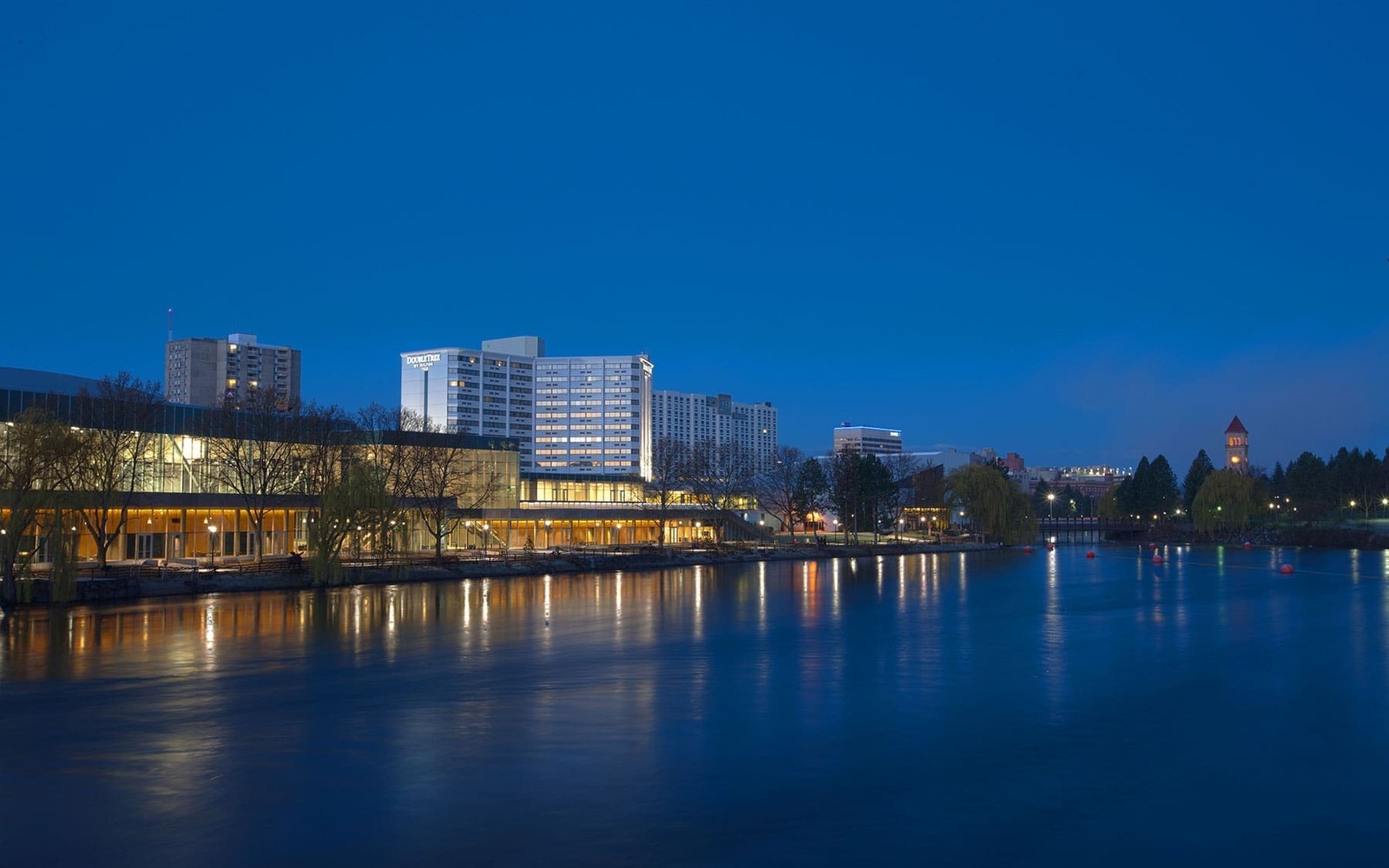
Spokane is the regional hub for this farming community. Equipment dealers, grain elevators, crop insurance agents, and lenders all maintain a presence here because the agricultural production zone that relies on this city is enormous, stretching from the Columbia Basin west of Spokane into the Palouse to the east and southeast, and across the Washington-Idaho line into Whitman and Latah counties.
If you farm in the Spokane corridor and your equipment has equity in it, we can help you access that equity through refinancing. We handle straight note resets, cash-out refinances, and sale-leaseback arrangements, starting at $50,000, with most deals running $100,000 and above. We consider B/C credit and fund on a completed-file timeline from a complete application.



The Palouse and Columbia Basin Farm Economy
Spokane County and the counties to the east and south, Whitman in Washington and Latah in Idaho, make up the core of the Palouse dryland production zone. Winter wheat is the dominant crop, planted in early fall and harvested the following summer. Spring wheat, barley, dry peas, lentils, and canola fill out the rotations. The Columbia Basin to the west of Spokane is a different story, with irrigated production covering potatoes, corn, alfalfa, onions, and other high-value crops supported by center-pivot systems fed from the Columbia River irrigation project.
Palouse dryland farming tends to run on large acreage with relatively modest input costs compared to the irrigated basin, but the equipment investment is substantial. Combines designed to work steep Palouse hillsides, air seeders with large seed and fertilizer capacity, and tractors capable of pulling through deep, sticky soil in wet springs are the core capital items. A Palouse combine outfit with a header and a cart can easily represent $500,000 to $1 million in iron.
Wheat and small grain operations in the Palouse typically have one major revenue event per year, harvest in July and August. The cash from wheat comes in, the operating line gets paid down, and then inputs for the fall planting season go out almost immediately. Equipment payments running through the winter and spring draw against that grain money, and the timing can get tight.
The Columbia Basin irrigated operations have a more complex cash-flow picture because they grow multiple crops with different harvest and payment timelines. Potato producers in particular run capital-intensive operations with specialized harvesting and storage equipment. Potato harvesting equipment is eligible collateral and we have evaluated it in the Pacific Northwest before.
Farm Markets
Farm Equipment Financing in Cedar Rapids, IA
Equipment refinancing and purchase financing for Linn County and eastern Iowa farmers near Cedar Rapids. Fast approvals, seasonal payment.
Farm Equipment Financing in Sioux Falls, SD
Farm equipment loans, refinancing, and sale-leaseback for southeast South Dakota grain and livestock operators near Sioux Falls. Minnehaha.
Farm Equipment Financing in Aberdeen, SD
Equipment refinancing, cash-out, and purchase loans for north-central South Dakota grain, sunflower, and cattle operations near Aberdeen.
Equipment That Qualifies in the Spokane Region
The most common collateral we see from Washington dryland producers includes large row-crop and 4WD tractors, self-propelled combines with hillside leveling systems, air seeders and drills suited for the seeding rates and depths Palouse crops require, pull-behind and self-propelled sprayers, and grain carts. All of these are standard eligible collateral, new or used.
Hillside combines with active header control and lateral tilt systems carry a premium over standard flat-ground machines because they are specifically designed for the Palouse terrain. That regional specificity affects the resale market: a hillside combine commands buyers in the Pacific Northwest in a way it does not elsewhere, and our valuation reflects that regional market rather than a national guide book number.
For Columbia Basin irrigated operations, the equipment list expands to include center-pivot systems, potato harvesters and equipment, onion equipment, and the tractors and tillage machines that work heavier irrigated soils. Irrigation systems and center pivots are evaluated case by case depending on how they are titled and whether they can be secured as collateral.
Application-only financing up to roughly $400,000 starts with a completed application and three months of bank statements. For larger transactions, additional documentation may be needed, but the process stays cleaner than a full bank underwrite. We make decisions in a few business days from a complete package and fund on a completed-file timeline.
Farm Refinance Questions
A hillside combine with leveling has real regional market value in the Palouse. We look at what comparable machines are actually selling for in the Pacific Northwest rather than using a flat national guide book number. The specialty configuration is an asset in this market, not a liability.
Seasonal payment structures are something we can explore on eligible transactions. A structure that puts lighter or deferred payments in the spring and heavier payments in the fall after harvest is a logical fit for a Palouse dryland operation. We look at whether the specific transaction qualifies for that kind of structure.
Cross-state operations are common in this region and we handle them routinely. Equipment location and titling state matter for documentation purposes, but operating in two states does not disqualify a transaction. We just need clarity on where equipment is titled and where the operation is based.
B/C situations are something we work with. The evaluation focuses on the current operating picture and the equipment's collateral value. A difficult price year that hit the credit report but from which the operation has largely recovered is a situation we can often work through, particularly if the machines support a meaningful loan amount.
Yes. Combining two pieces into a single transaction can simplify the paperwork and is sometimes more efficient for both sides. We would value each machine individually and build the note around the combined collateral. If they do not package well together for some reason, we can always do them as separate deals.

Ready to refinance this equipment?
Send the equipment list, payoff details, estimated values, and timing for a direct refinance review.
Refinance
Brands & Models
Copyright © 2026 Farm Equipment Refinance. All Rights Reserved.